The Real Alcázar of Seville
- When
- Stops1
- Photos15
Where this post goes
The Real Alcázar is the royal palace of Seville, next to the cathedral in the old town. It was my first stop in Seville, after getting in by bus from Madrid the evening before.
It started as a fortress of the Muslim rulers of al-Andalus. After Castile took Seville in 1248, the Christian kings kept building on it. The main palace was built for Pedro I in the 1360s by craftsmen from Granada and Toledo, in the Mudéjar style: Islamic decoration for a Christian king. The royal family still uses the upper floors, which makes it the oldest royal palace in Europe still in use.
It is a UNESCO World Heritage Site, together with the cathedral and the Archivo de Indias. Tickets are timed, so book ahead. Allow at least half a day; the gardens are bigger than the palace.
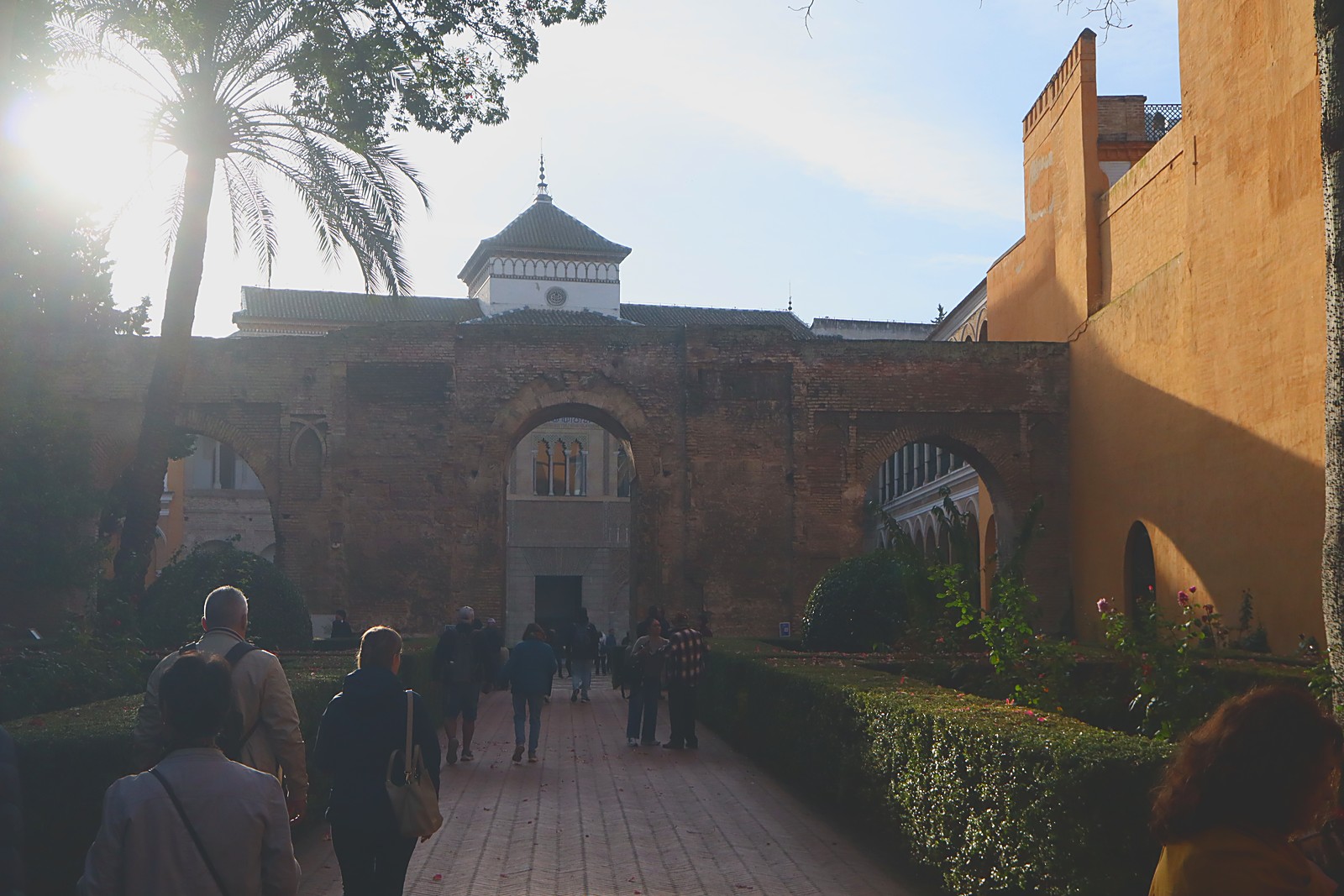
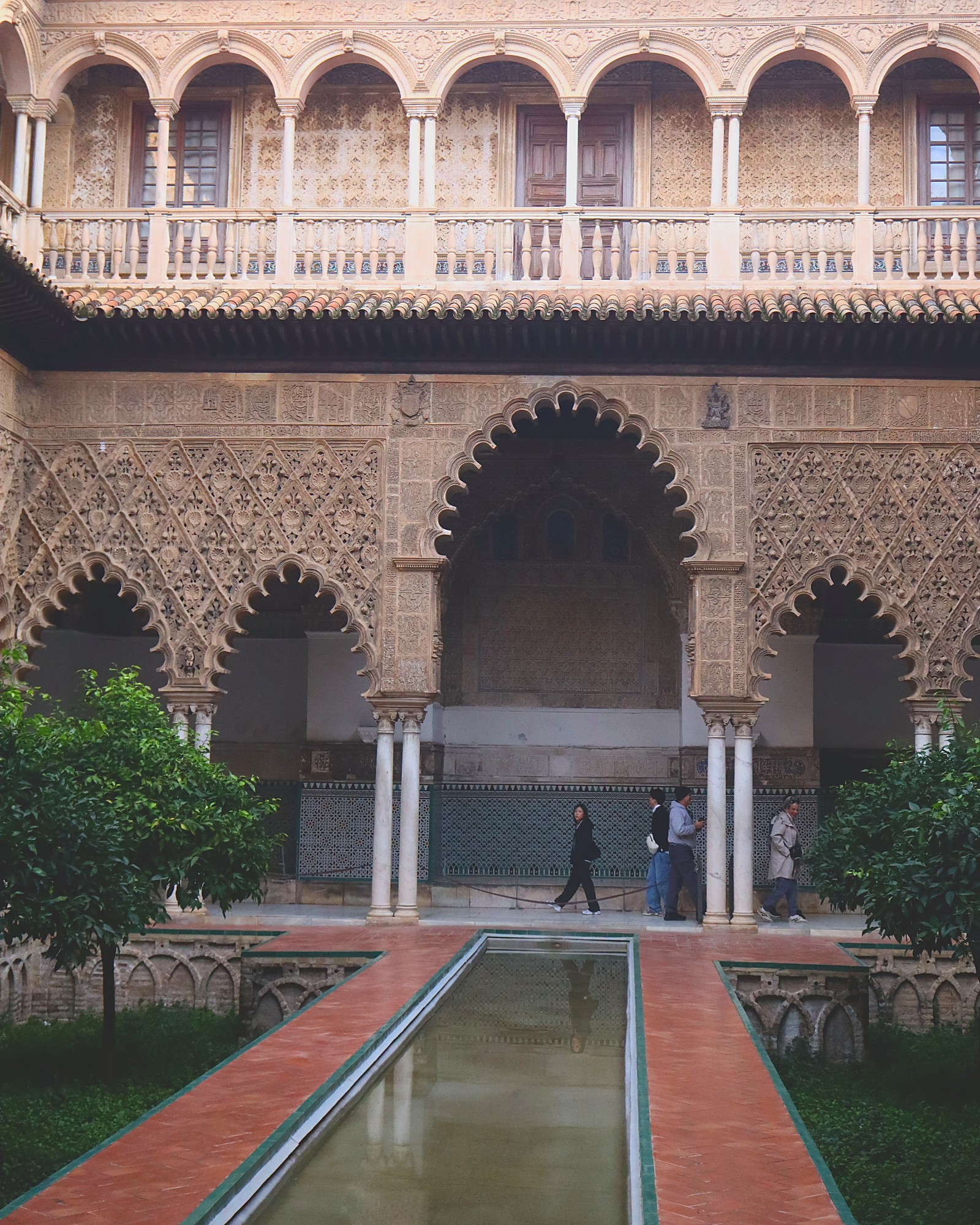
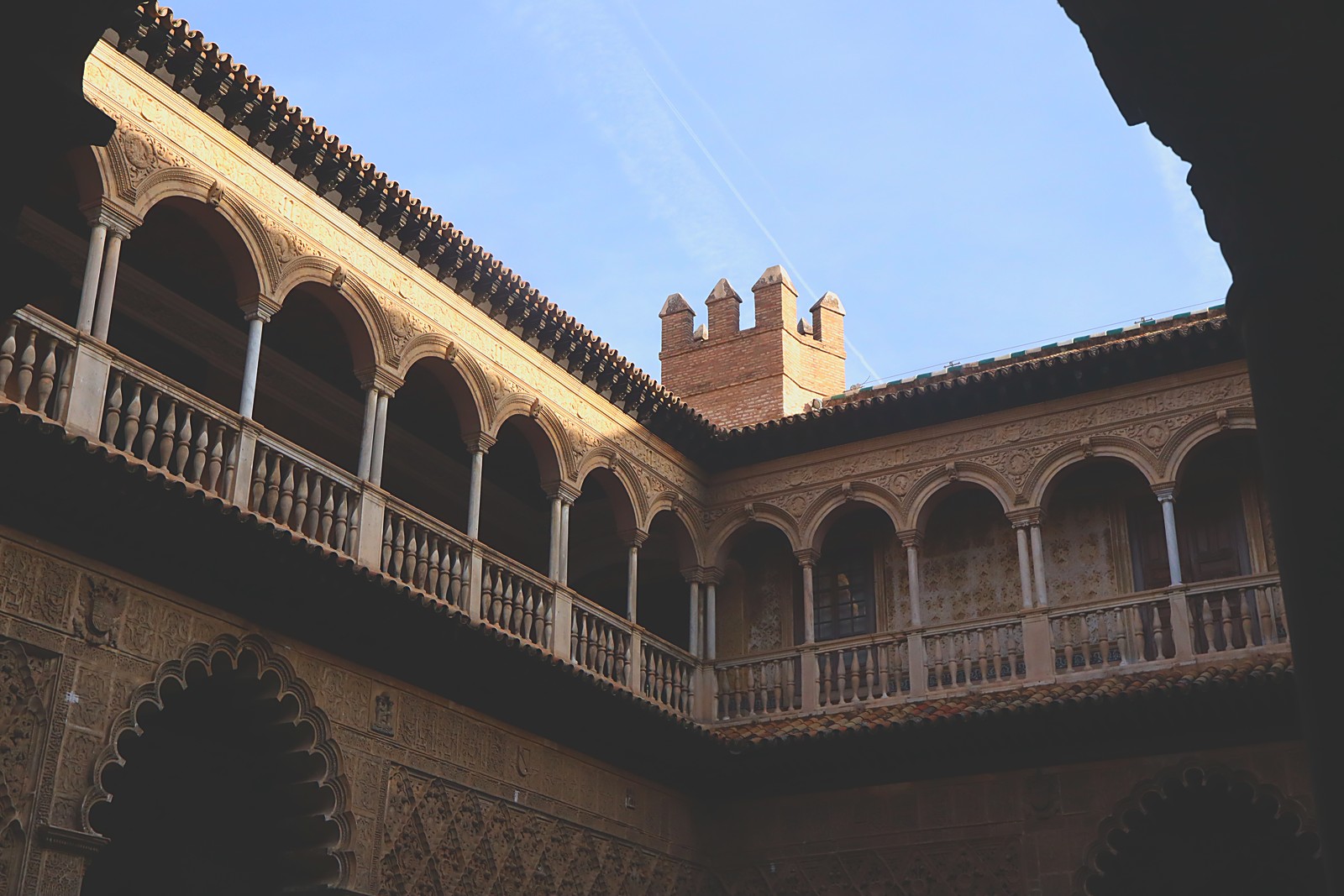
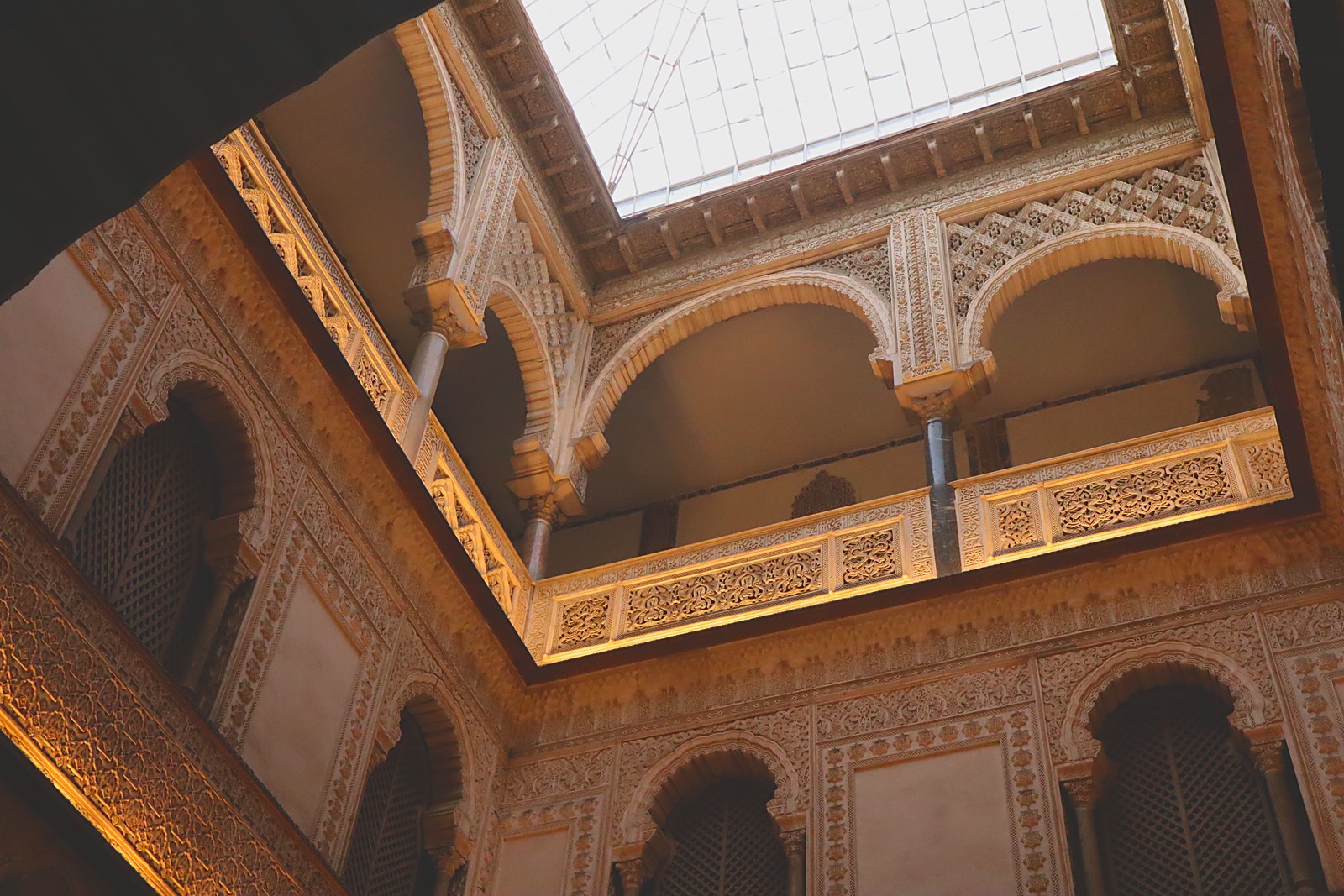
Most of the walls are covered in carved plaster: geometric lattices, interlocking arches and inscriptions. It was originally painted.
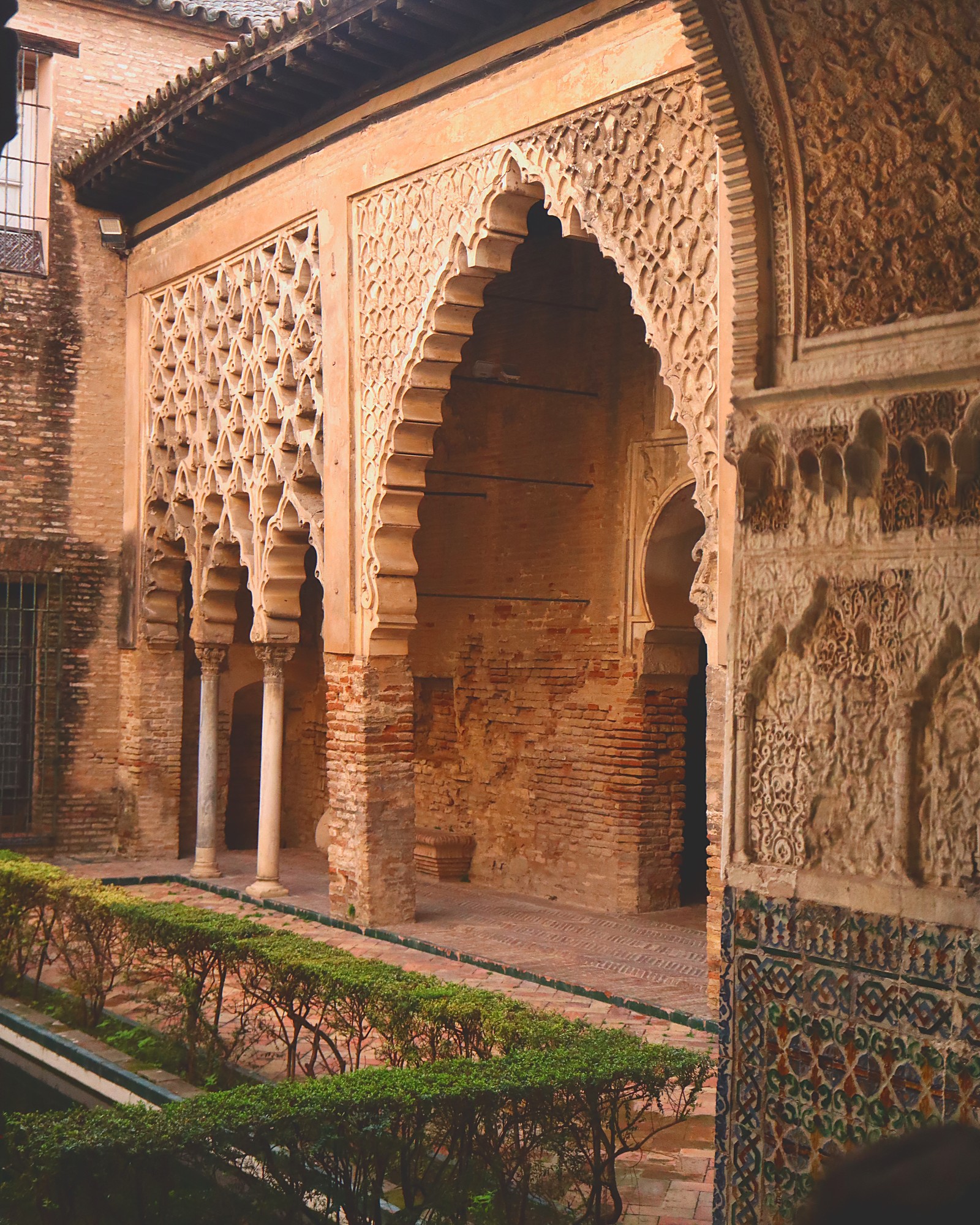
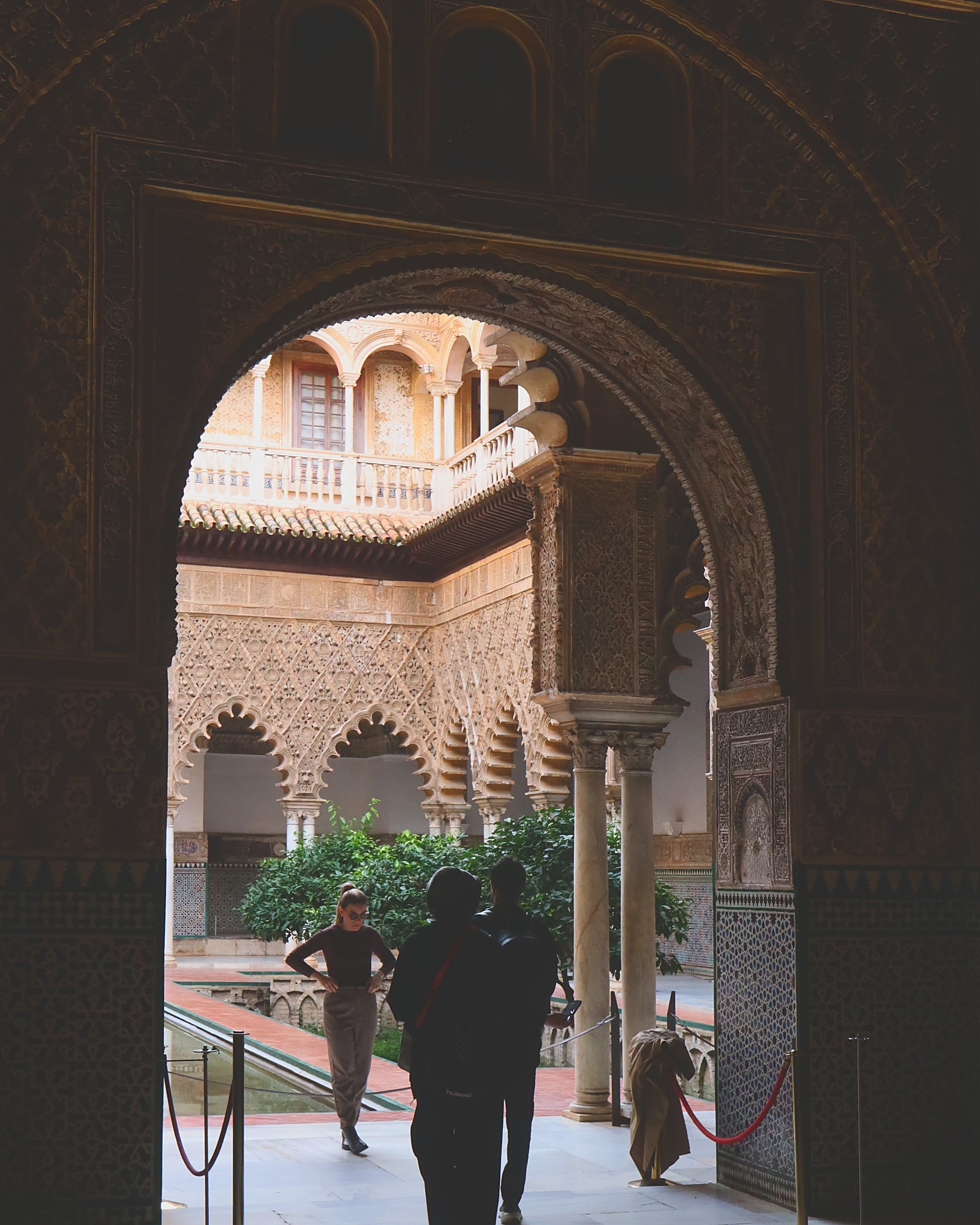
The Patio de las Doncellas (Courtyard of the Maidens) is the centre of Pedro I's palace. The pool and sunken gardens were paved over in the sixteenth century and uncovered by archaeologists in the 2000s.
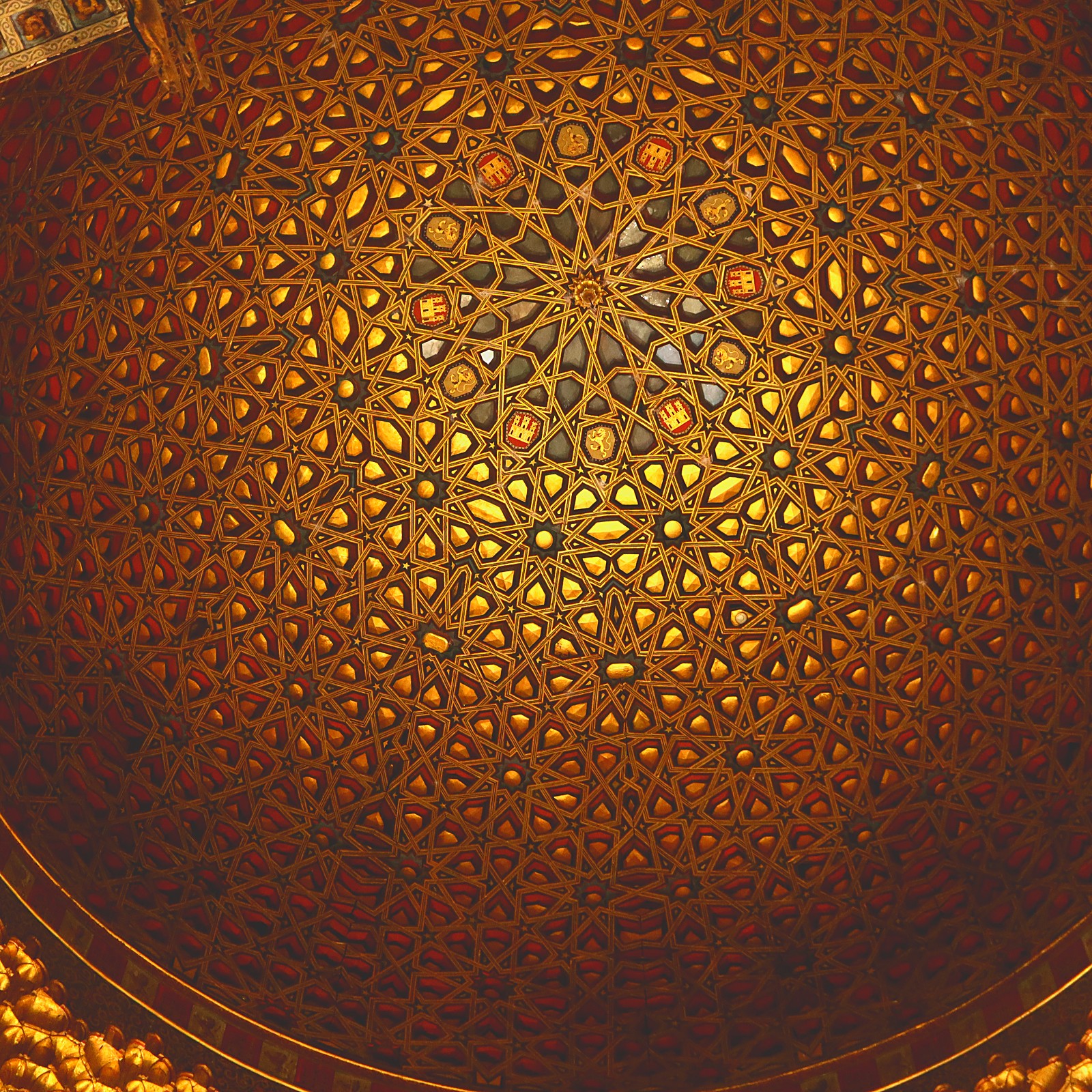
The Hall of Ambassadors was the throne room. Its dome is carved and gilded wood, added in the fifteenth century.
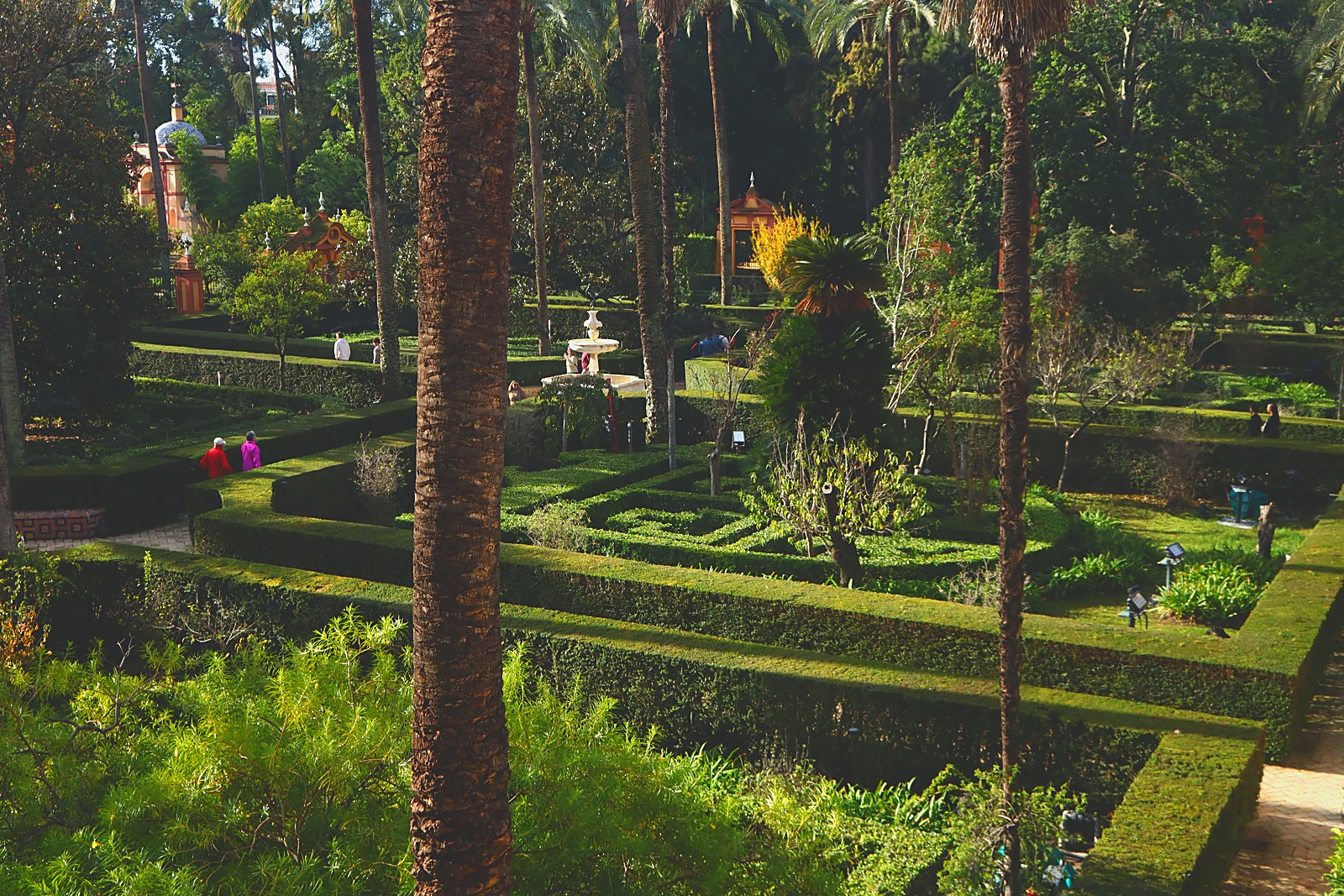
The gardens were laid out and changed over several centuries, so they mix Moorish water channels, Renaissance terraces and nineteenth-century lawns. They were used as the Water Gardens of Dorne in Game of Thrones.
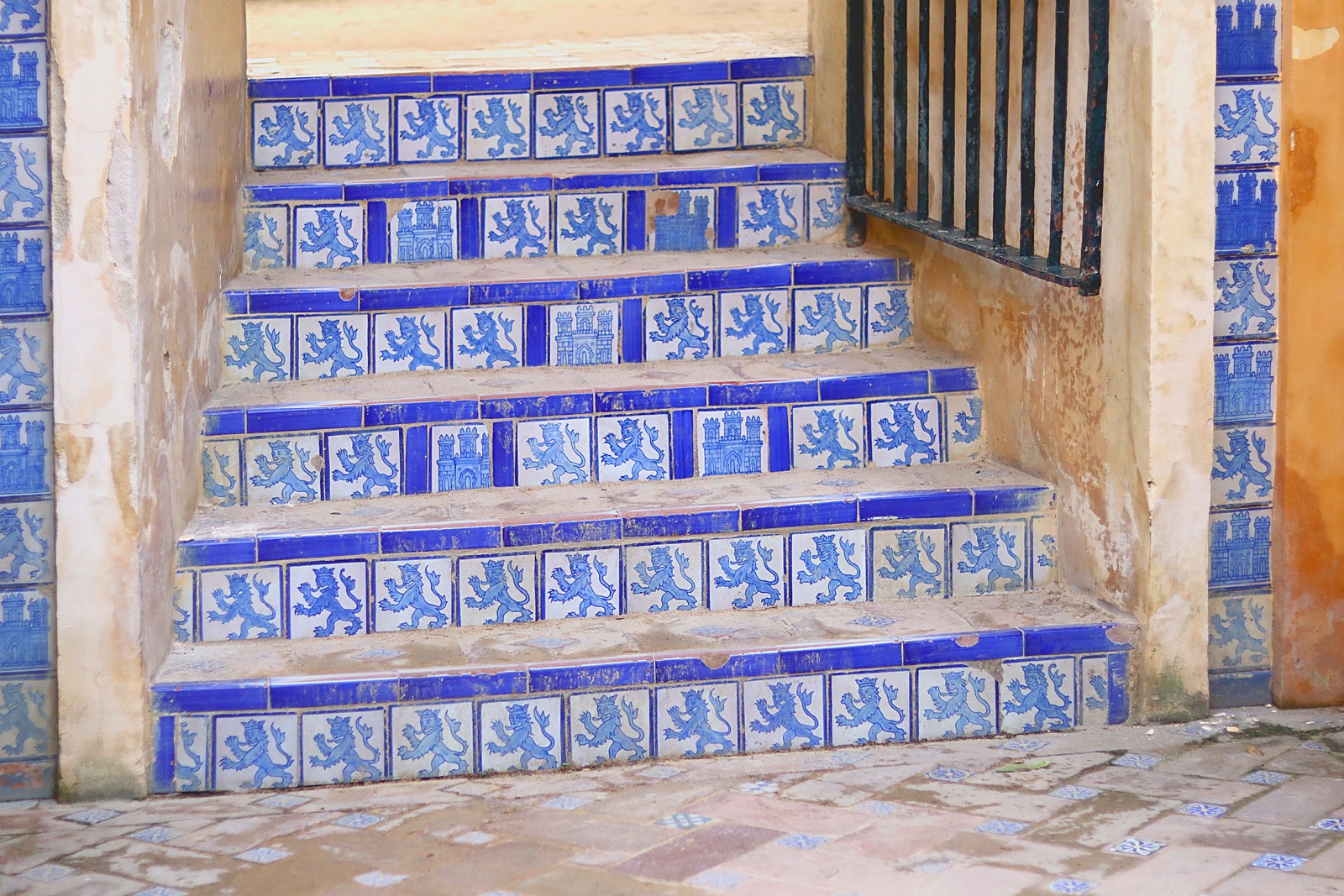
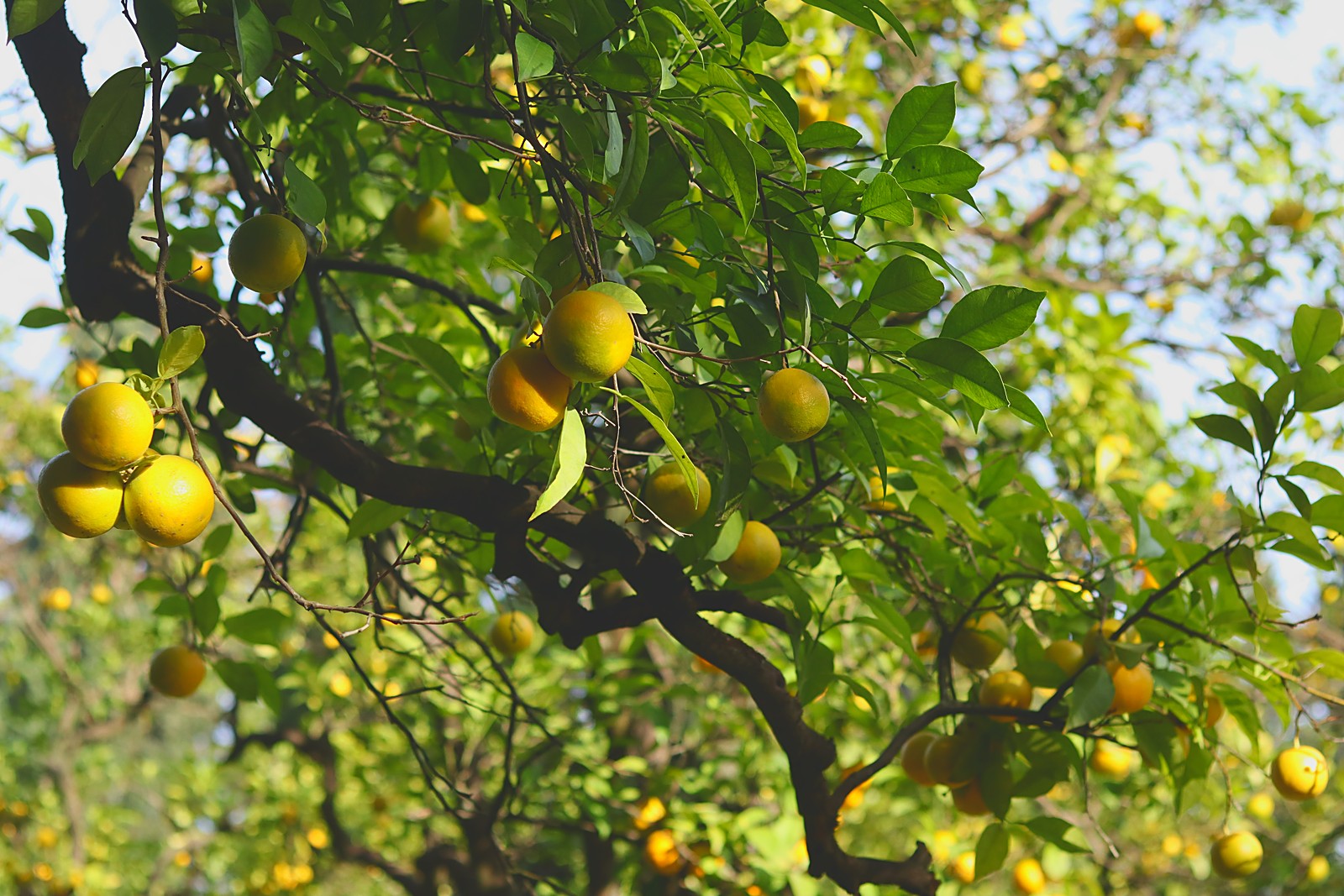
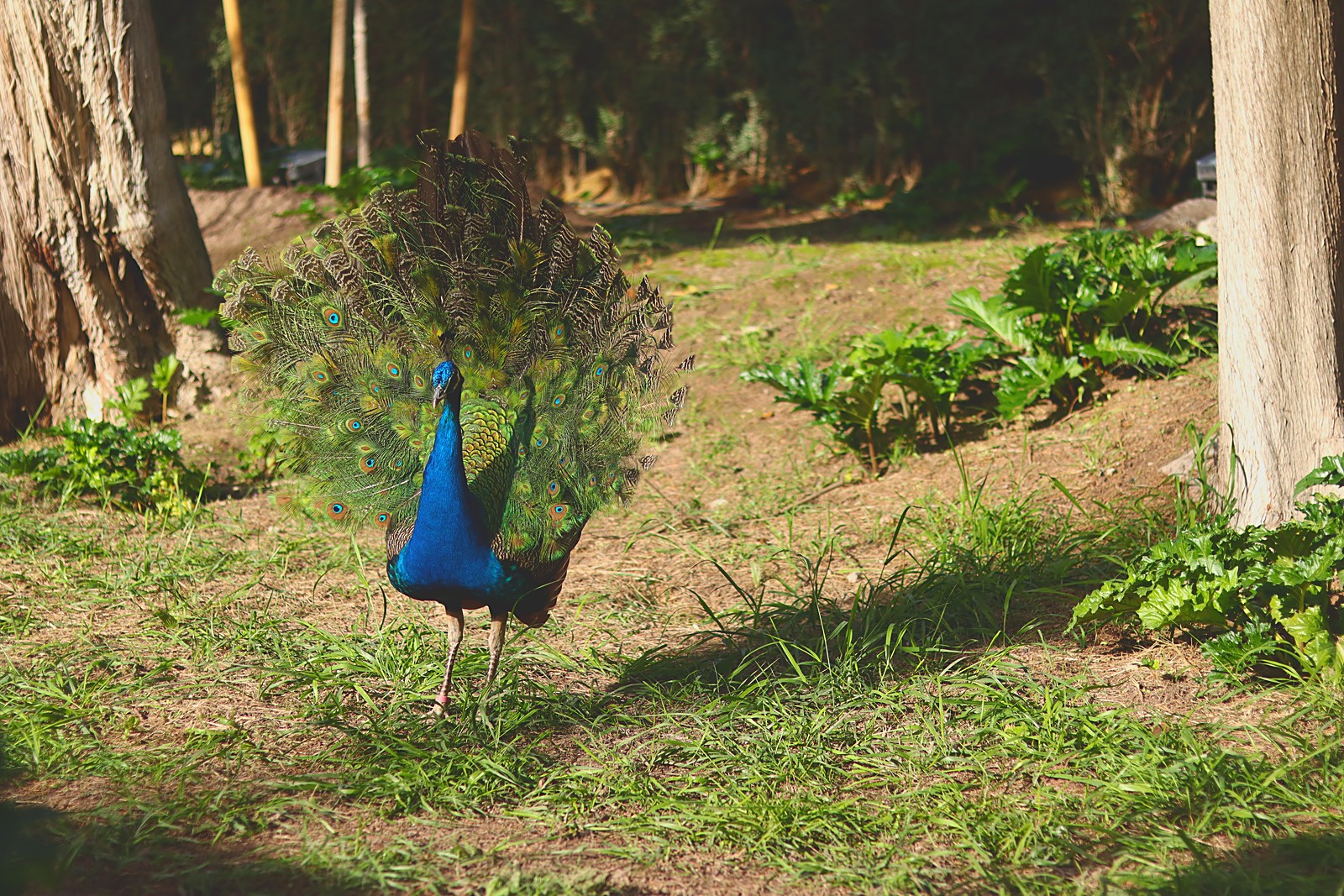
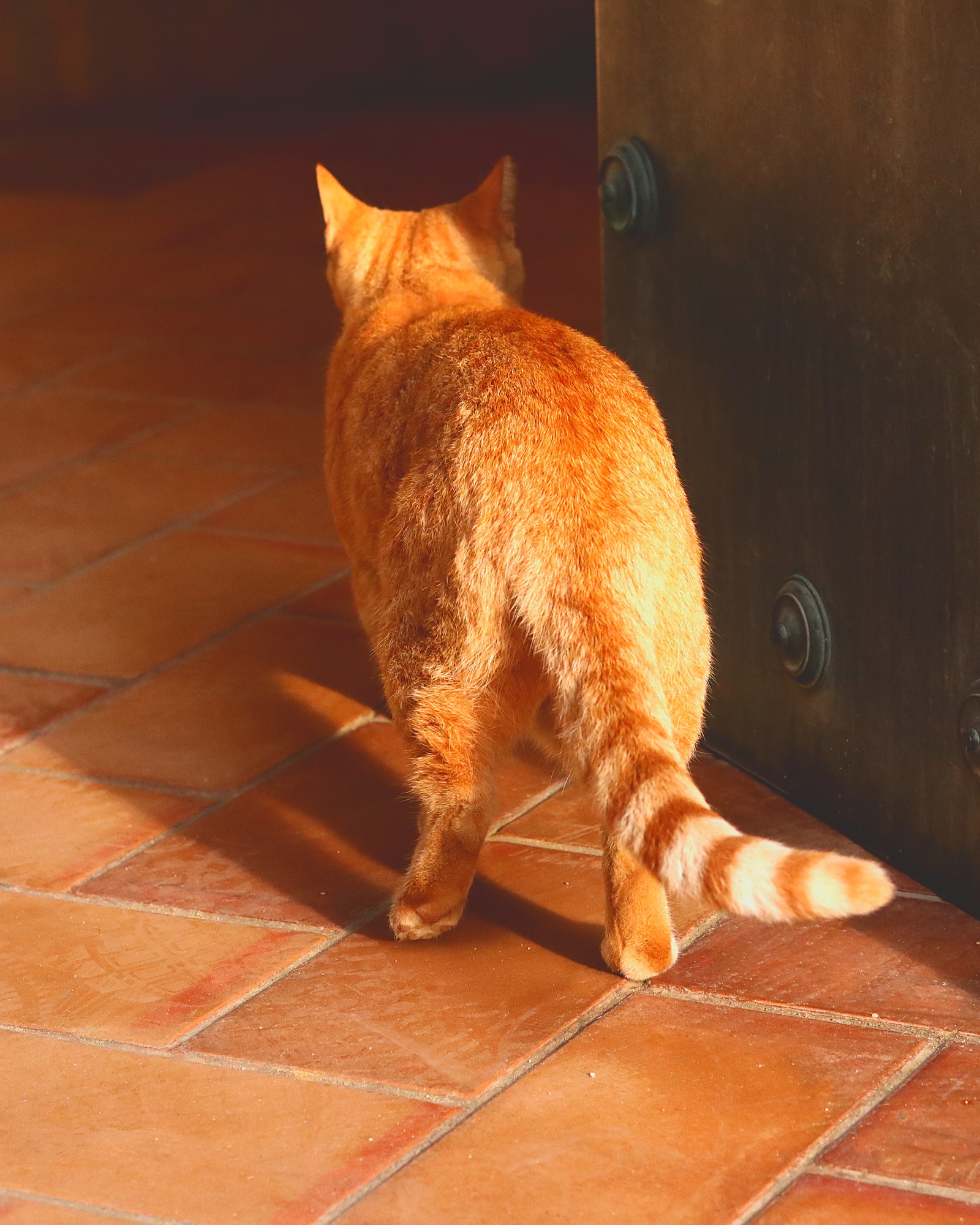
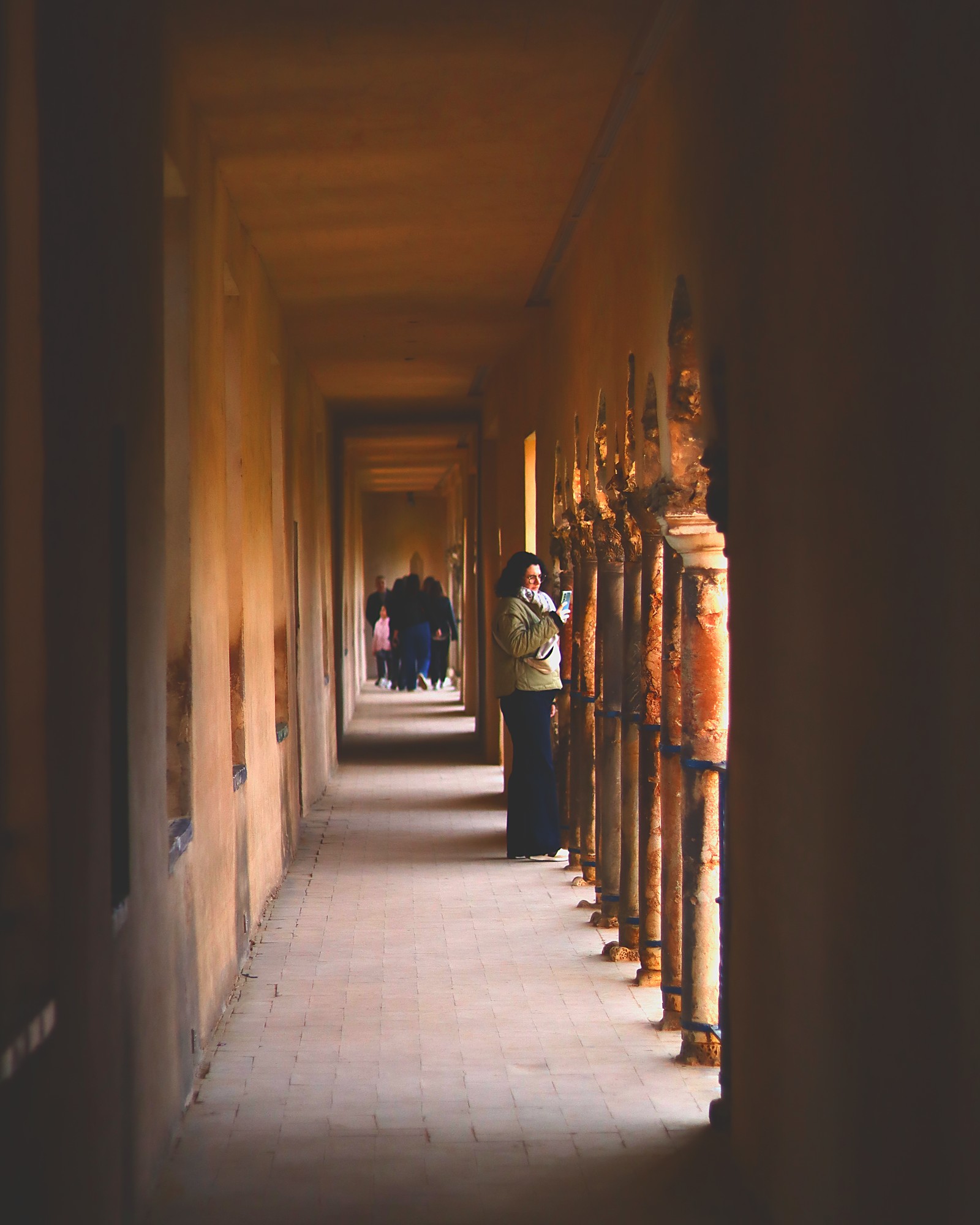
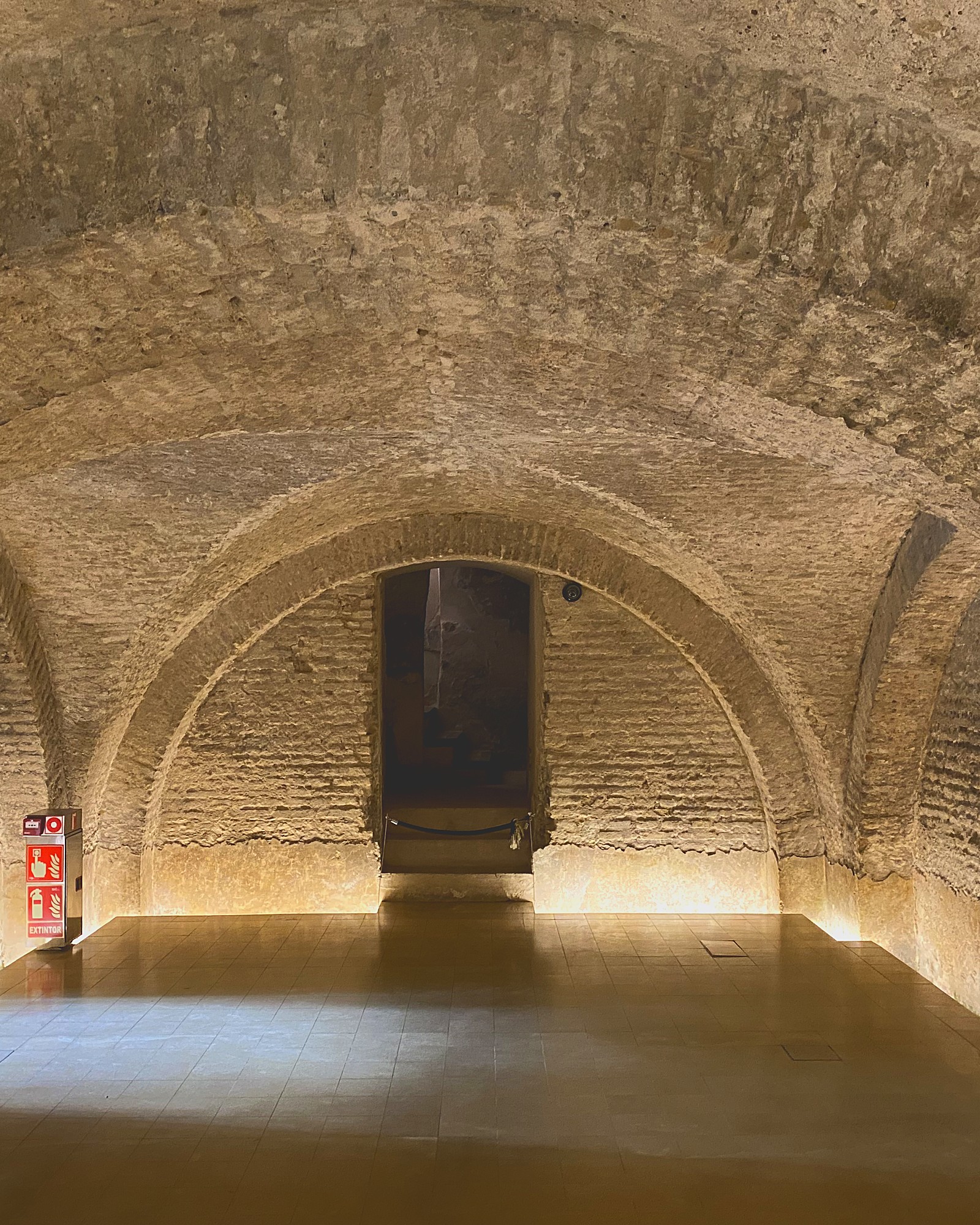
The Baths of Doña María de Padilla are an underground cistern that collected rainwater for the palace. They are named after Pedro I's mistress.
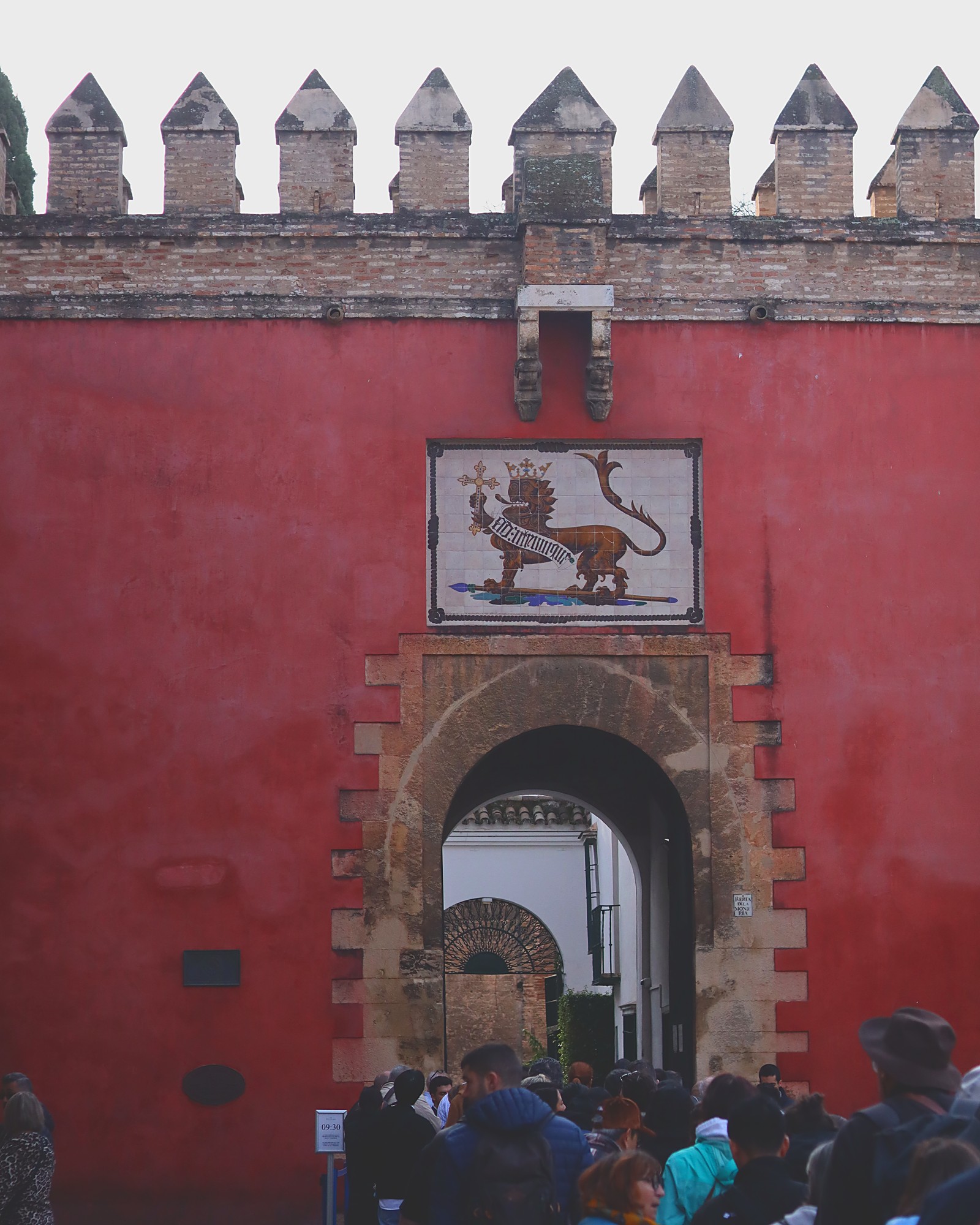
Book a time slot and go early. The queue at the Lion Gate gets long.
Further reading
- Alcázar of Seville (Wikipedia) (opens in a new tab) Wikipedia
- Peter of Castile, Pedro I (Wikipedia) (opens in a new tab) Wikipedia
- María de Padilla (Wikipedia) (opens in a new tab) Wikipedia
- Mudéjar art (Wikipedia) (opens in a new tab) Wikipedia
- Moorish architecture (Wikipedia) (opens in a new tab) Wikipedia
- Seville orange (Wikipedia) (opens in a new tab) Wikipedia
- Indian peafowl (Wikipedia) (opens in a new tab) Wikipedia