Guangzhou's old streets
- When
- Photos10
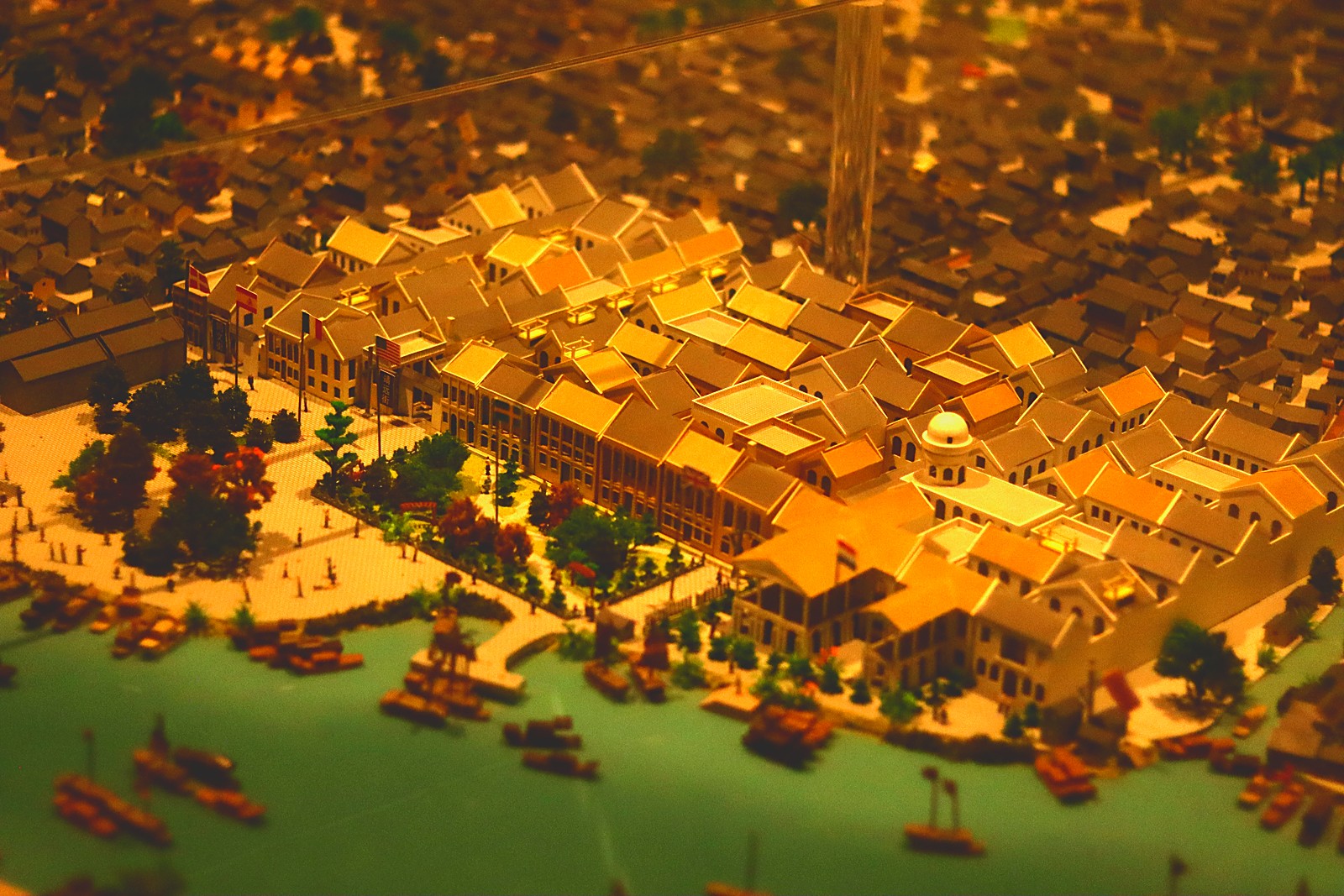
The next day we went to the older part of Guangzhou: the Thirteen Hongs Museum in the morning, and the streets in the evening.
Guangzhou has more than 2,200 years of history and has been a trading port for most of it. It was a terminus of the maritime Silk Road, and from 1757 to 1842, under the Canton System, it was the only Chinese port where Western merchants were allowed to trade.
The museum is about the Thirteen Hongs, also called the Thirteen Factories. Under the Canton System, foreign traders had to live and work in a strip of warehouses and offices on the riverbank outside the city walls, and could only trade through the hongs, Chinese merchant firms licensed by the government. The factories burnt down in 1856.
Tea was the main export. In the eighteenth and nineteenth centuries Western ships came to Canton mainly for tea, silk and porcelain.
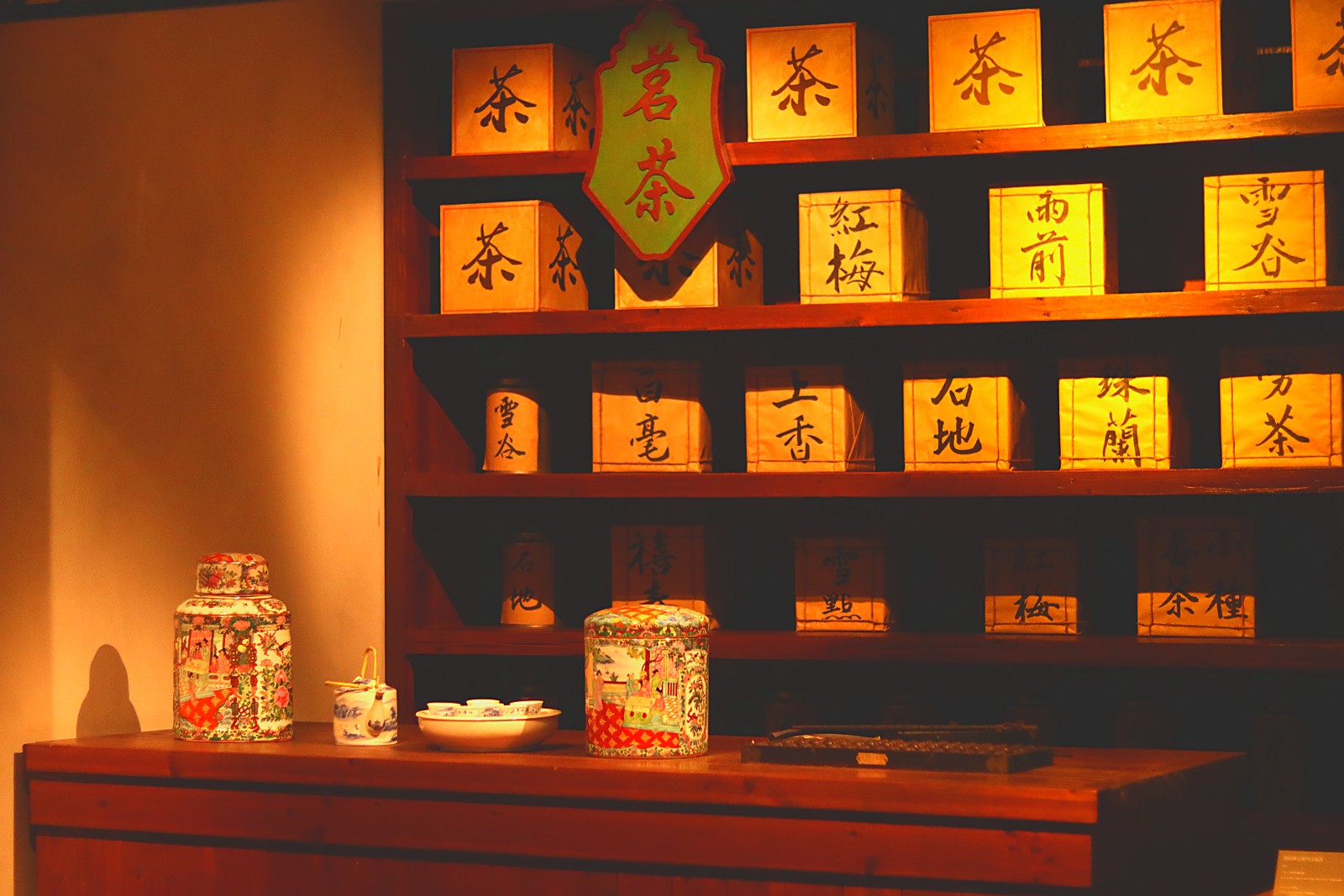
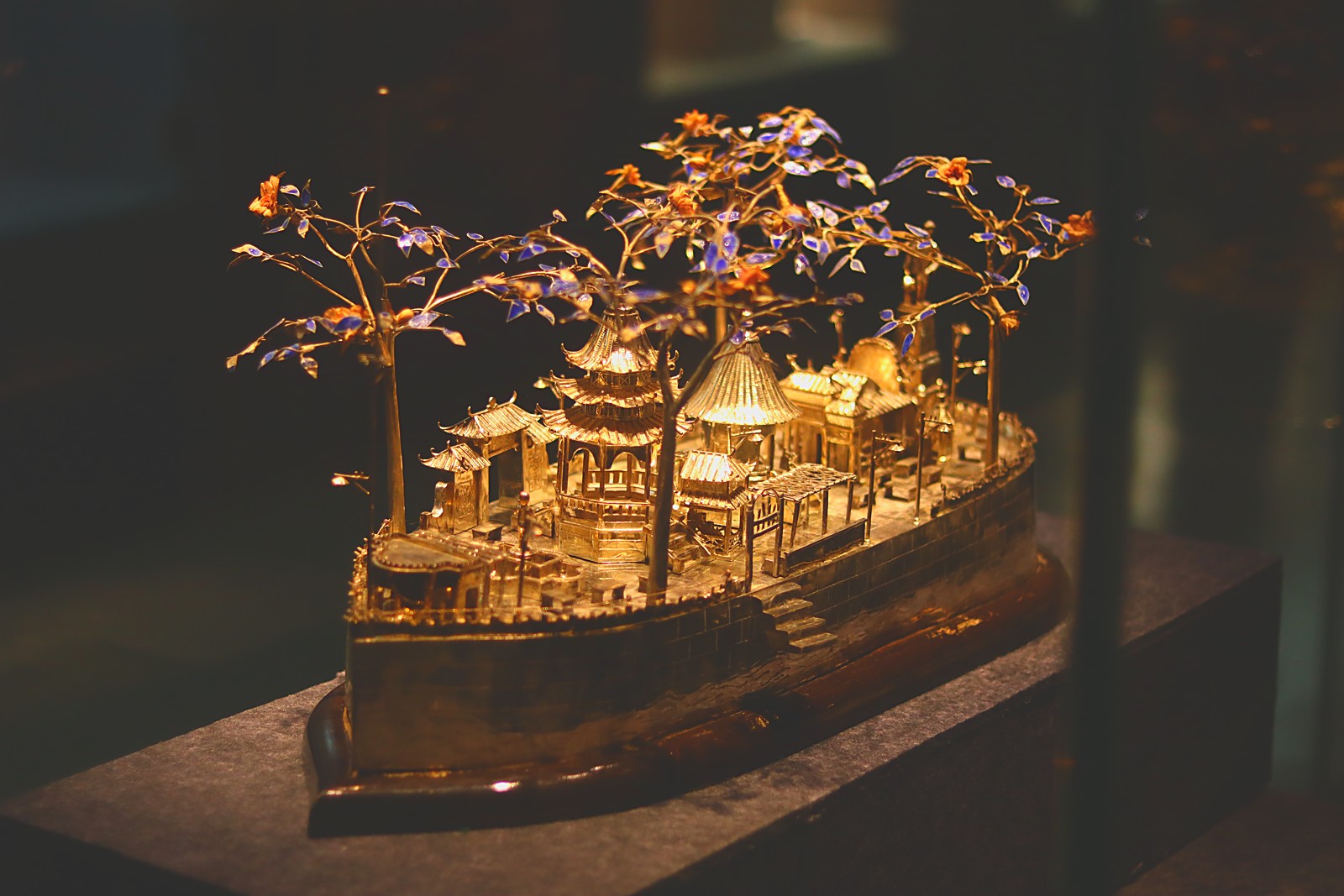
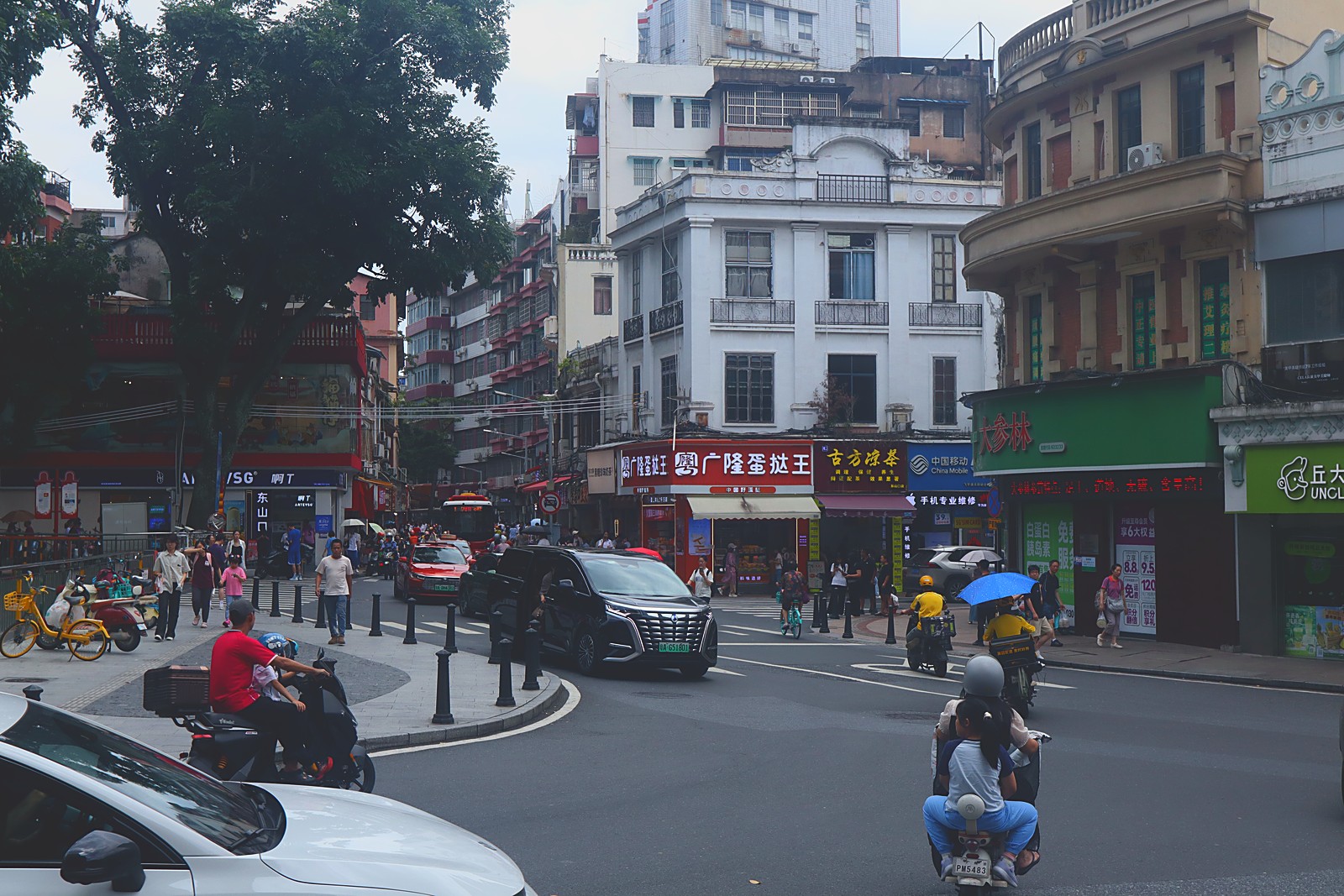
In the evening we walked around the old centre.
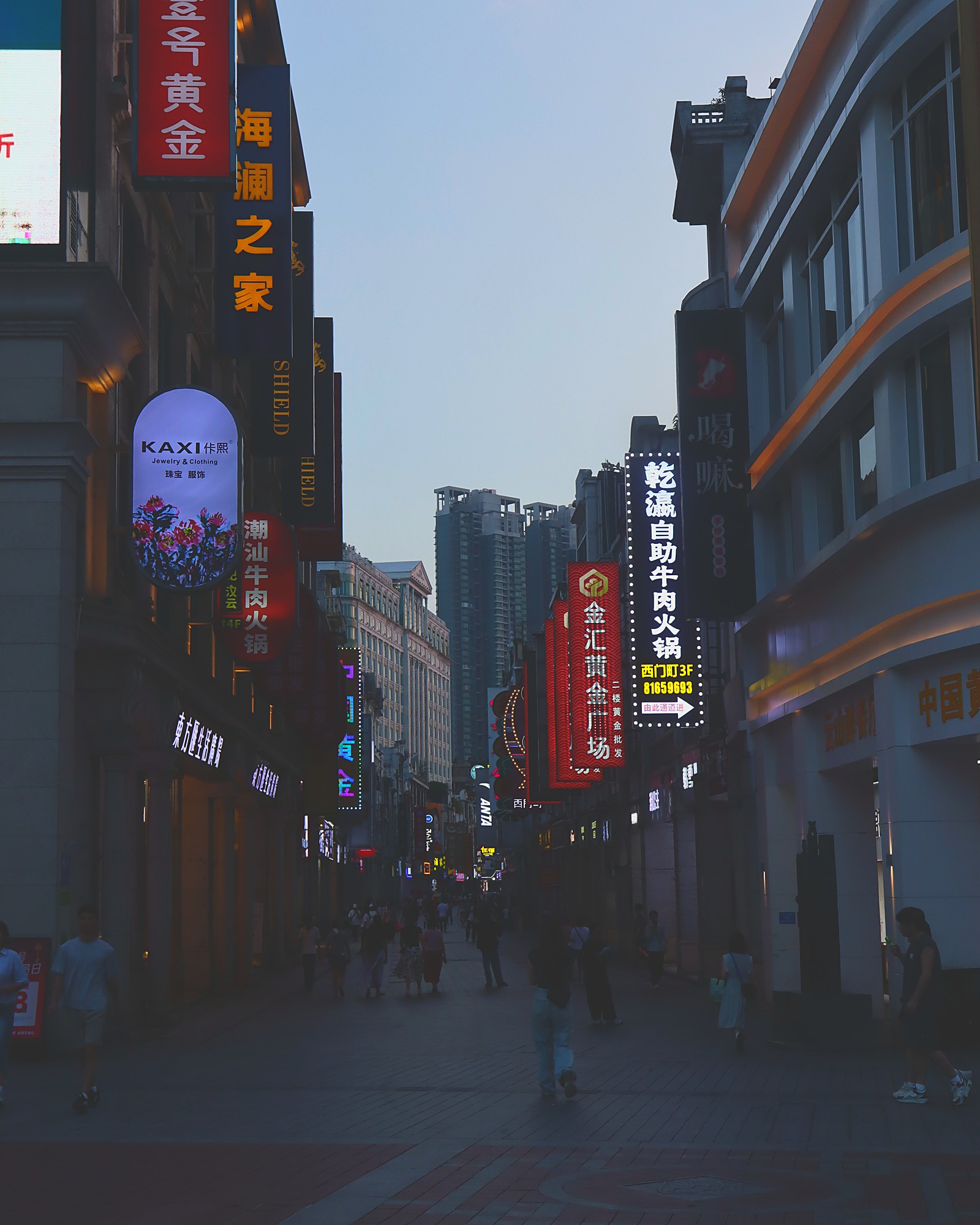
Guangzhou is the home of Cantonese cooking: roast meats, steamed fish, and dim sum with tea.
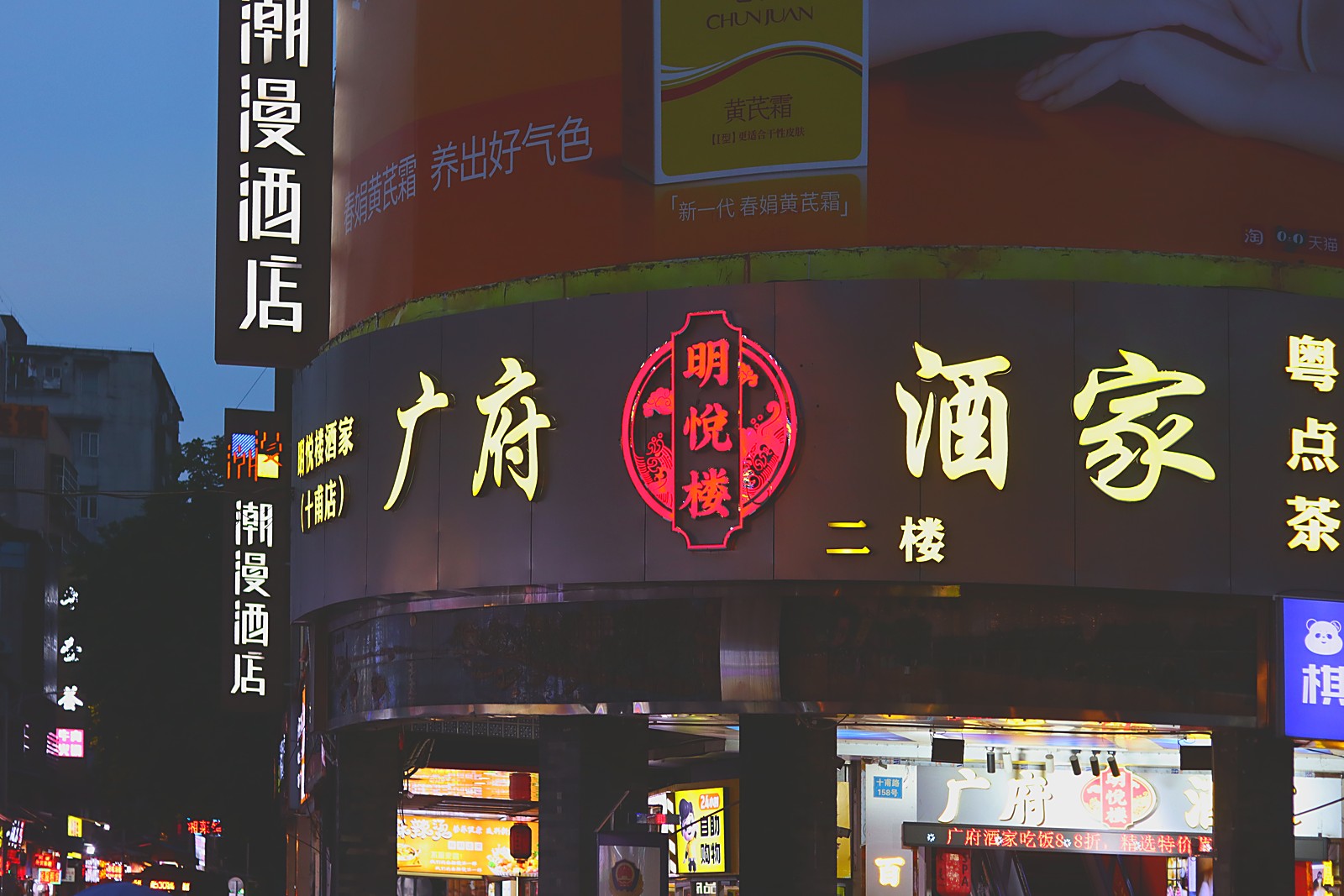
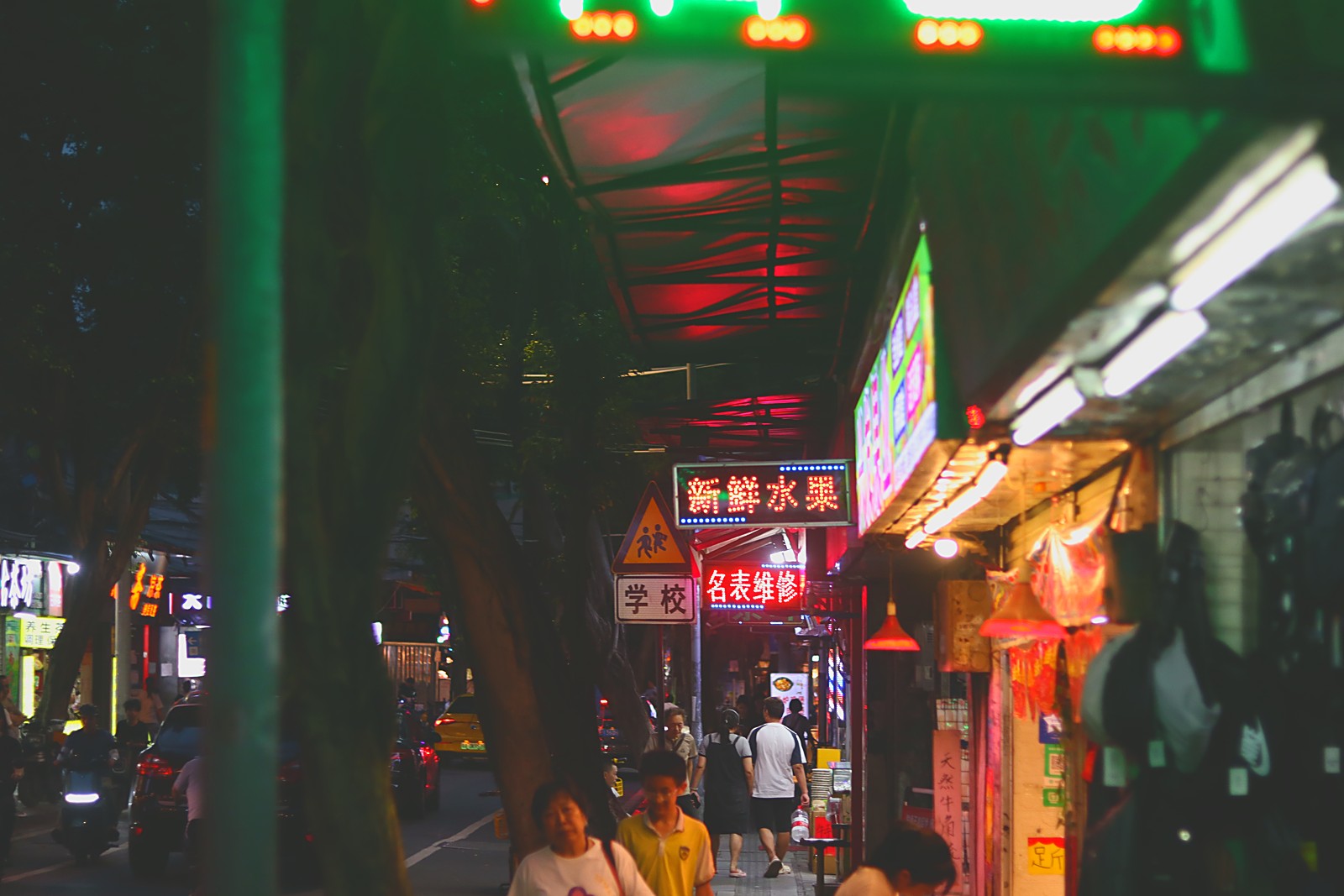
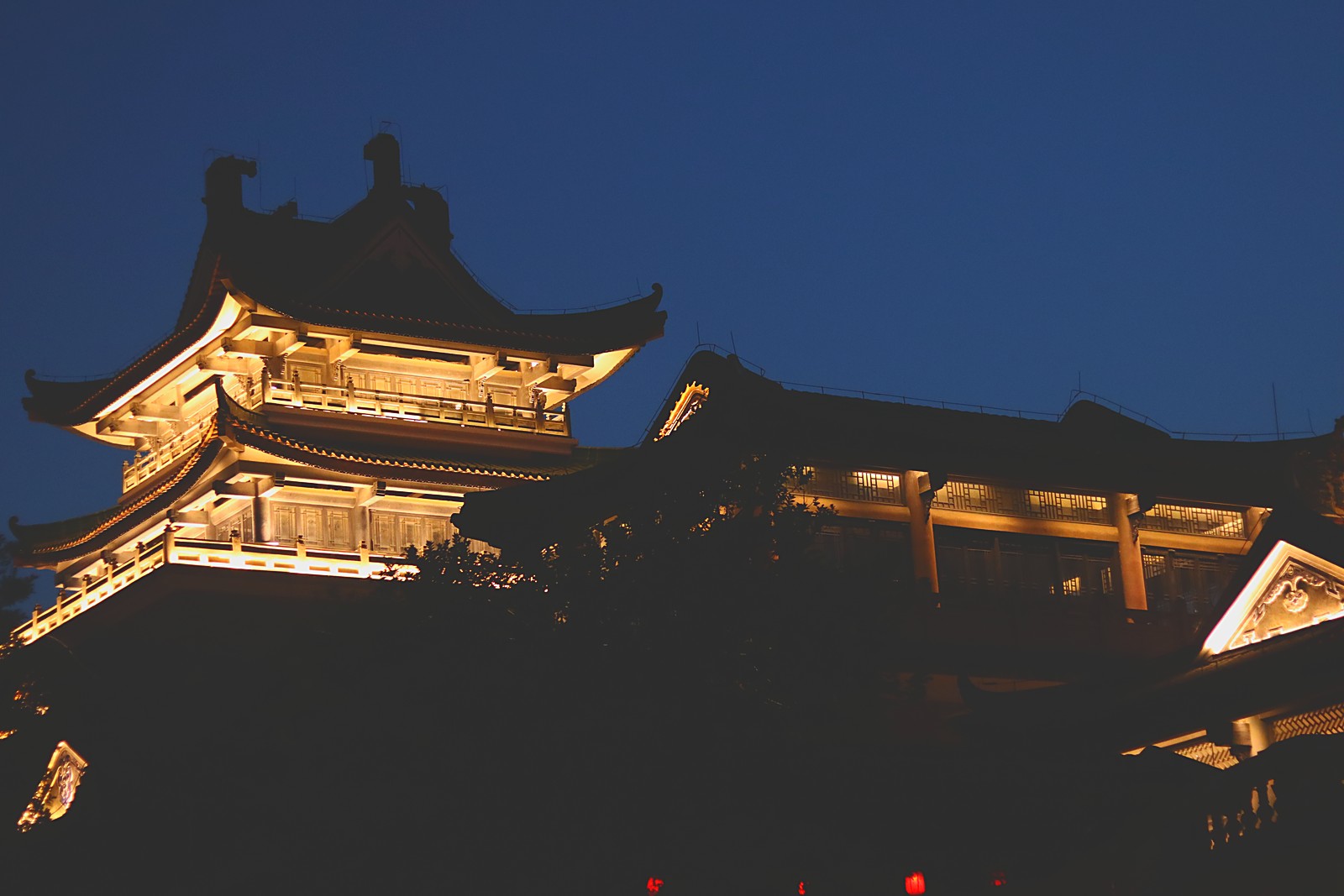
Later we walked down to the water, where the pavilions and bridges are lit at night.
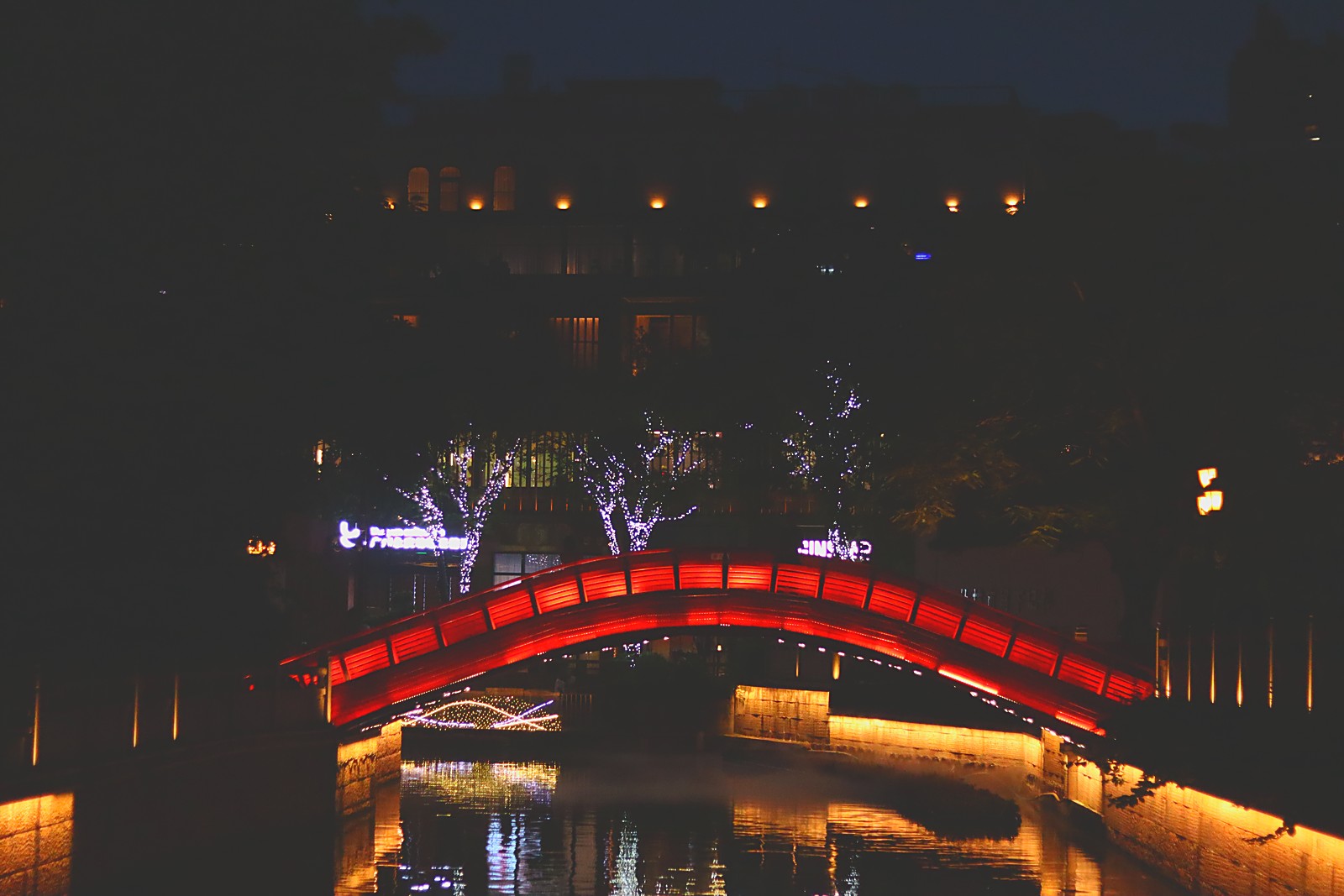
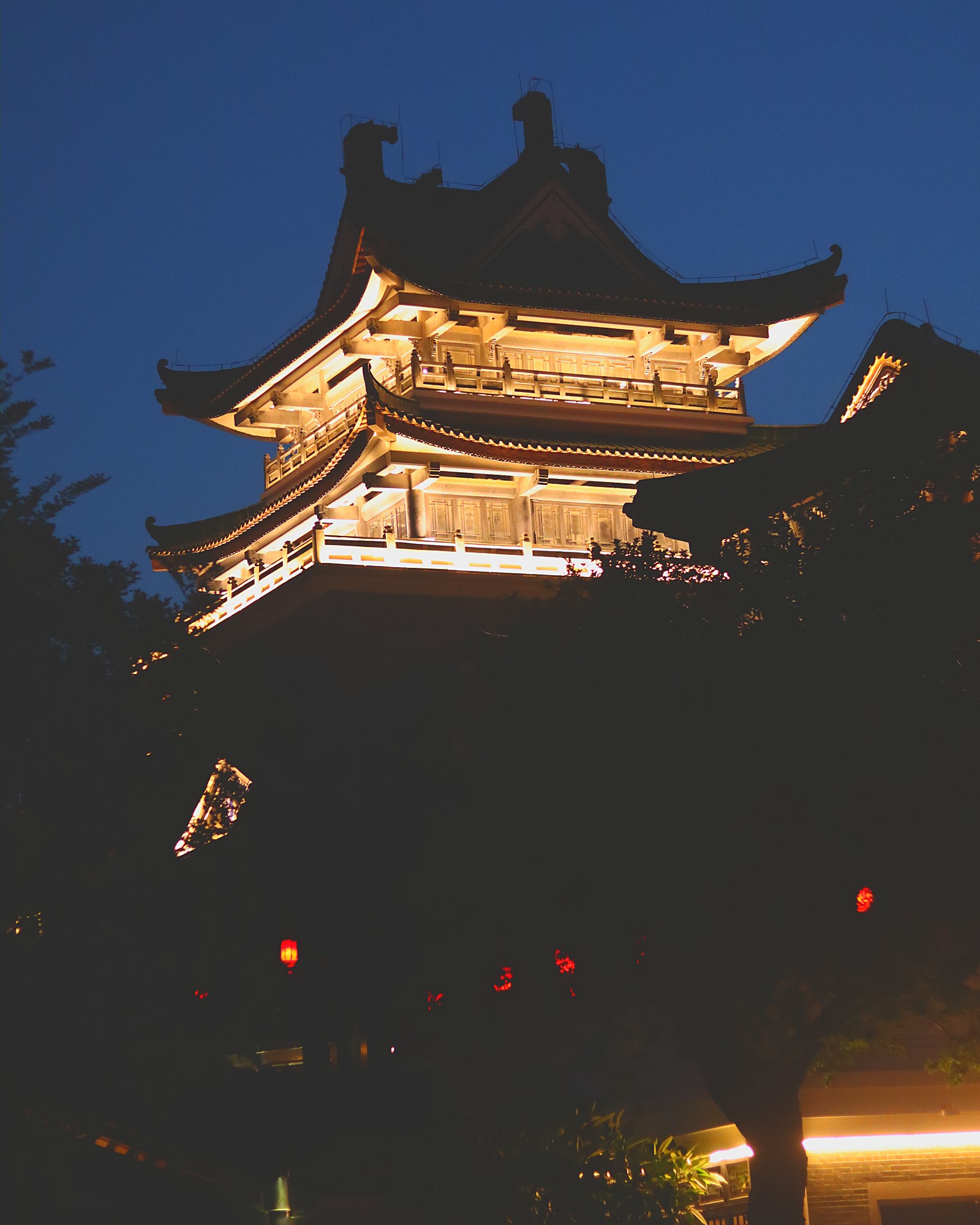
Further reading
- Guangzhou (Wikipedia) (opens in a new tab) Wikipedia
- Canton System (Wikipedia) (opens in a new tab) Wikipedia
- Cantonese cuisine (Wikipedia) (opens in a new tab) Wikipedia
- Dim sum (Wikipedia) (opens in a new tab) Wikipedia
- Thirteen Factories (Wikipedia) (opens in a new tab) Wikipedia
- Cohong (Wikipedia) (opens in a new tab) Wikipedia