Spain Seville

Parque de María Luisa and the folk museum

  • When
  • Stops2
  • Between them300 m
  • Photos12
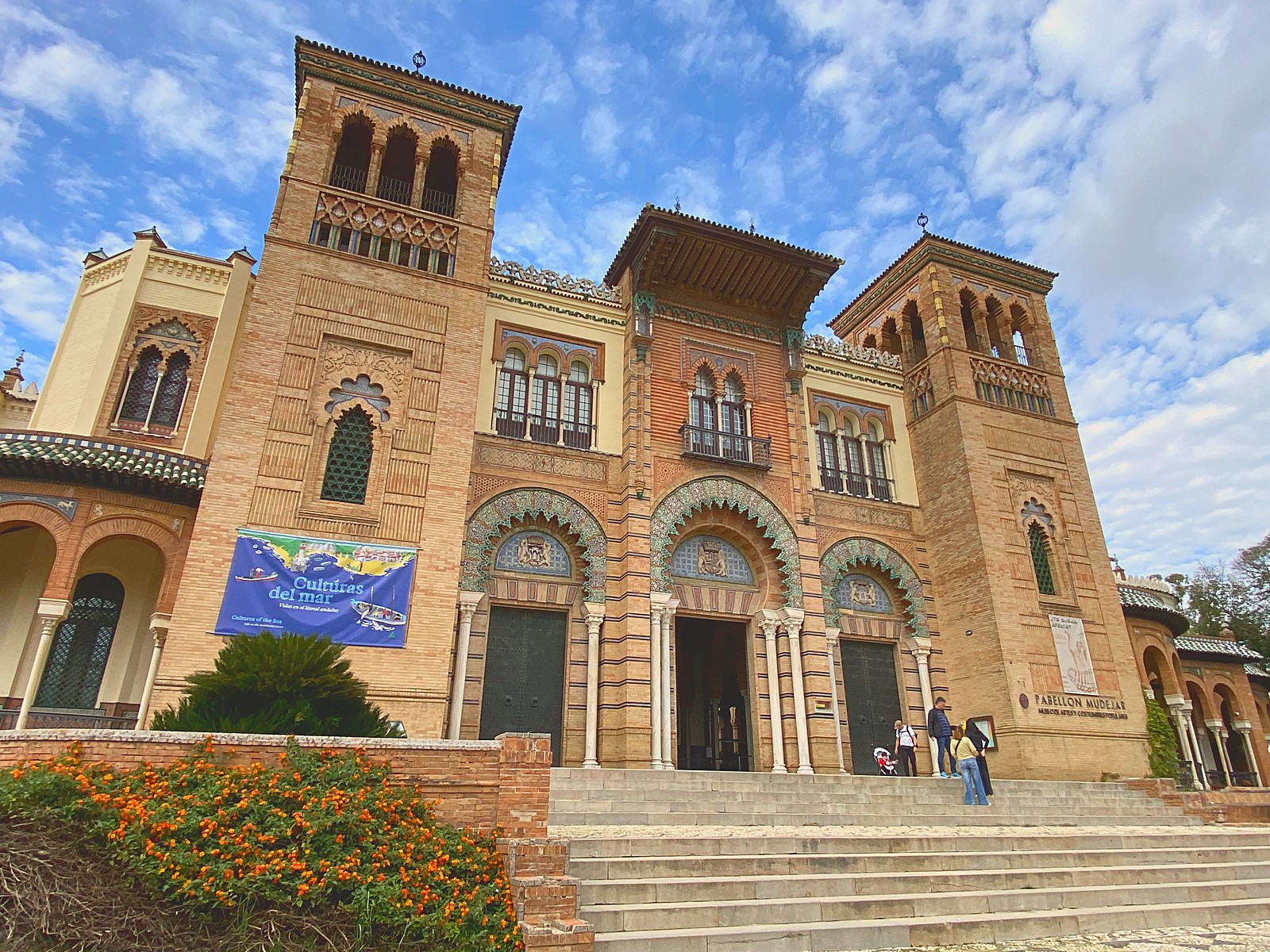
A brick and tile pavilion with towers and arched windows, behind steps and flower beds.
The Mudéjar pavilion, home of the folk museum.

Where this post goes

  1. Museo de Artes y Costumbres Populares (Wikipedia, opens in a new tab) See the photo ↓
  2. Parque de María Luisa (Wikipedia, opens in a new tab) See the photo ↓

The Museo de Artes y Costumbres Populares, the Museum of Popular Arts and Customs, is in the Pabellón Mudéjar, a pavilion built by Aníbal González for the 1929 Ibero-American Exposition. It stands at the southern end of the Parque de María Luisa.
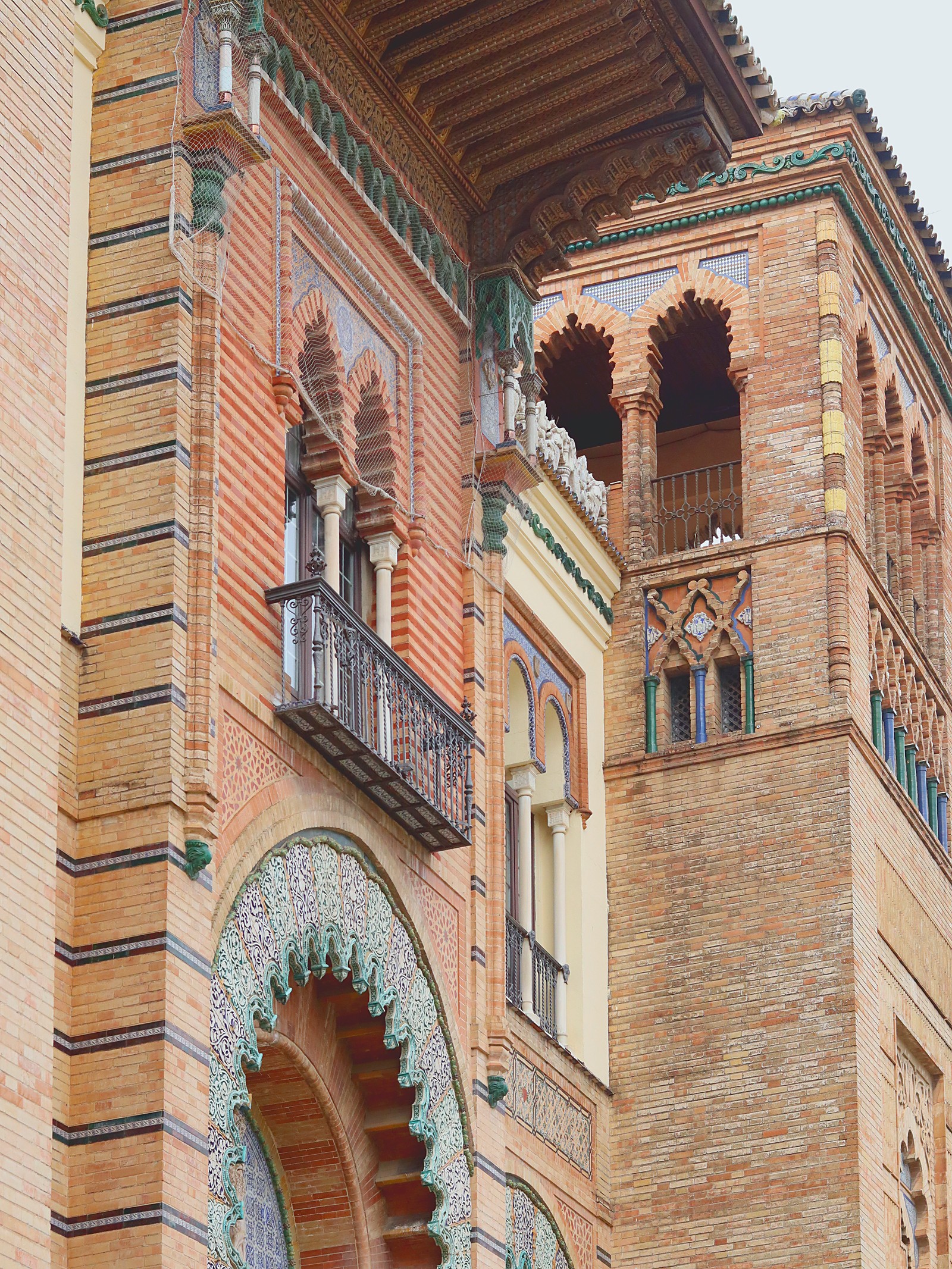
A brick tower decorated with tiles and arched windows.
Brick and tilework on one of its towers.
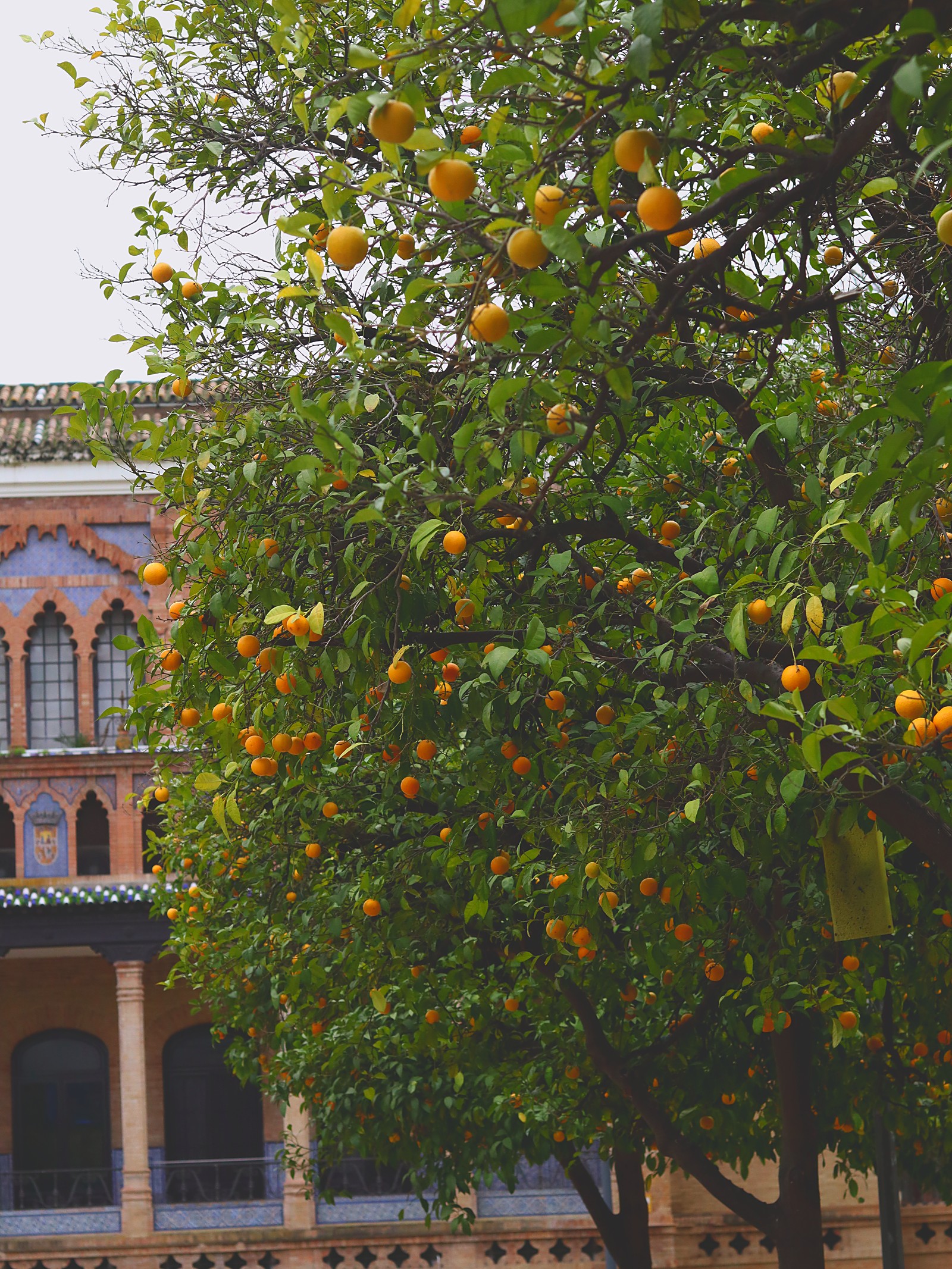
Orange trees heavy with fruit beside a brick building.
Orange trees beside the pavilion.

The park was redesigned for the 1929 exposition and is full of shaded paths, fountains, ponds and tiled benches.
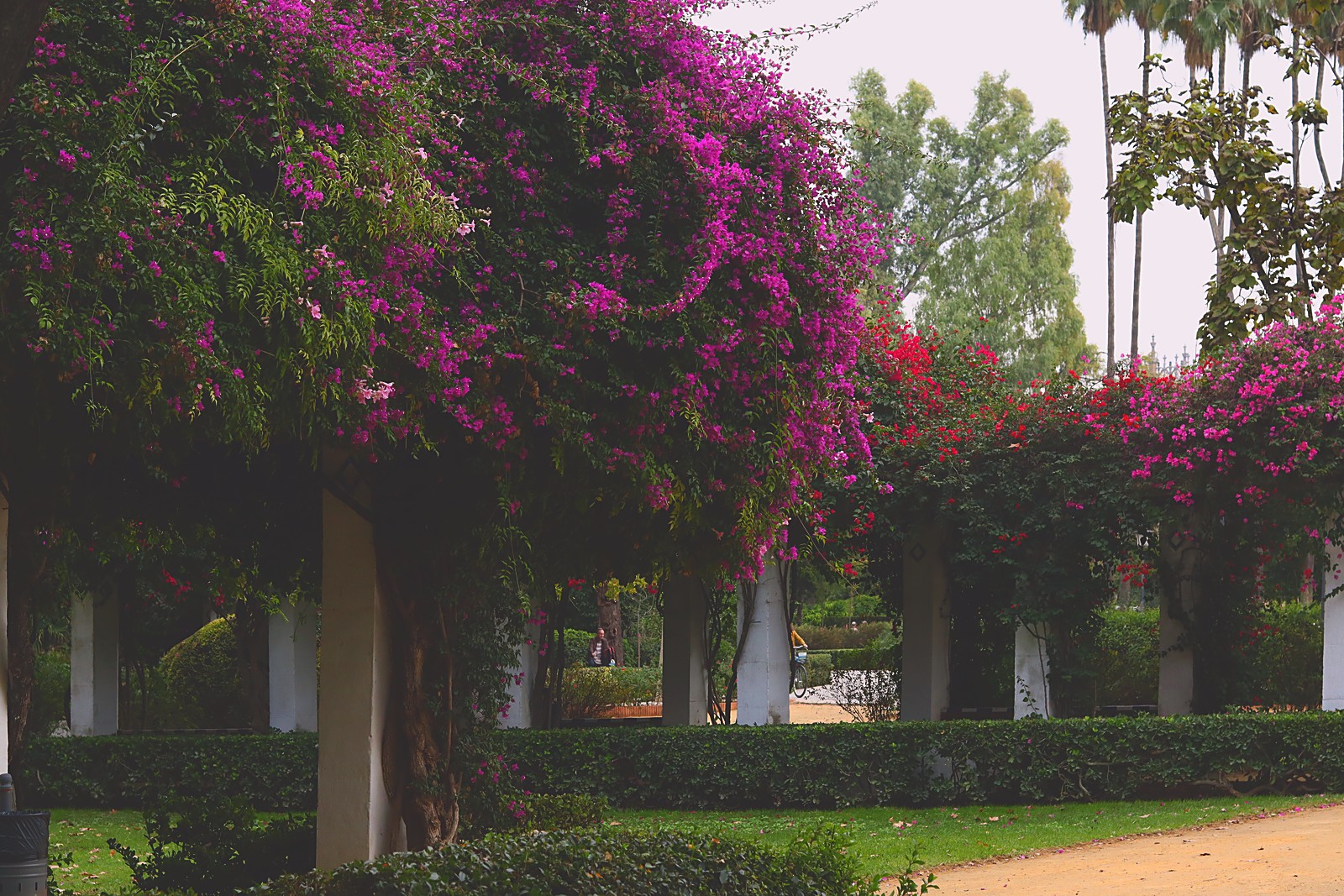
Purple bougainvillea climbing over garden walls and paths.
Bougainvillea in the park.
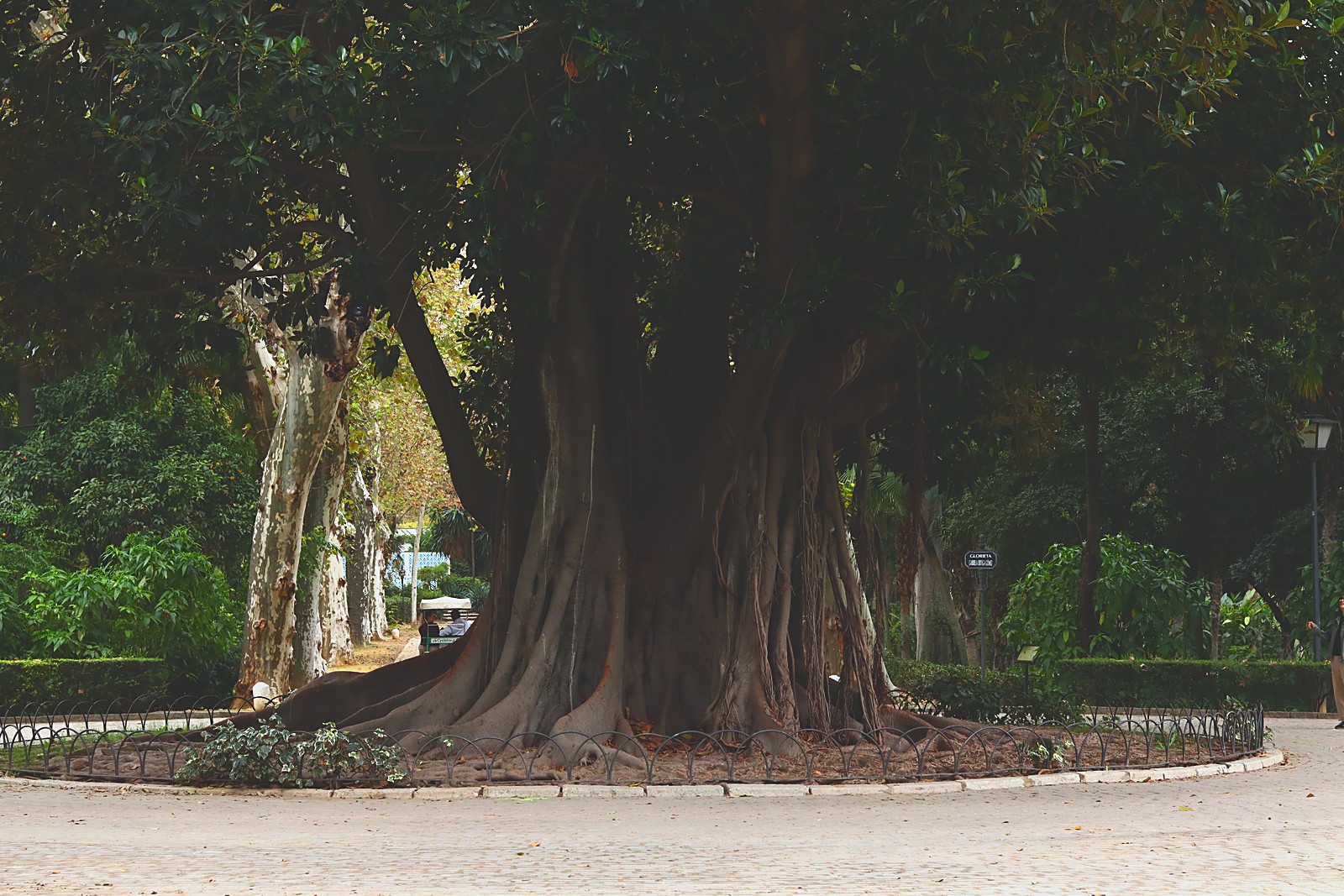
A huge old tree with a broad tangled trunk beside a path.
One of the park’s giant old trees.
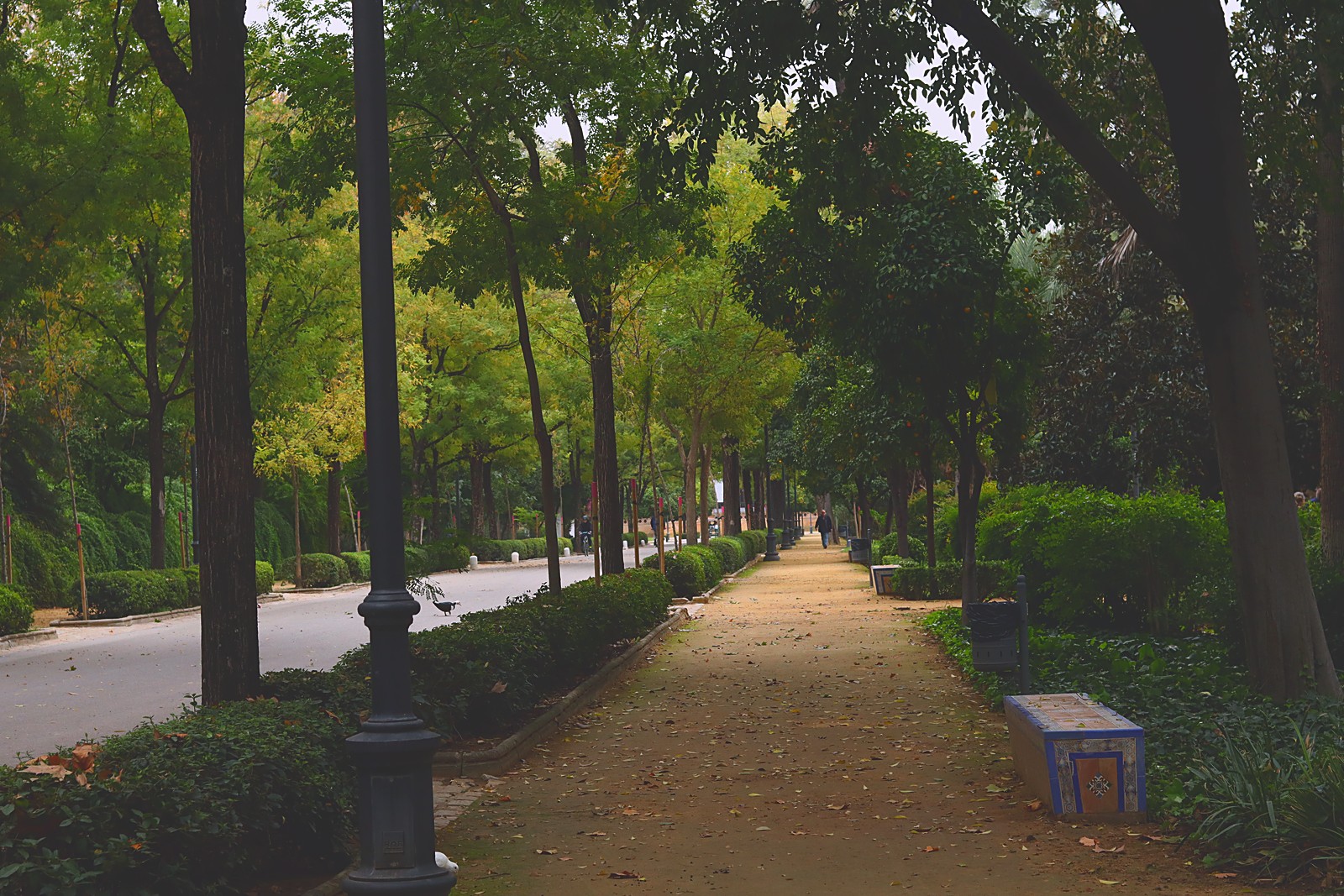
A wide shaded avenue through the park.
A shaded avenue.
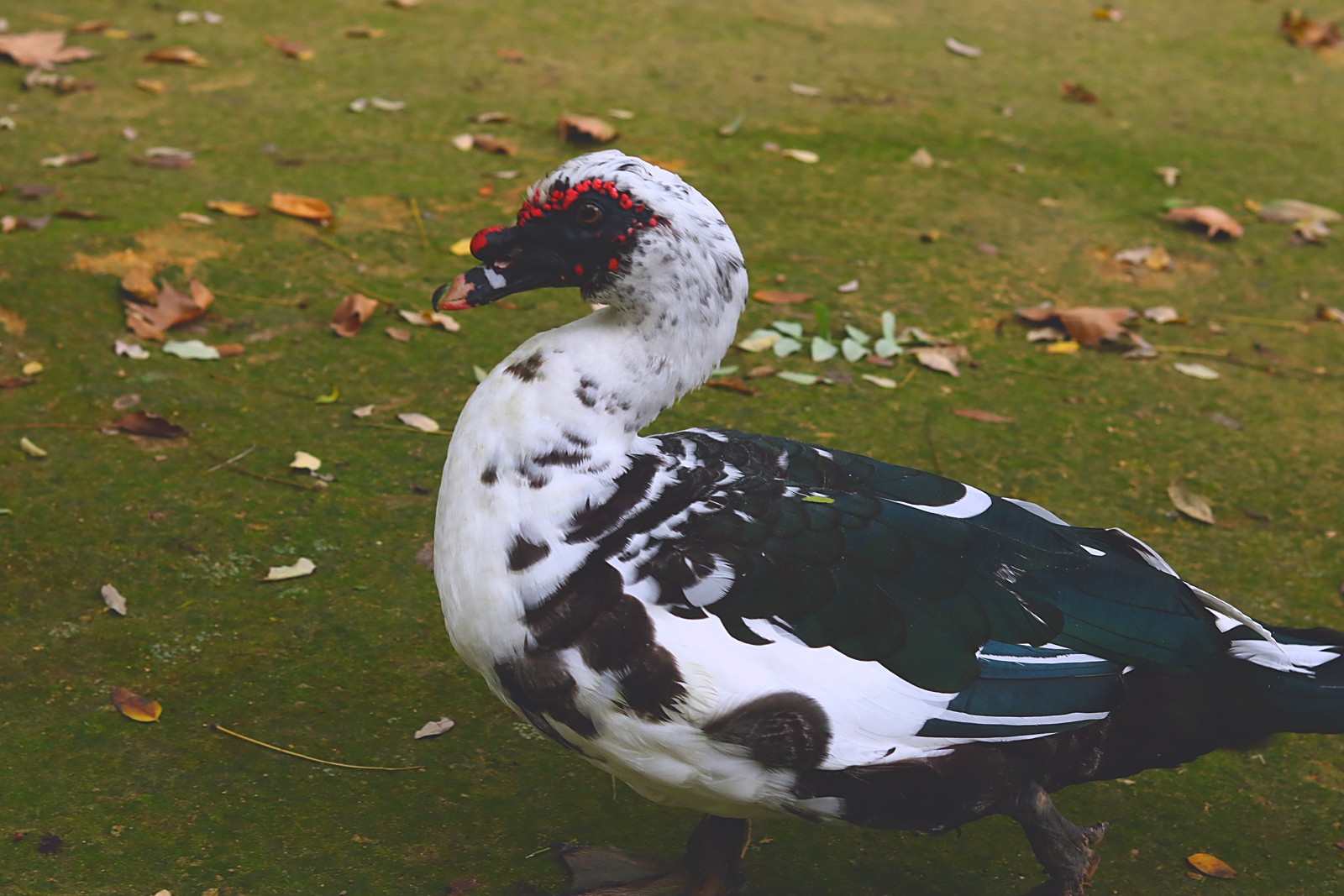
A black and white duck on a lawn.
A duck by one of the ponds.

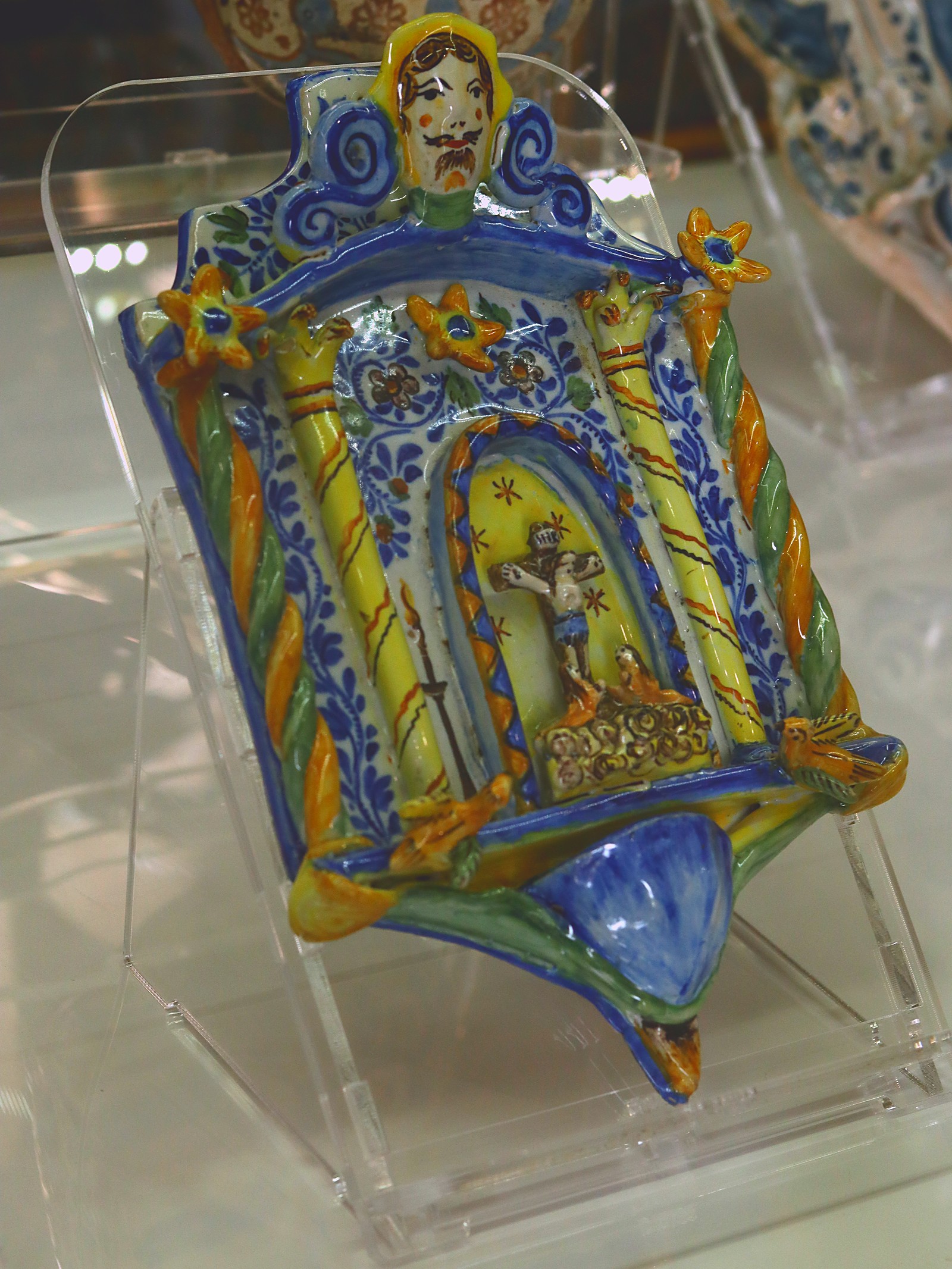
Inside, the museum shows the trades and home life of Andalucía: workshops, furniture, costumes, ceramics and toys.
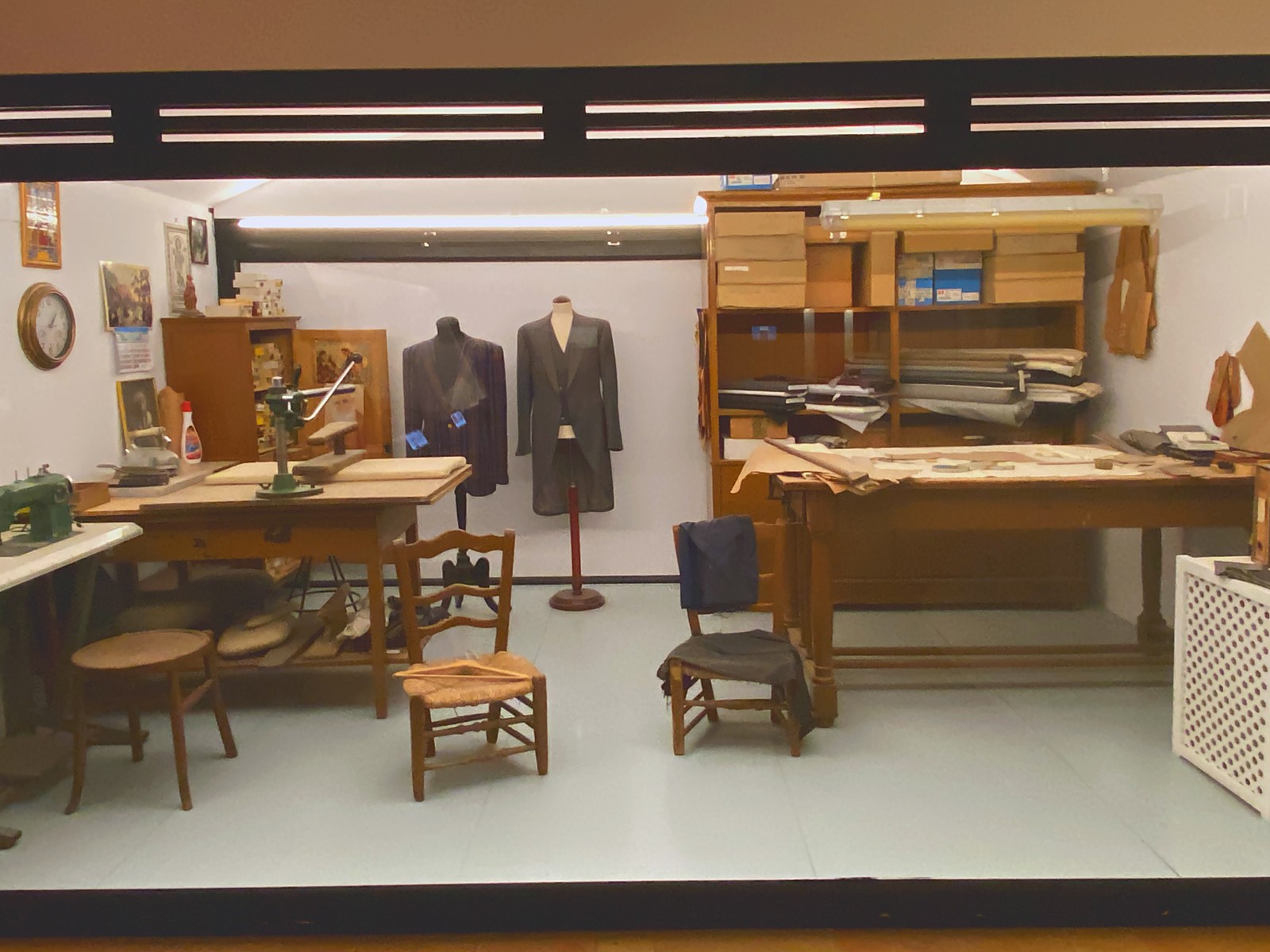
A recreated old workshop with a wooden workbench and tools behind glass.
A recreated workshop in the museum.
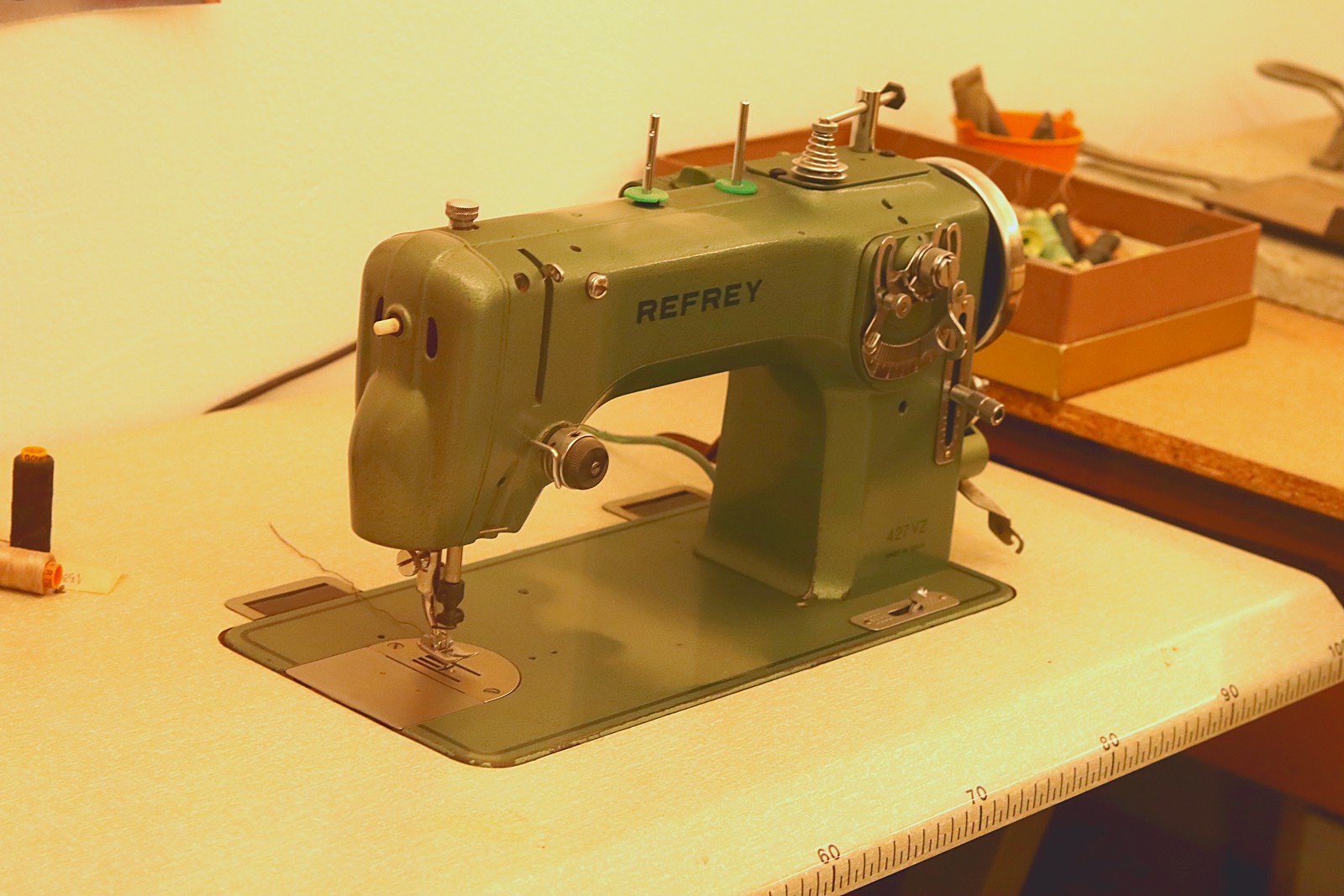
An old green sewing machine on a table.
An old sewing machine.
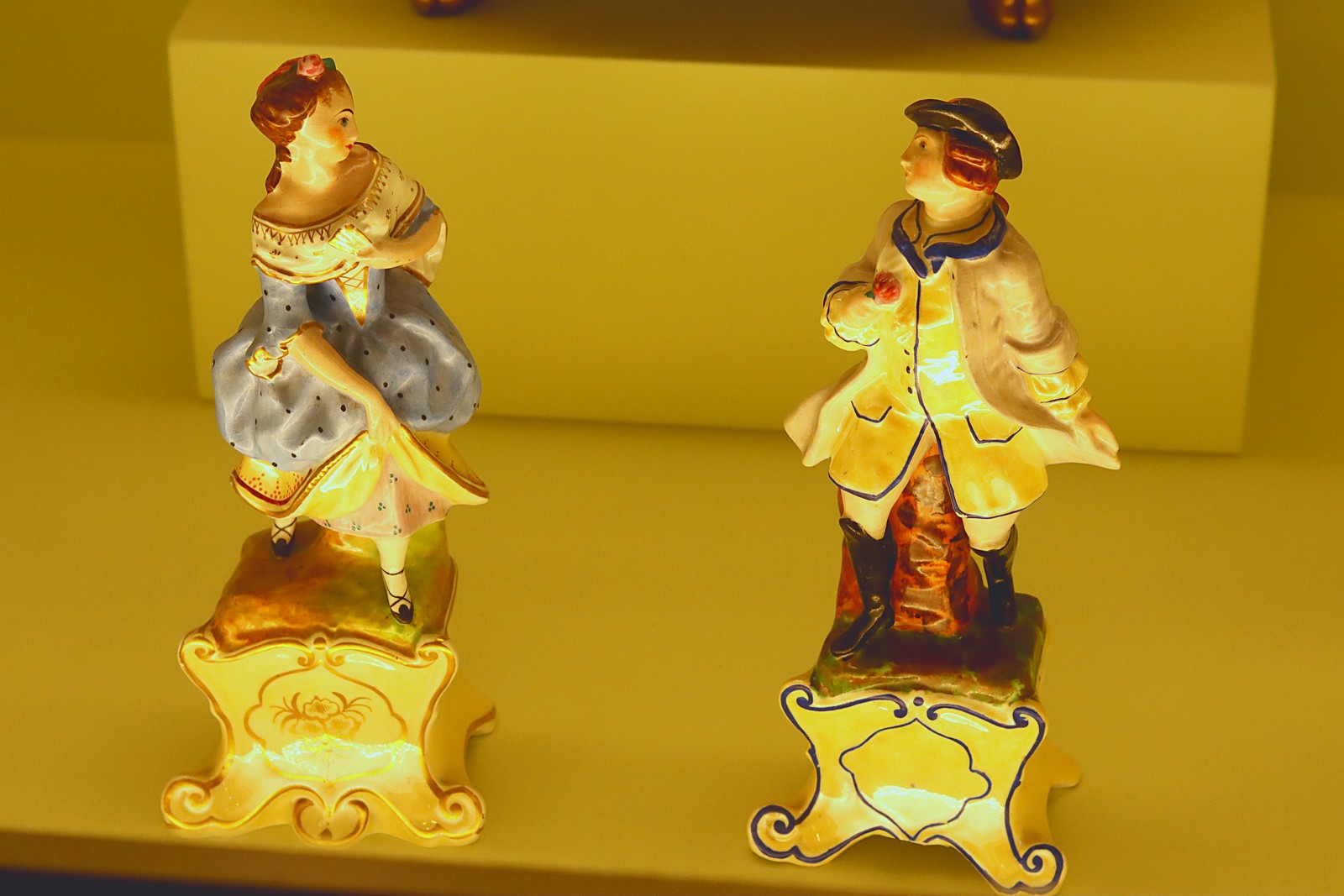
Two painted porcelain figures in eighteenth-century dress.
Porcelain figures.
A blue and yellow glazed tile panel in a display case.
Glazed tiles from Seville’s potteries.
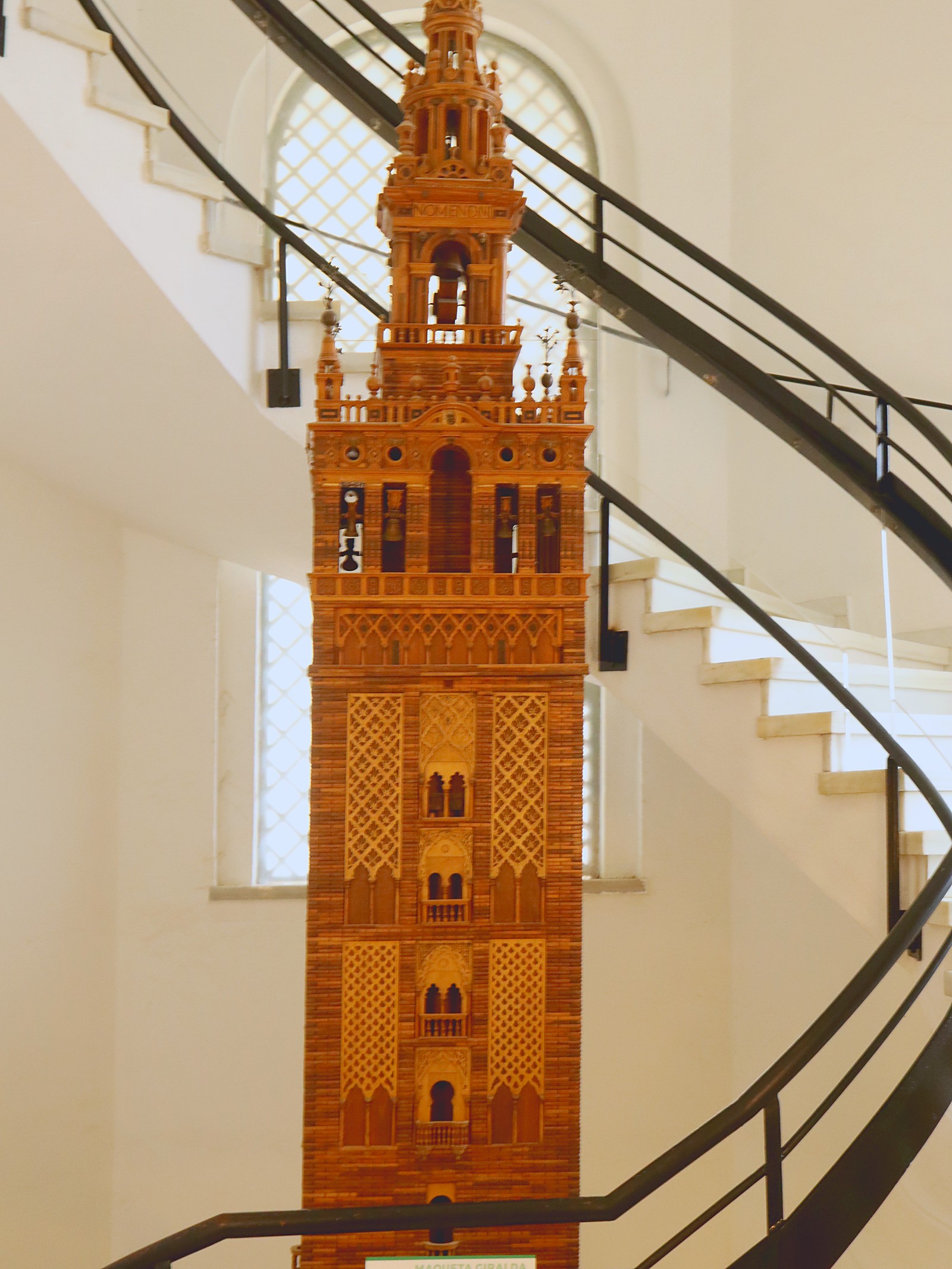
A tall model of the Giralda tower beside a spiral staircase.
A model of the Giralda.

The park and the museum are a short walk from the Plaza de España.

Further reading

← BlogAll of SevilleAll of Spain