Plaza de España
- When
- Stops3
- Between them900 m
- Photos12
Where this post goes
The Plaza de España is south of the old town, past the university and through the Parque de María Luisa.
Both were laid out for the Ibero-American Exposition of 1929. The Plaza de España was designed by the Sevillian architect Aníbal González. It is a huge half circle of brick and tiled buildings around a square, with a canal running along the curve.
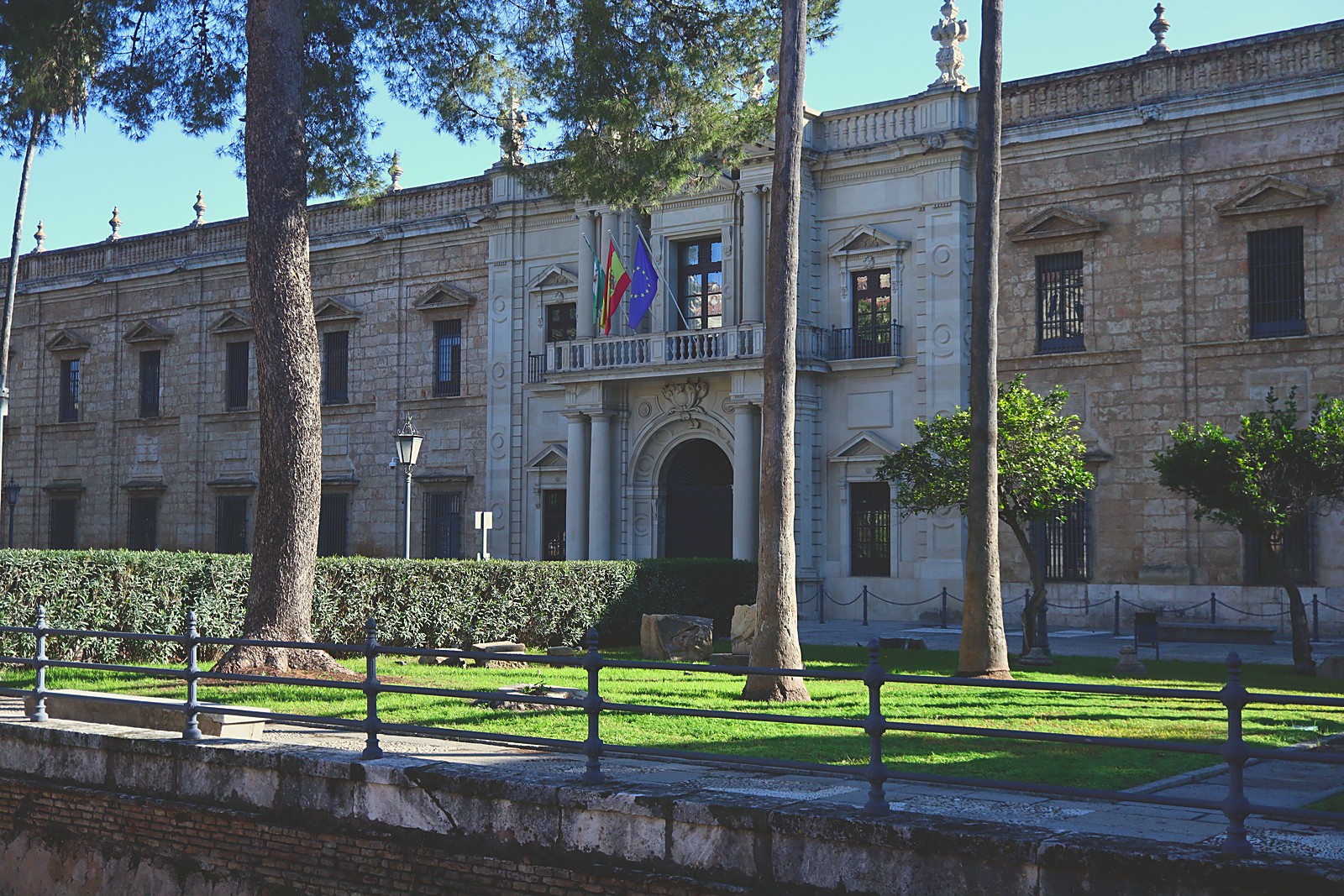
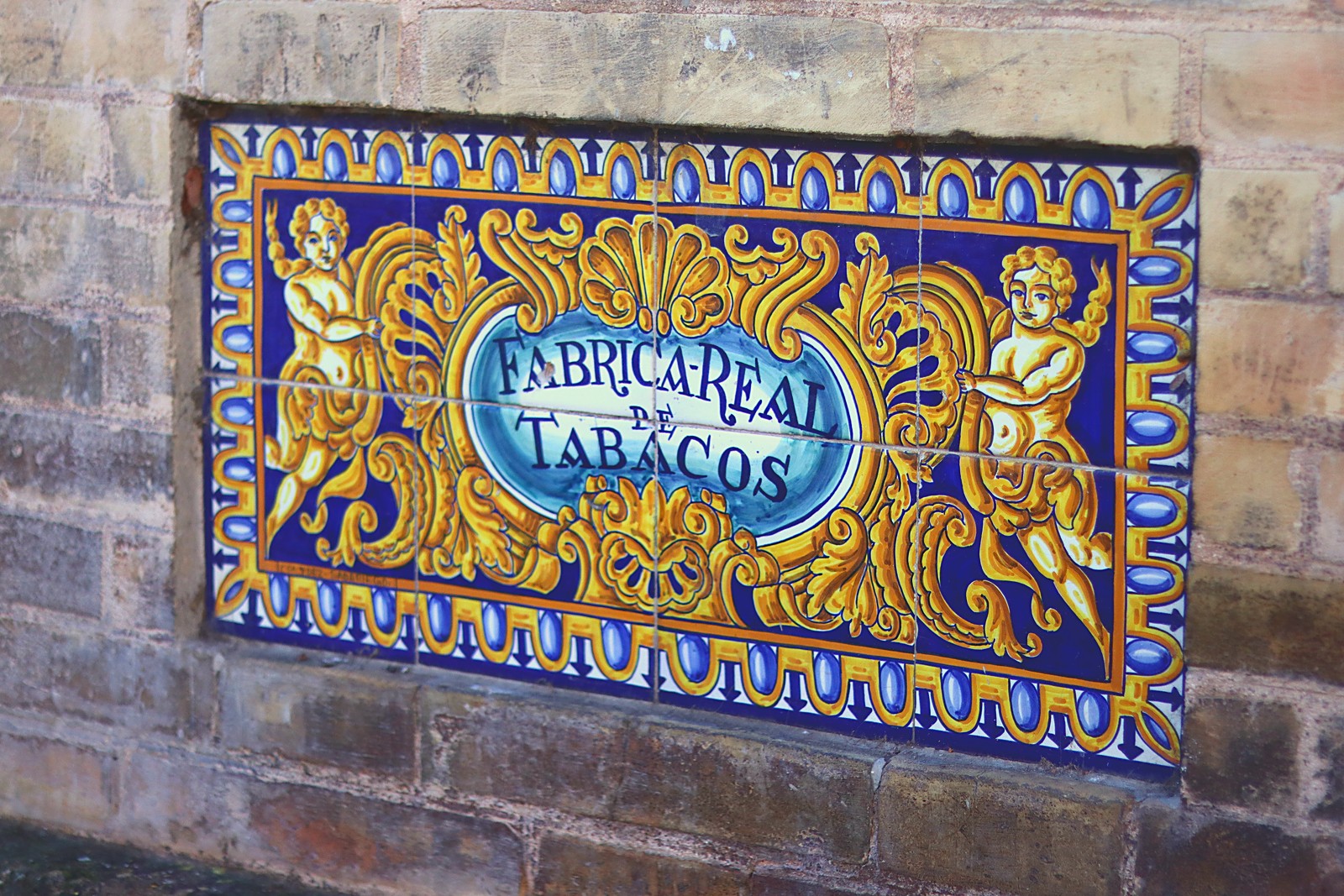
On the way is the Royal Tobacco Factory, built in the eighteenth century. It is now part of the University of Seville, and it is where Bizet set the opera Carmen.
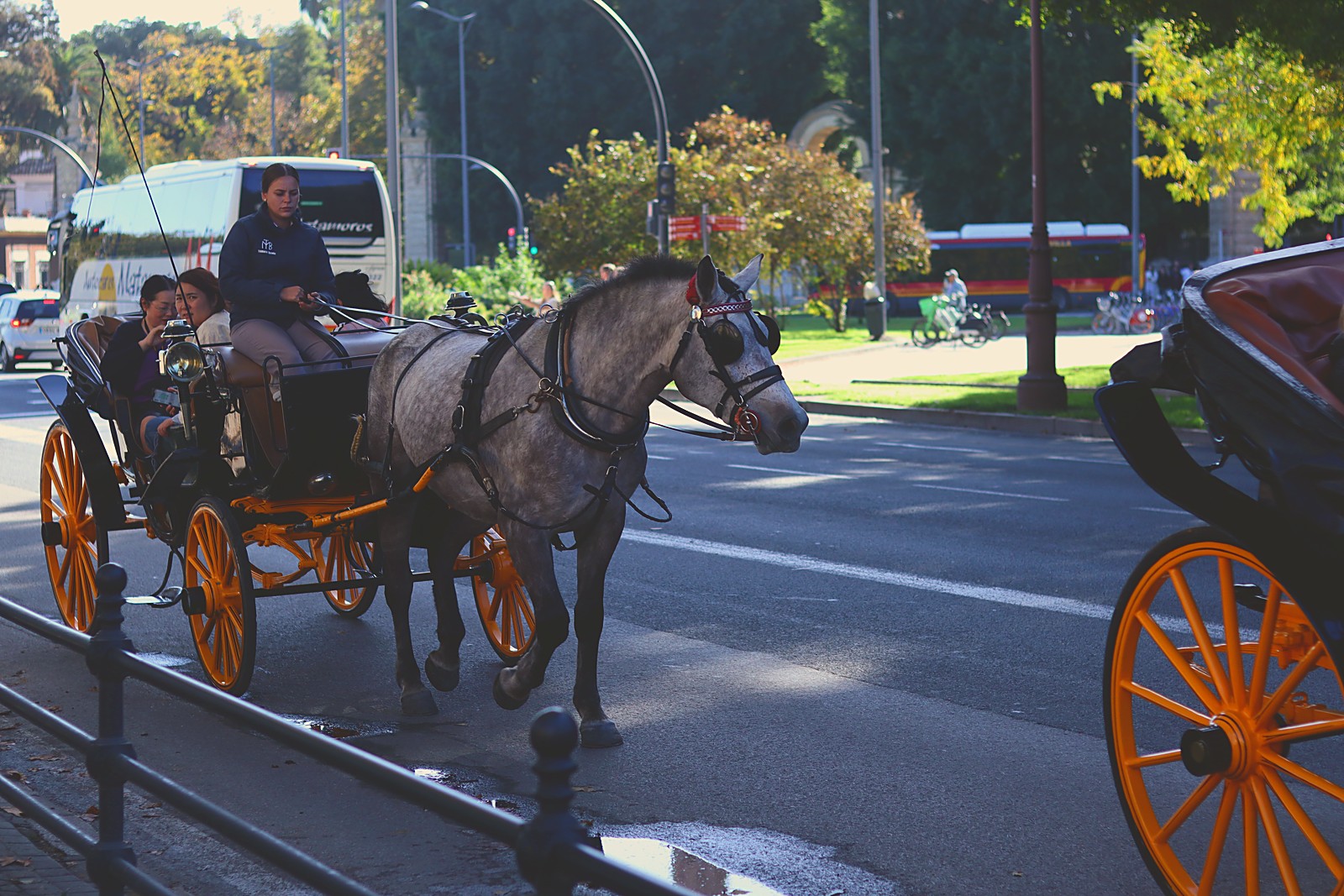
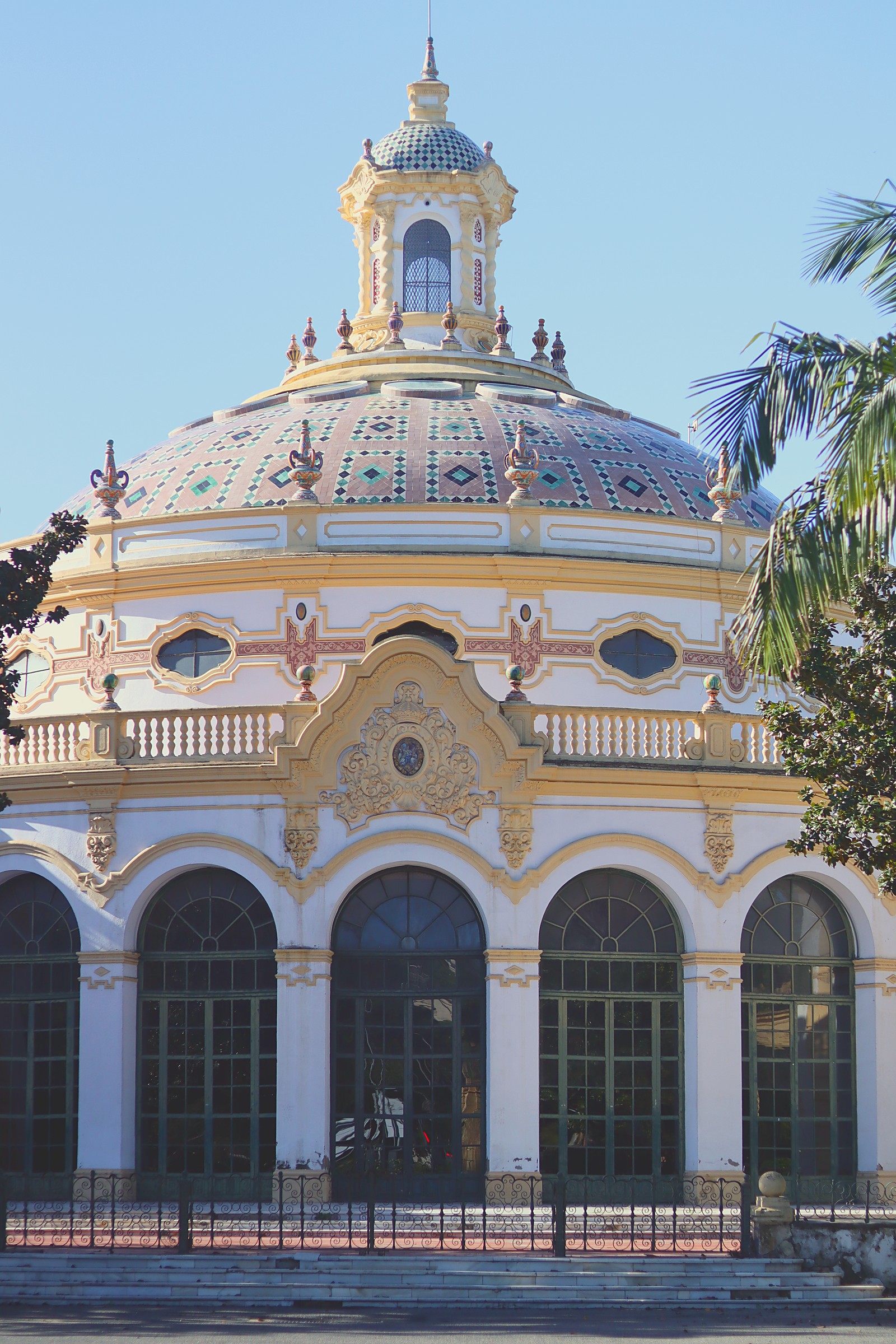
The Parque de María Luisa was land given to the city by Princess María Luisa in 1893. It was redesigned for the exposition and is still Seville's main park.
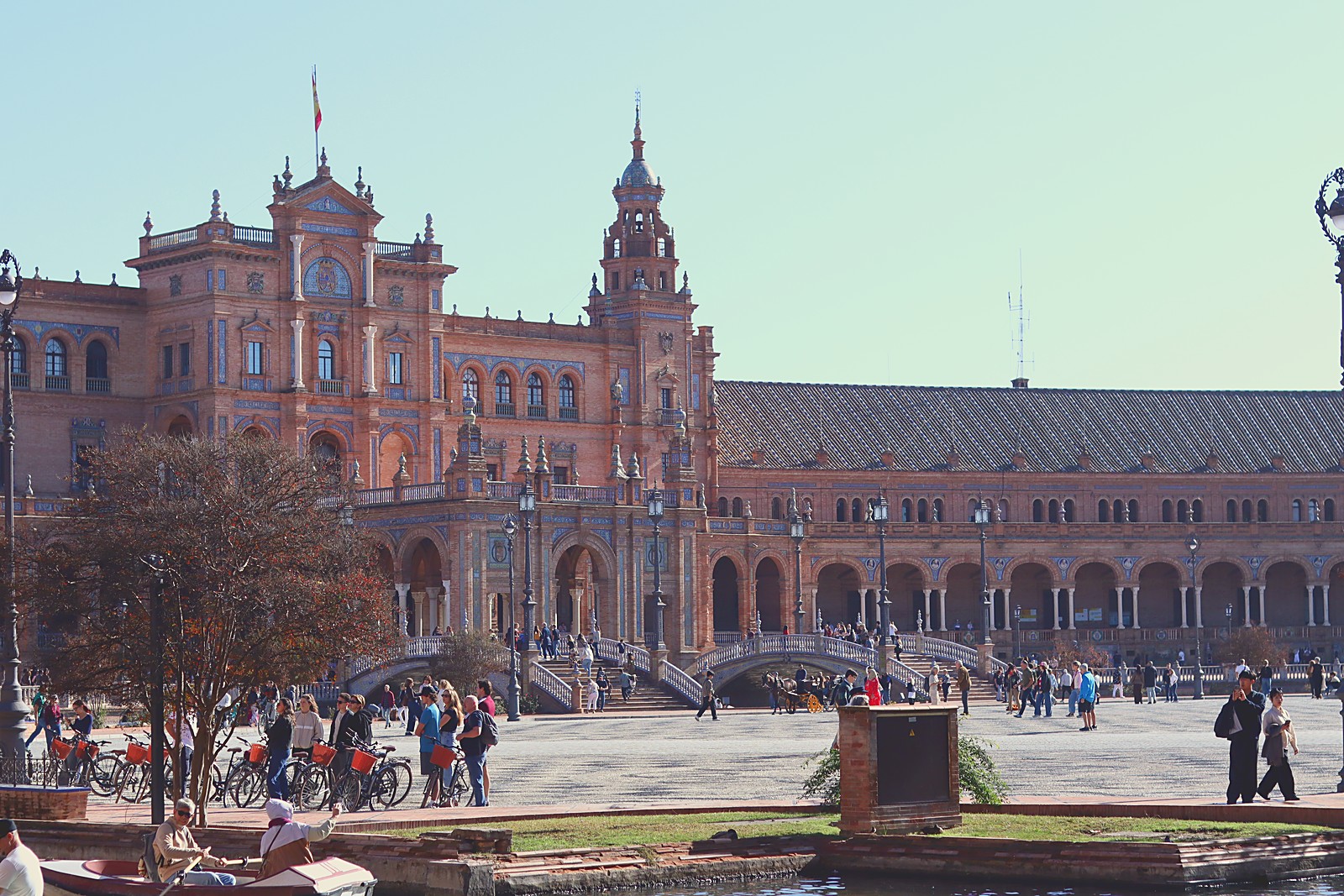
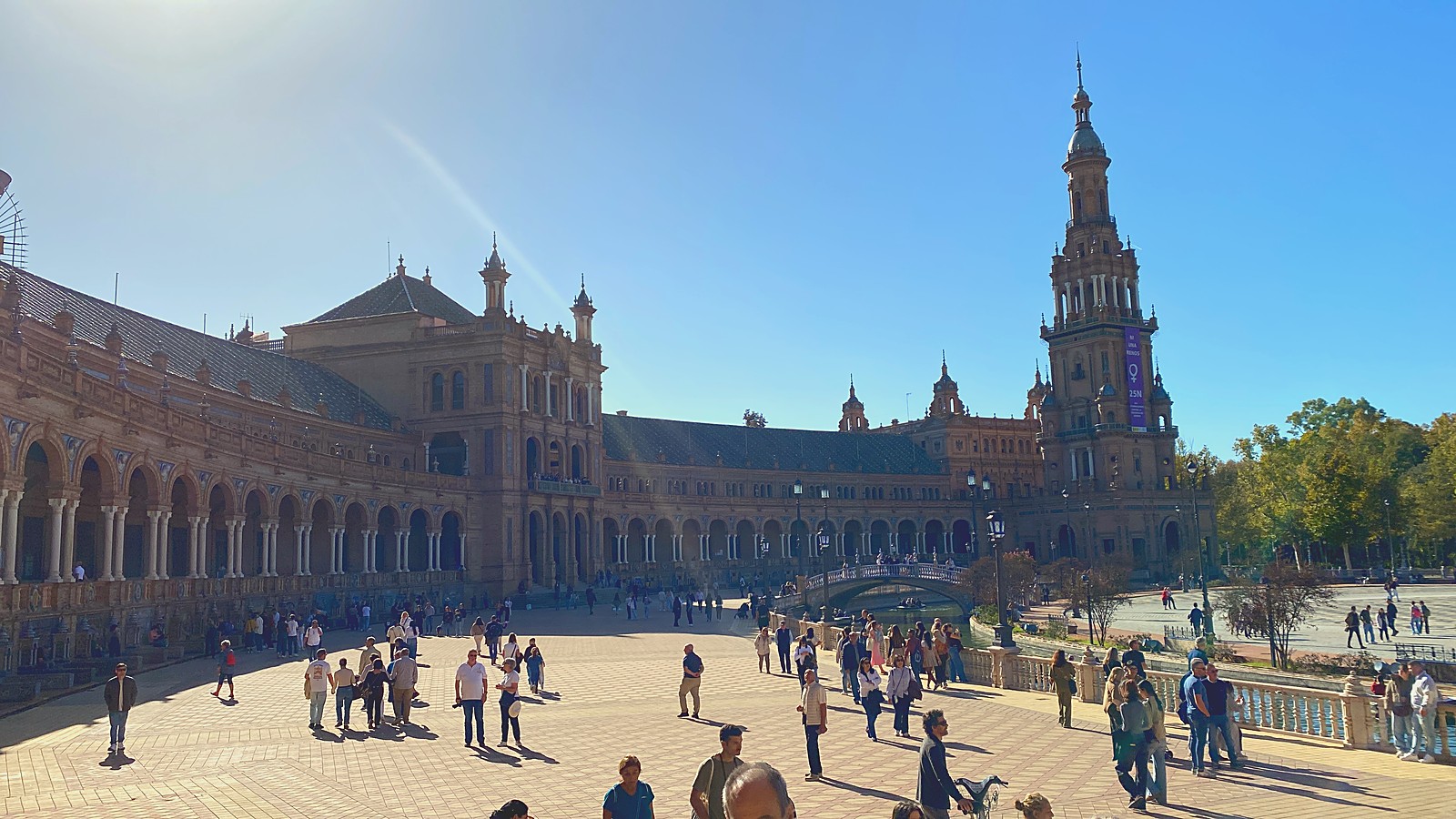
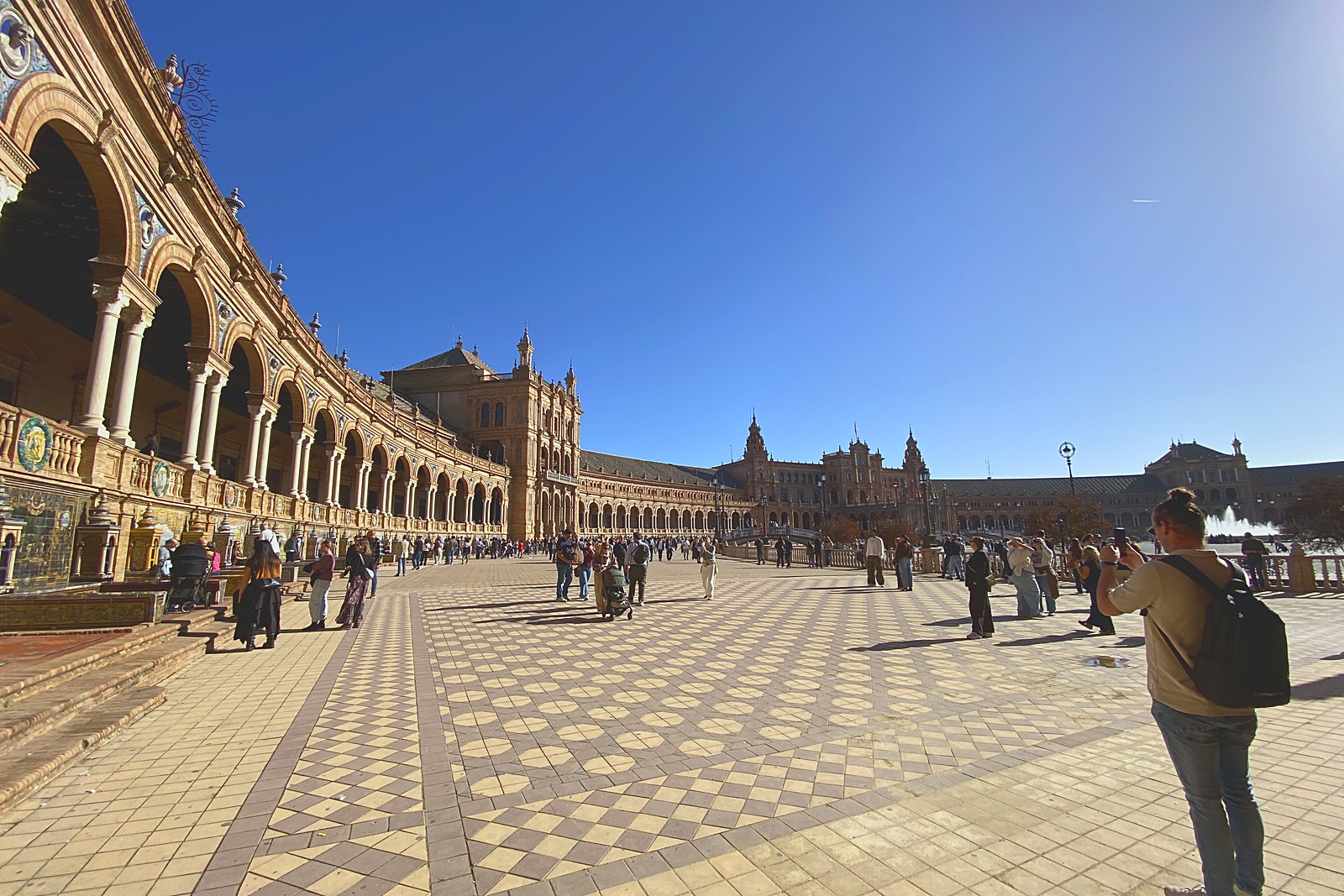
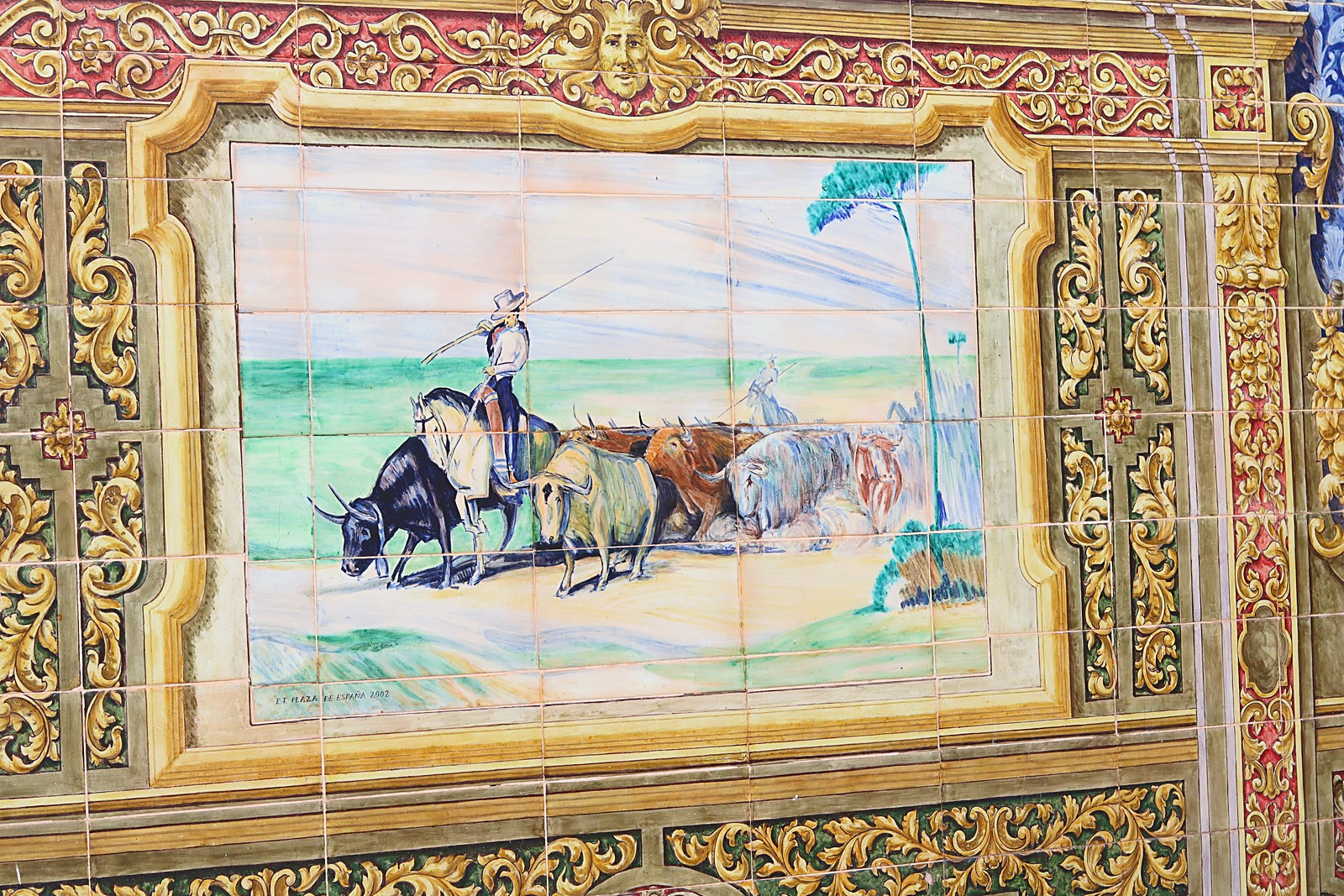
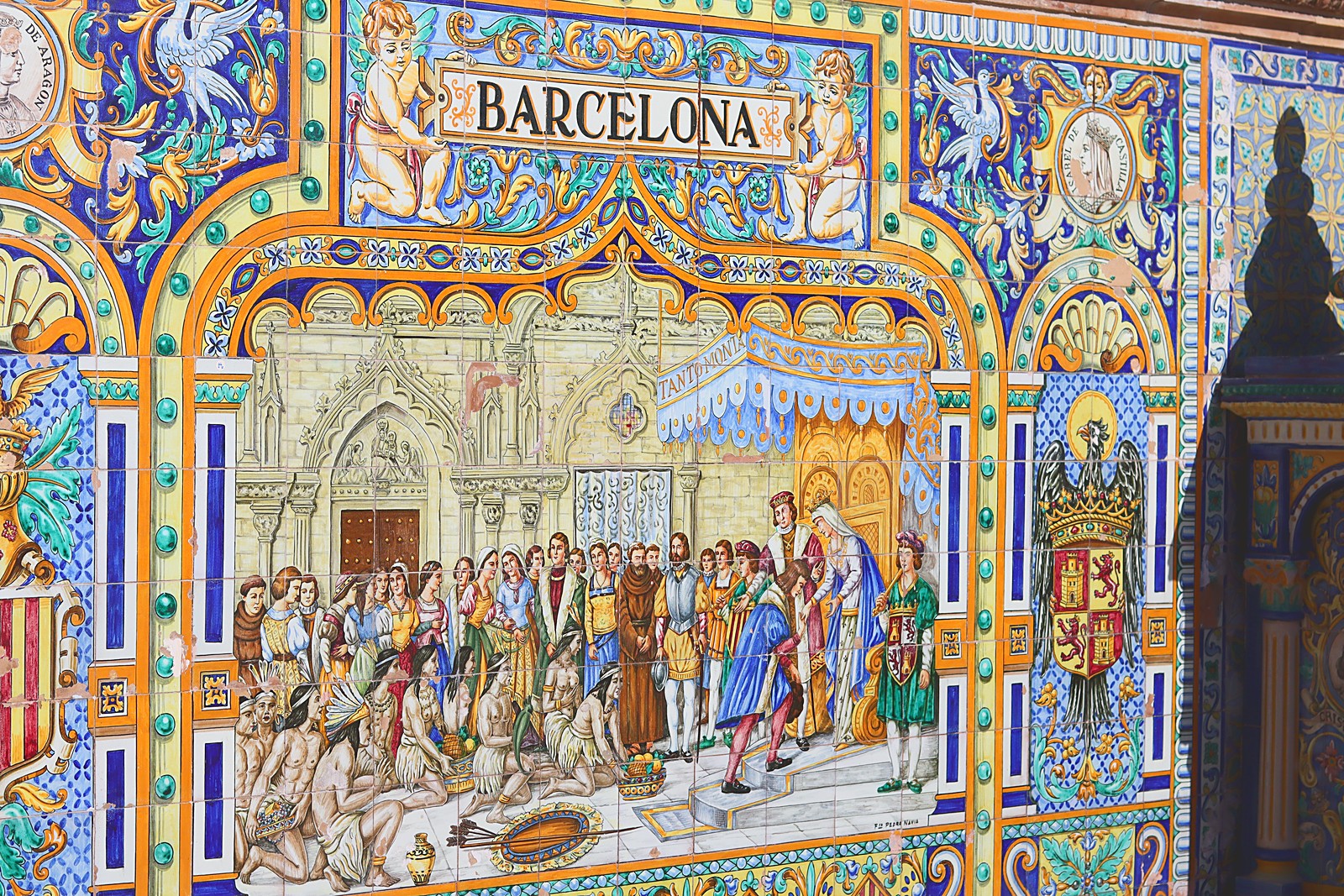
Along the bottom of the building is a row of alcoves, one for each province of Spain, each with a tiled bench, a painted tile map and a scene from that province's history.
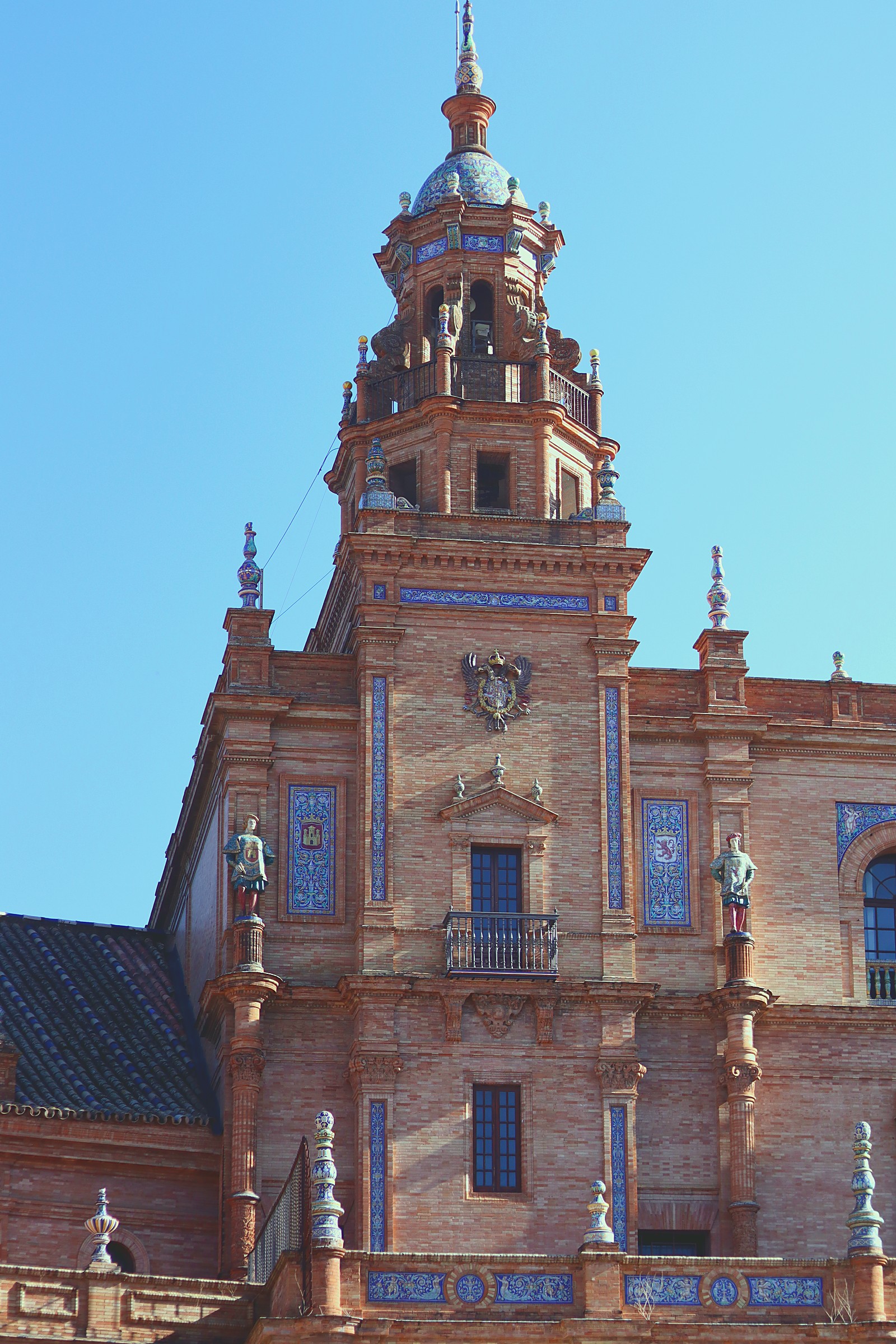
The four bridges over the canal stand for the old kingdoms of Spain. The plaza has been used as a film set, most famously in Star Wars: Attack of the Clones, where it was part of the planet Naboo, and in Lawrence of Arabia.
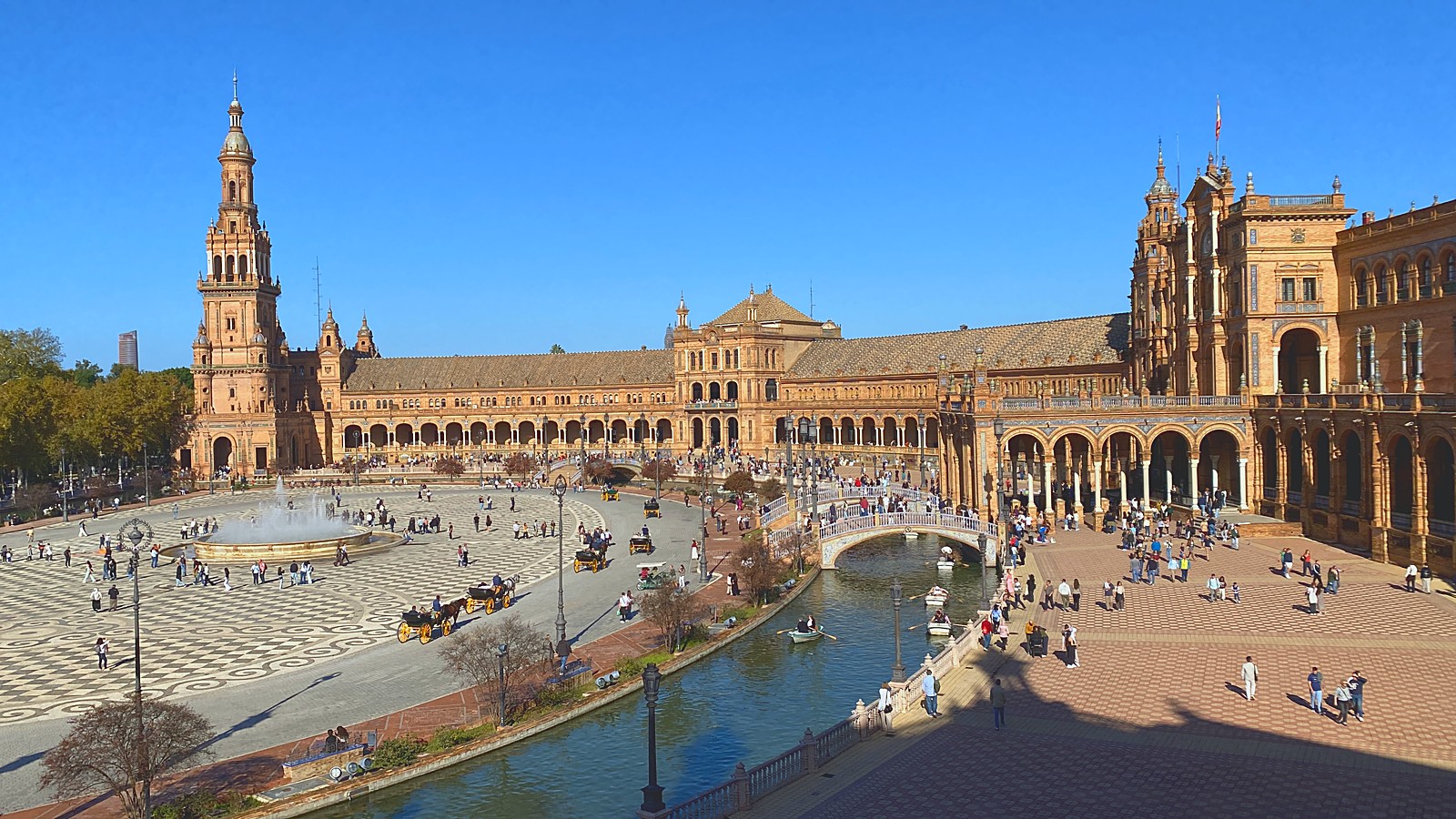
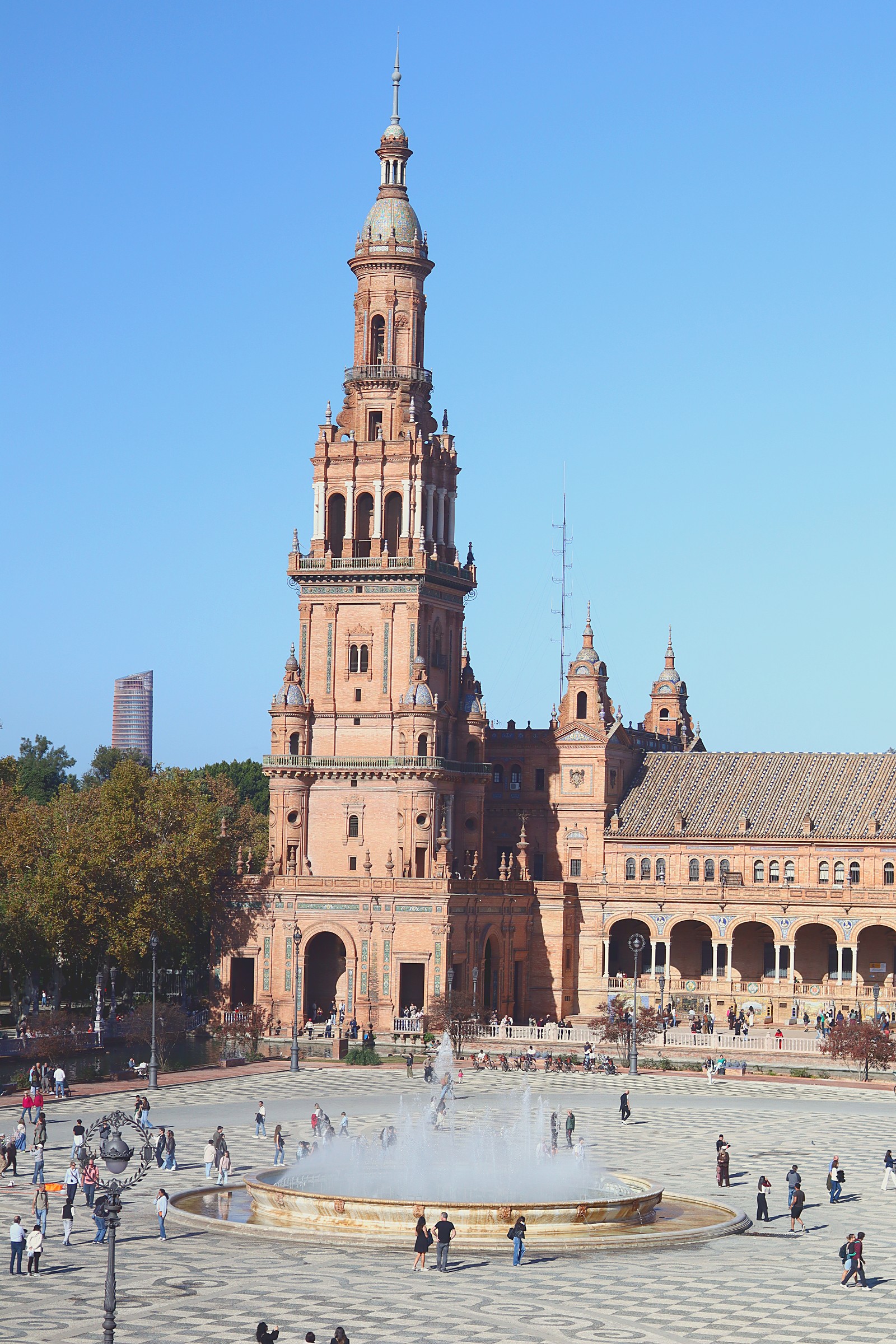
The plaza is free to visit. It is a 20-minute walk from the cathedral, through the park.
Further reading
- Plaza de España, Seville (Wikipedia) (opens in a new tab) Wikipedia
- Ibero-American Exposition of 1929 (Wikipedia) (opens in a new tab) Wikipedia
- Aníbal González (Wikipedia) (opens in a new tab) Wikipedia
- Maria Luisa Park (Wikipedia) (opens in a new tab) Wikipedia
- Royal Tobacco Factory (Wikipedia) (opens in a new tab) Wikipedia
- Flamenco (Wikipedia) (opens in a new tab) Wikipedia