Spain Carmona

The Roman necropolis of Carmona

  • When
  • WhereRoman necropolis of Carmona
  • Photos13
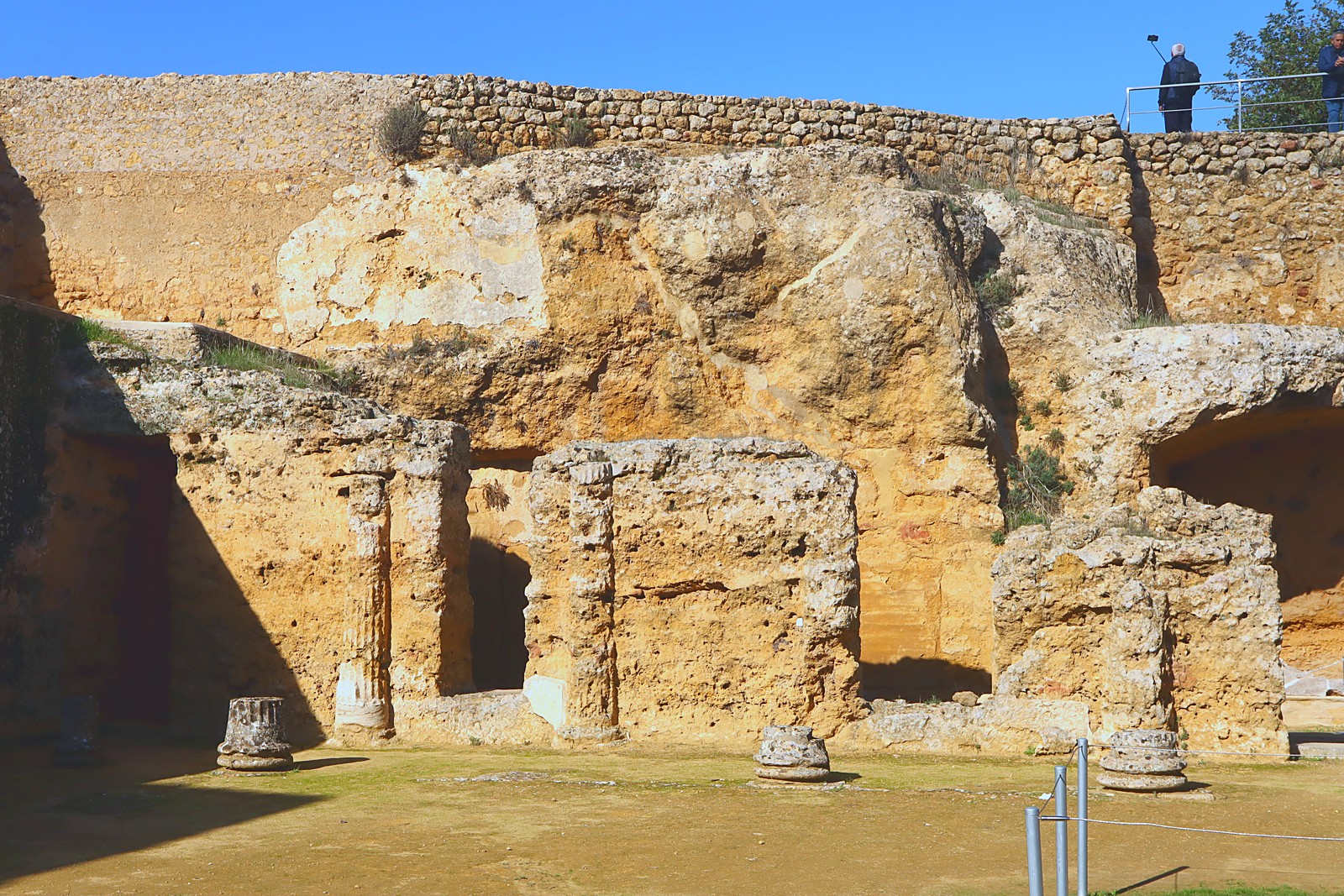
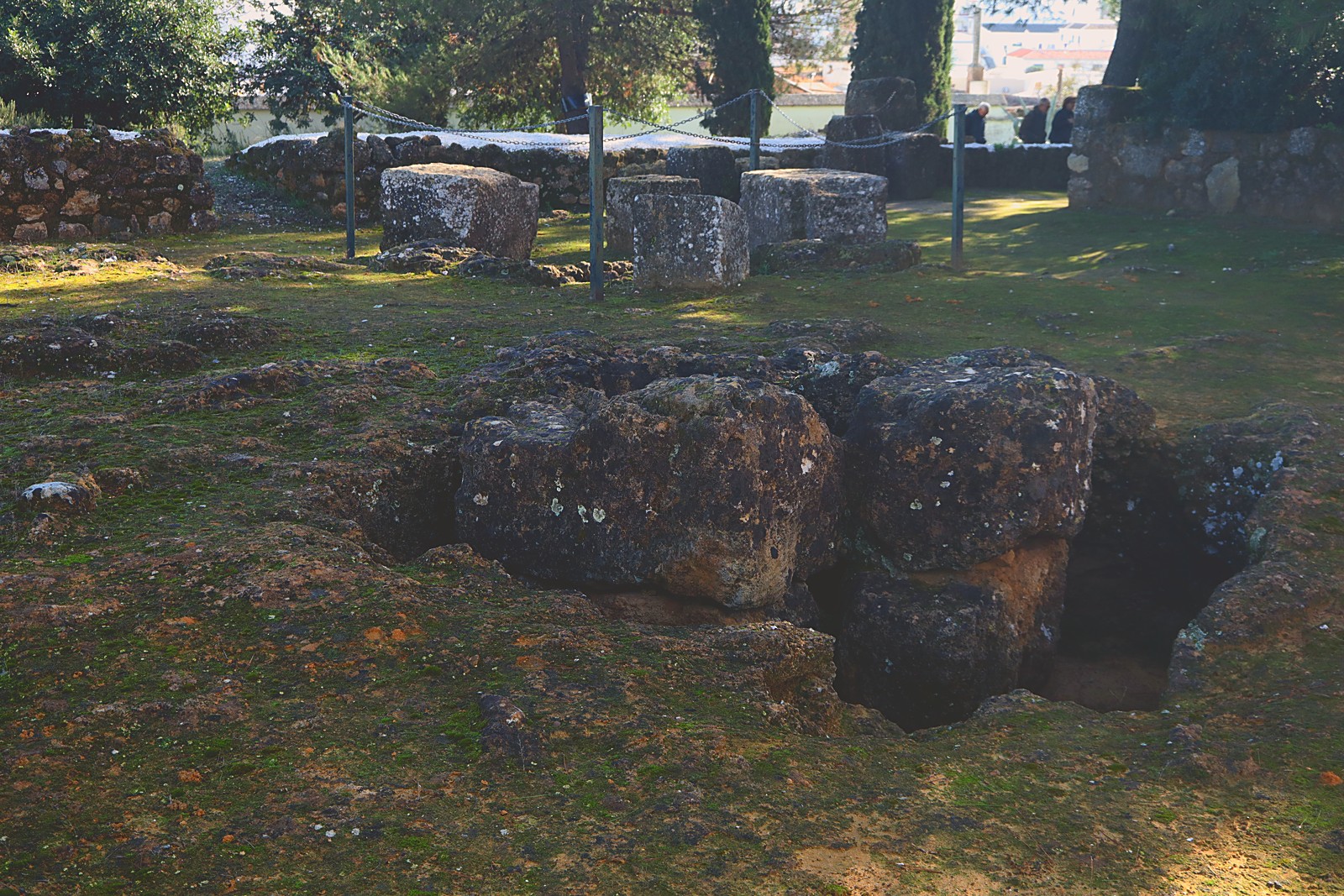
Roman necropolis of Carmona: rock-cut chambers and the remains of a colonnade in a sunken courtyard.
The Tomb of Servilia, laid out like a Roman house around a courtyard.

Where it is

  1. Roman necropolis of Carmona (Wikipedia, opens in a new tab) See the photo ↓ Open in OpenStreetMap (opens in a new tab)

Carmona is a hill town about 30 kilometres east of Seville. The Romans called it Carmo, and its main Roman cemetery lies on the western edge of the town.

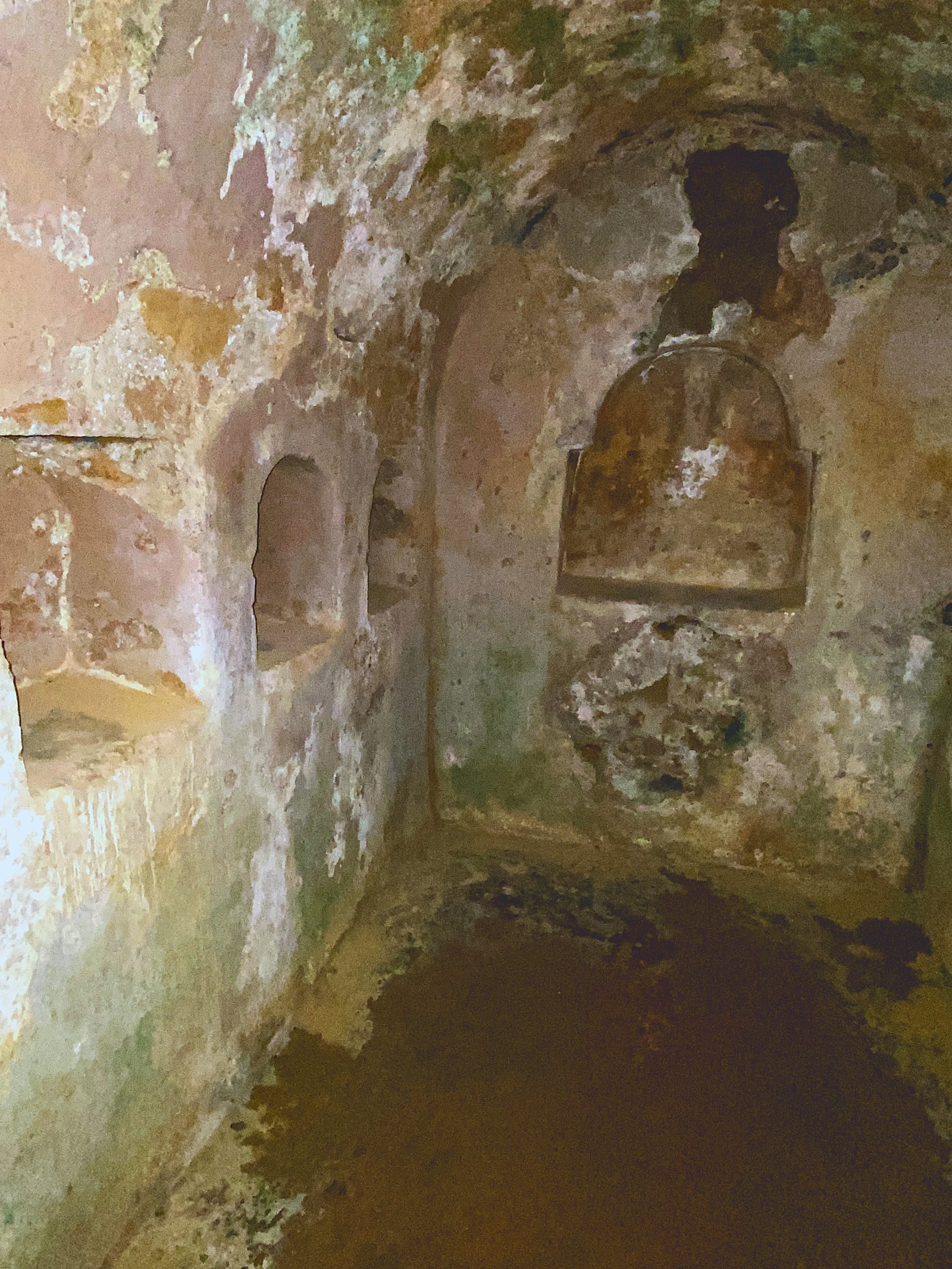
The necropolis was used from around the first century BC. Most of the hundreds of tombs are family chambers cut into the rock, where the ashes of the dead were kept in urns set into niches. The site was excavated from the late nineteenth century and now has a small museum.

The largest tomb on the site is the Tomb of Servilia, named after the woman thought to be buried there. It copies a Roman house: a courtyard with columns, rooms cut into the rock around it, and a basin for rainwater.
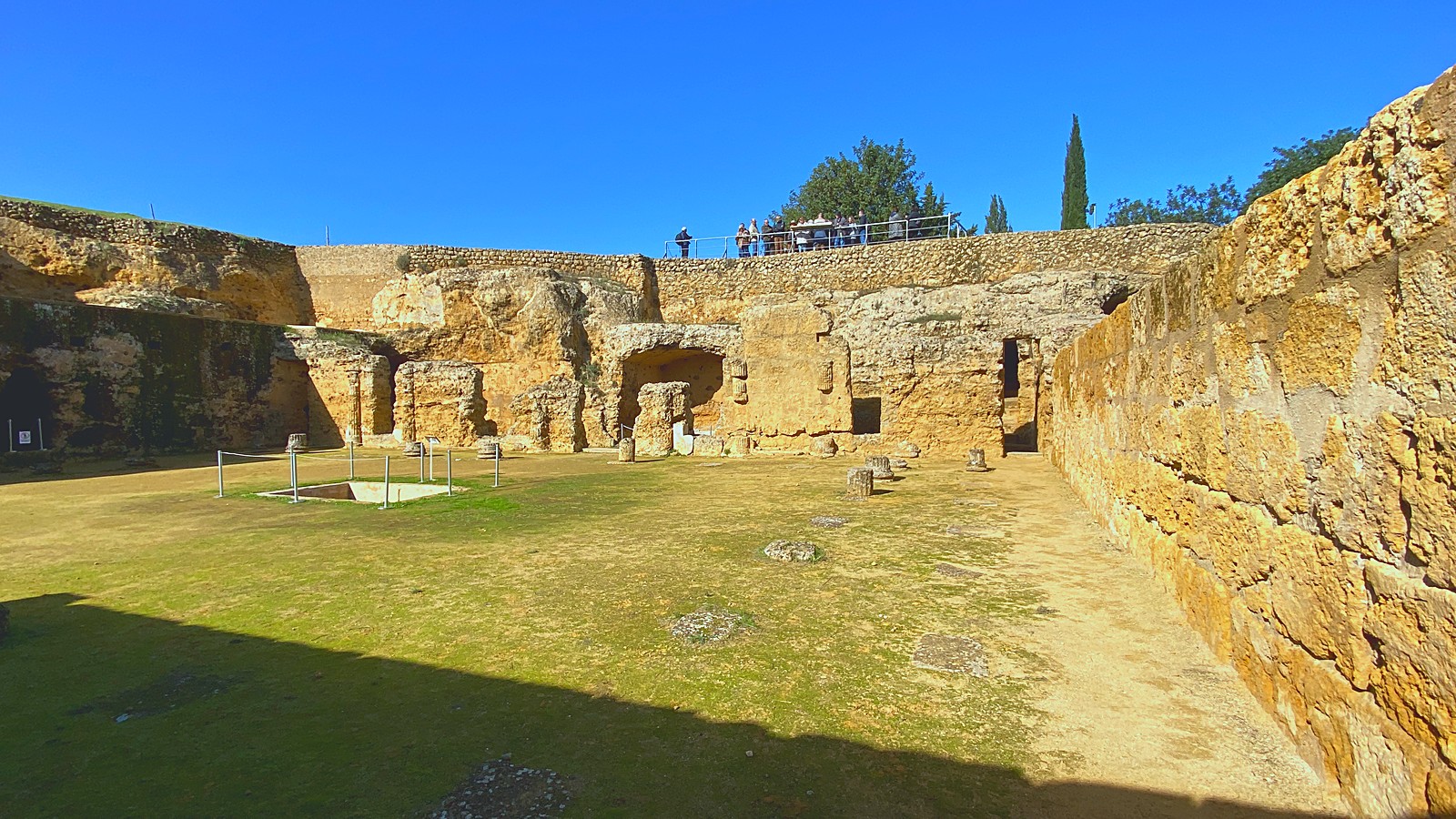
The whole courtyard of the Tomb of Servilia, cut into the rock, with a lawn in the middle.
The Tomb of Servilia from its far side.
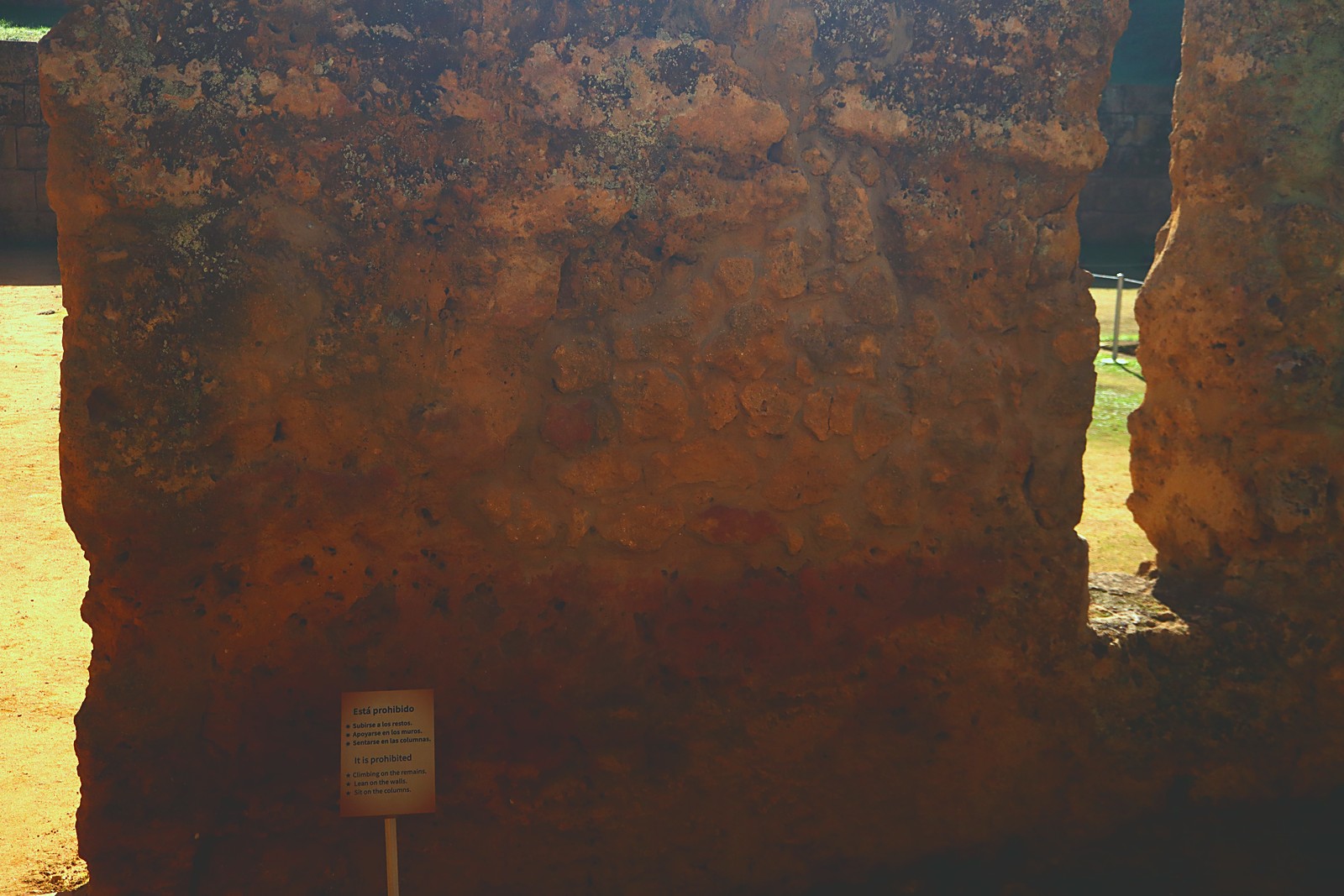
Roman necropolis of Carmona: a tall wall of cut stone blocks with a gap leading through.
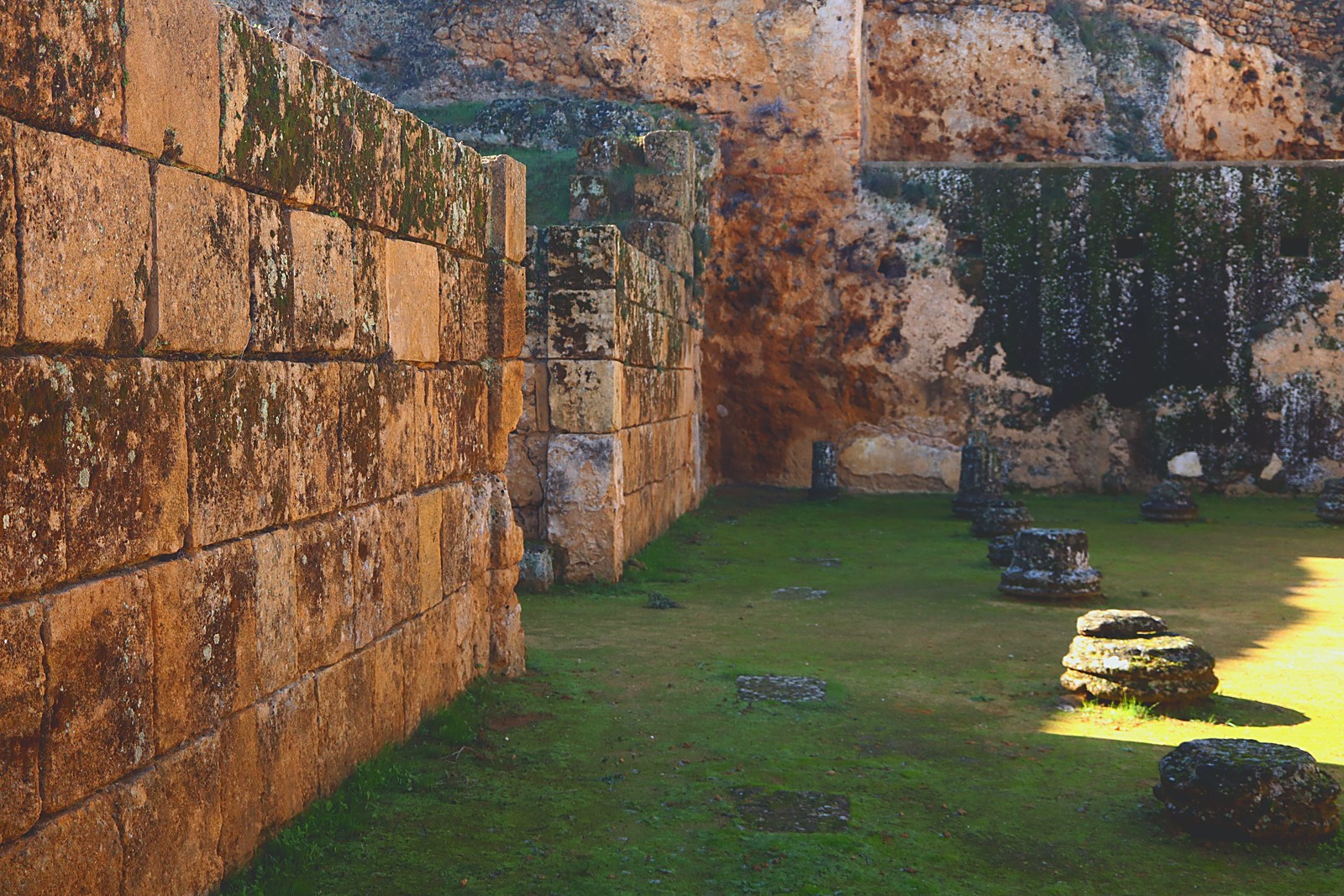
The cut-stone walls of the tomb.
Roman necropolis of Carmona: a long wall of large stone blocks beside a grassy courtyard with column bases.
The courtyard, with the bases of its columns still in place.
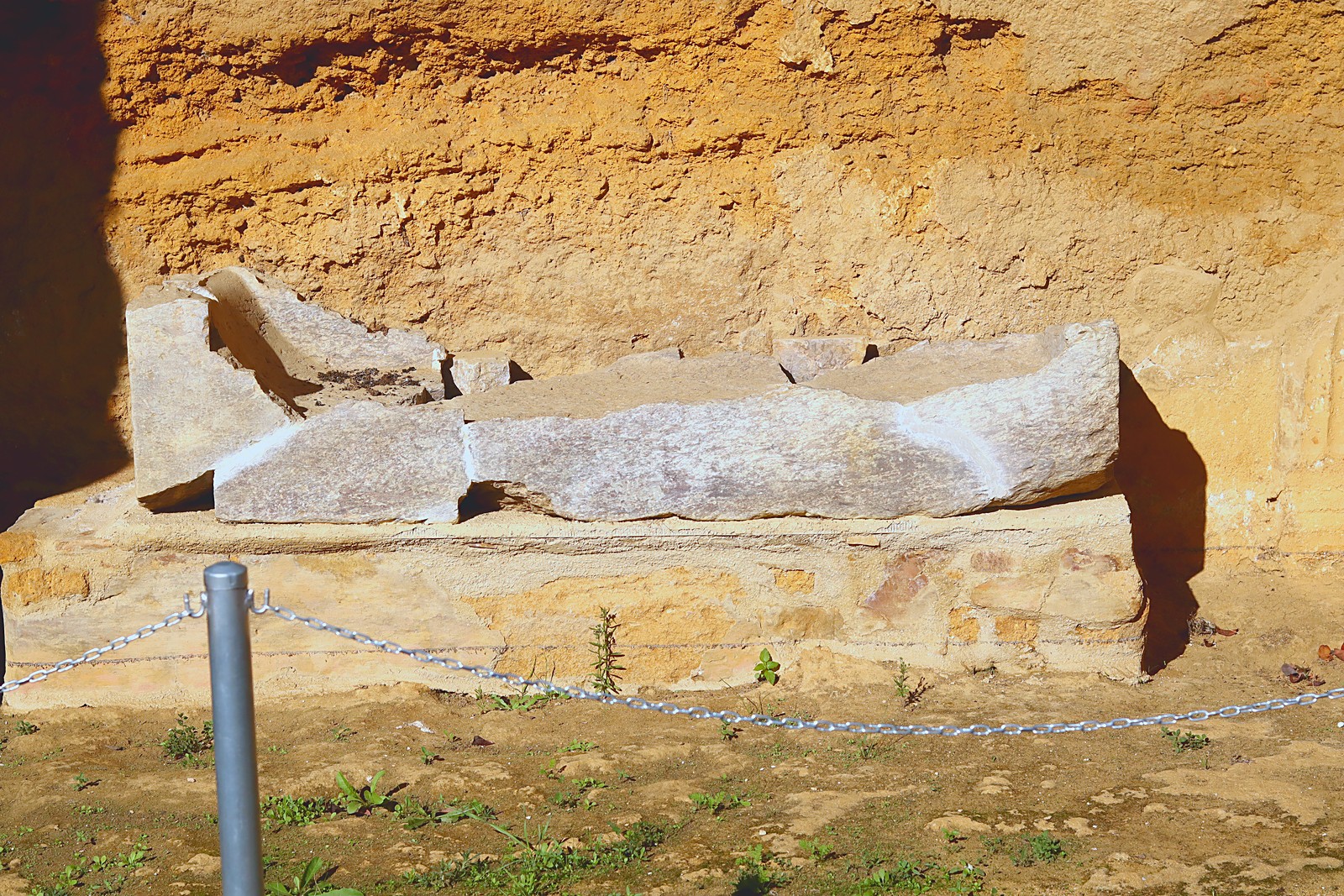
Roman necropolis of Carmona: a stone sarcophagus with a broken lid in a rock-cut recess.
A stone sarcophagus.

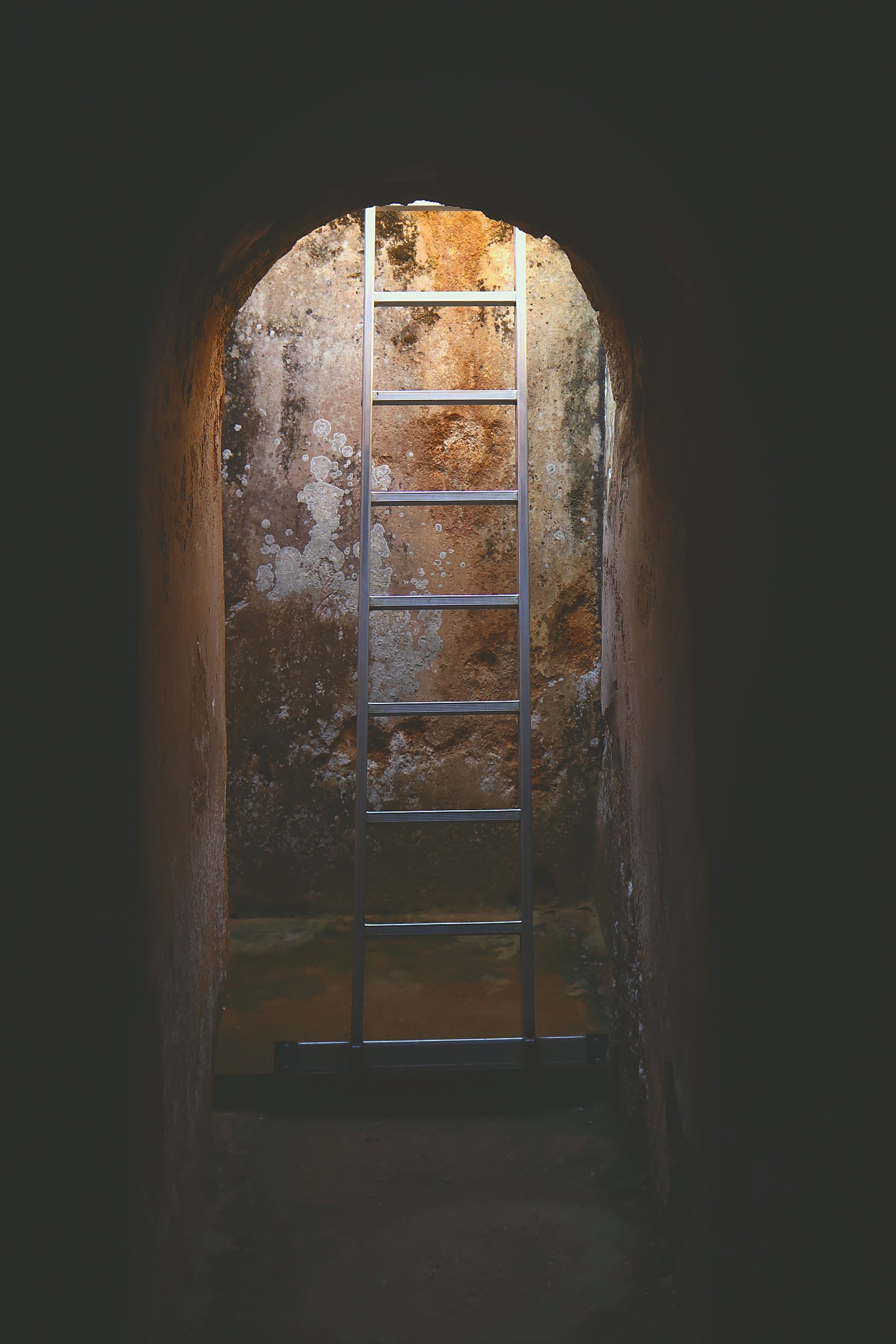
Most tombs are entered by a shaft with steps or a ladder, leading down to a chamber cut into the rock.
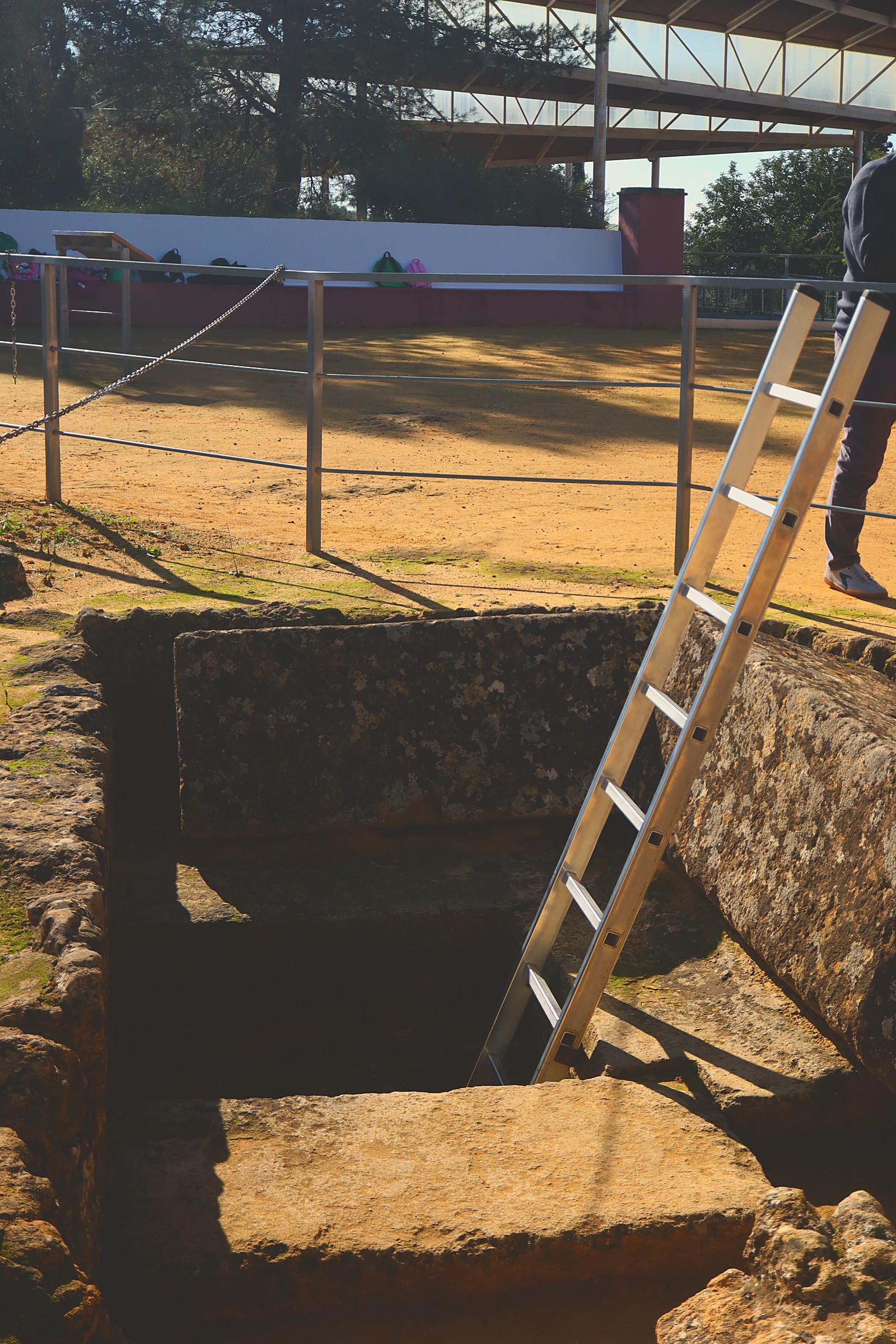
Roman necropolis of Carmona: a rectangular shaft cut into the rock with a metal ladder leading down.
The entrance shaft to a family tomb.
Roman necropolis of Carmona: a narrow dark passage with a ladder at the far end, lit from above.
Inside one of the chambers, looking back up the shaft.
Roman necropolis of Carmona: a burial chamber cut into rock, with small niches in the walls for urns.
Niches for funeral urns in a chamber wall.
Roman necropolis of Carmona: low stone blocks and shallow pits in grass among cypress trees.
Tombs scattered through the grass.
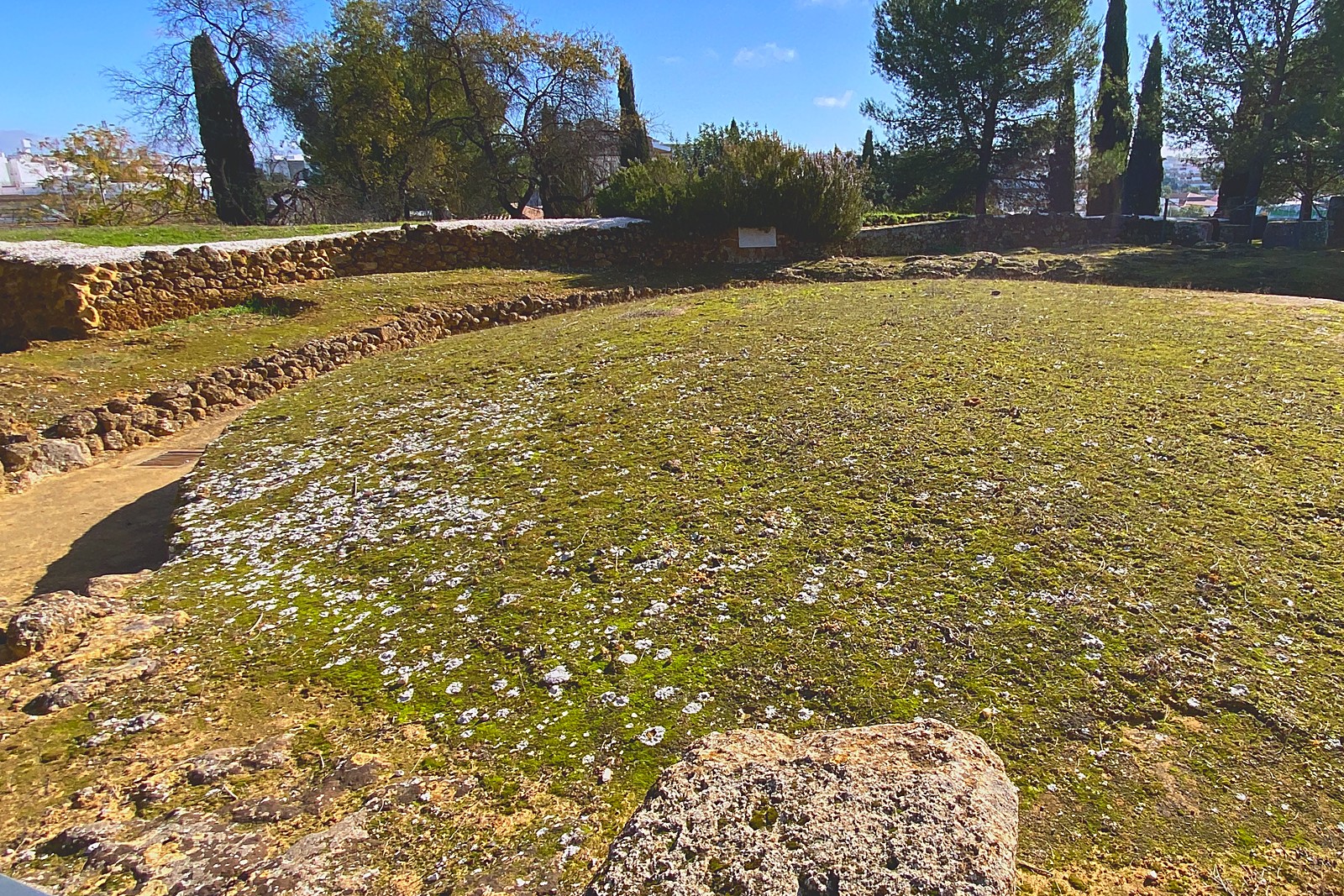
Roman necropolis of Carmona: a large round grassy burial mound edged with stone.
A round burial mound.
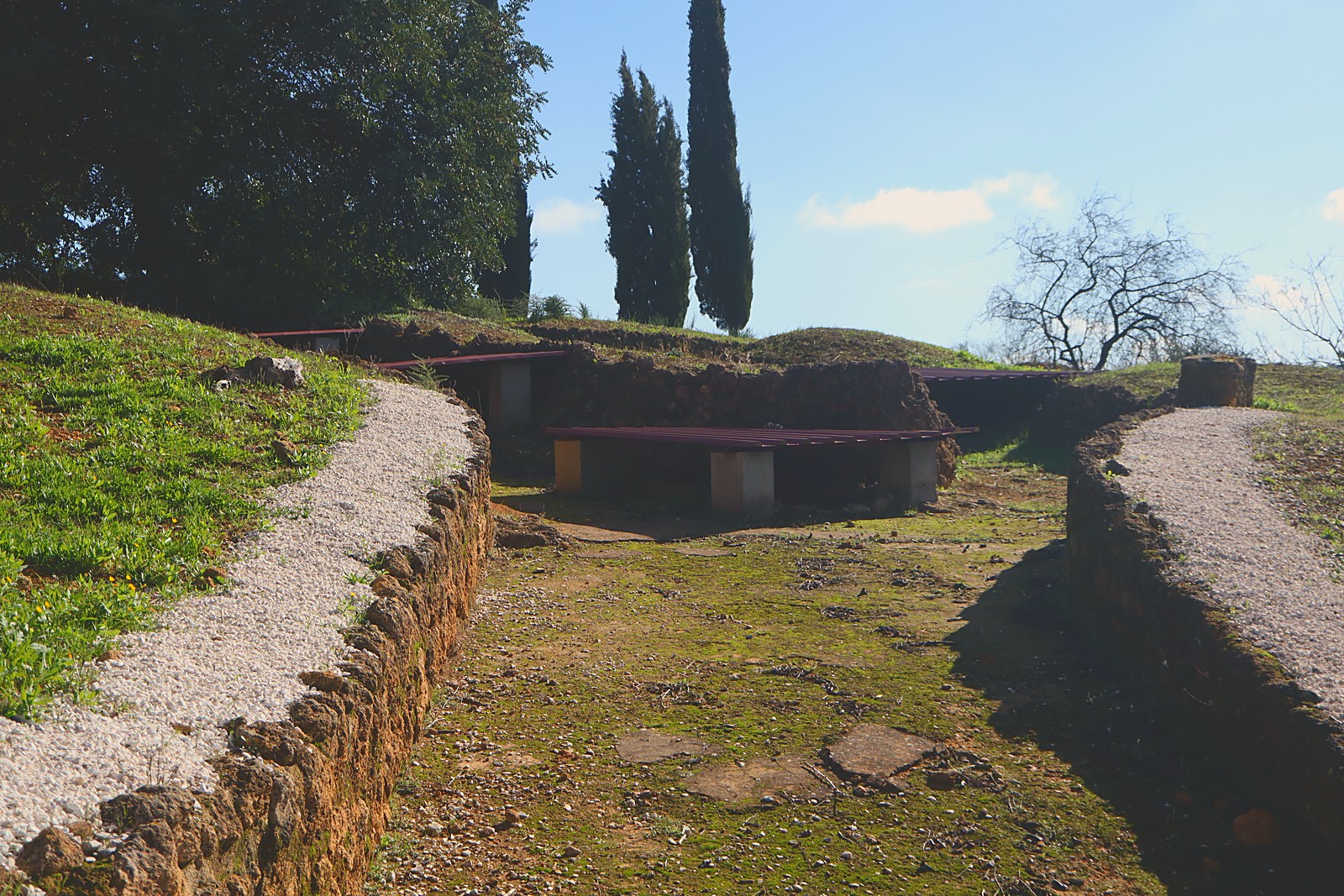
Roman necropolis of Carmona: a gravel path between low grassy mounds and a covered tomb.
Paths run between the tombs, some of which are covered.
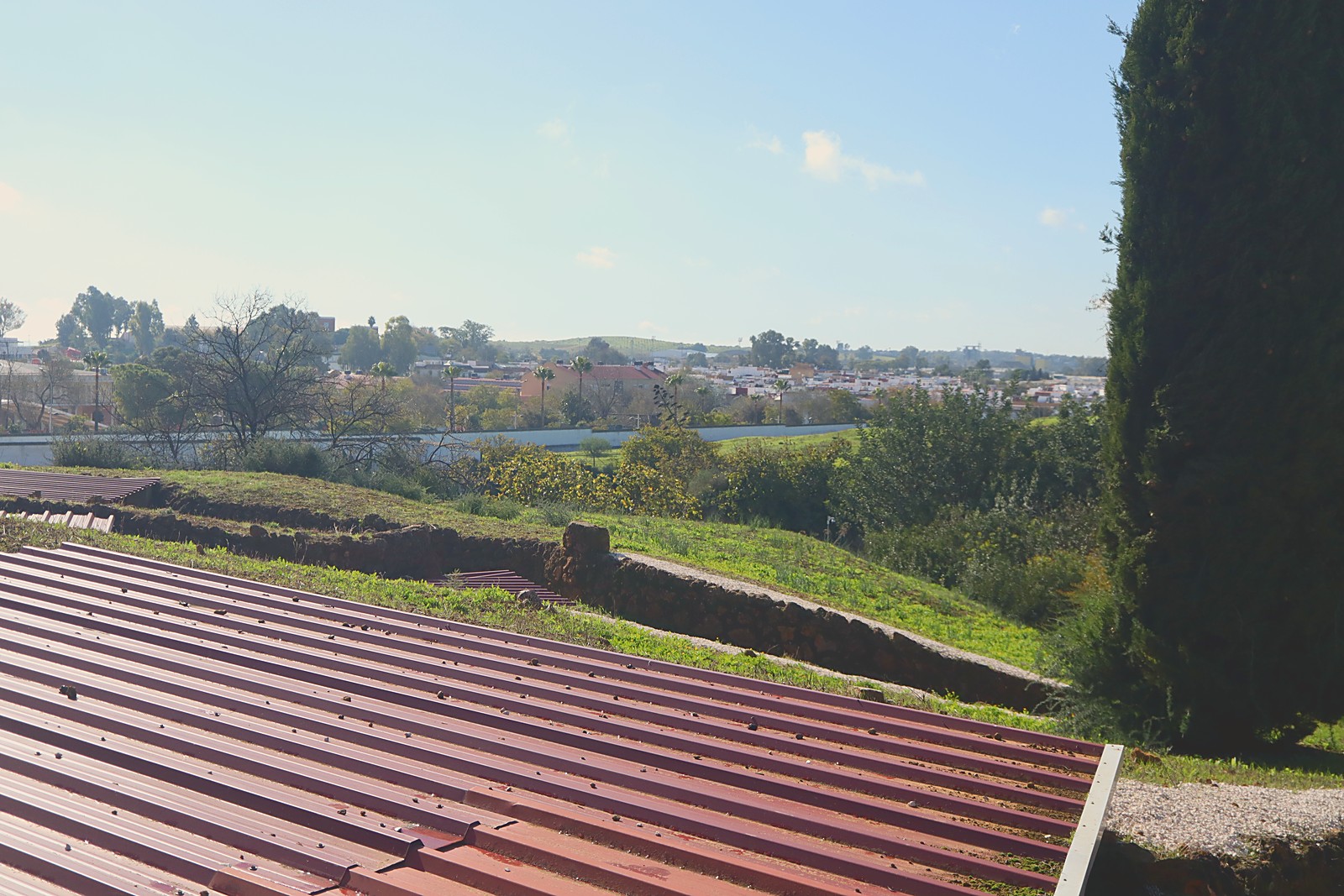
A view over shelter roofs and fields towards the plain below Carmona.
The site from its higher ground, looking west.

The museum keeps finds from the tombs: urns, glass, lamps and portrait heads.
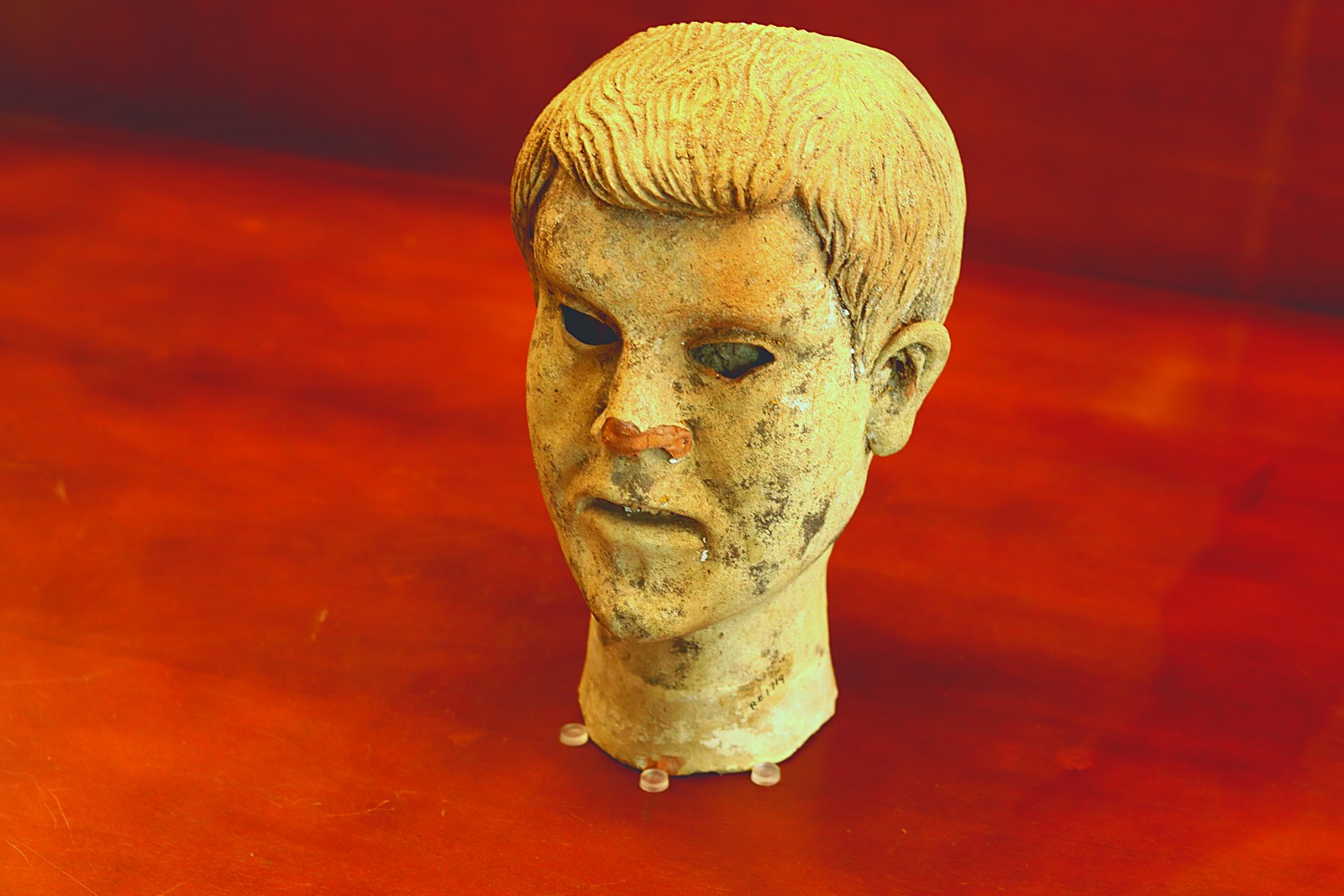
Roman necropolis of Carmona: a small marble head of a boy on a red background.
A marble portrait head in the site museum.

The necropolis is on the western edge of Carmona, a short walk from the old town and the Puerta de Sevilla.

Further reading

← BlogAll of CarmonaAll of Spain